The 16th edition of the Magical Kenya Travel Expo took place from October 6 to 8, 2026, at Uhuru Gardens in Nairobi, Kenya, hosting over 10,000 tourism delegates and industry professionals representing more than 40 countries. The event gathered 400 exhibitors and more than 250 international buyers as part of Kenya’s strategy to reach five million international tourist arrivals annually by 2027.
Digital Transformation and Sustainable Tourism Focus
The expo’s central theme was advancing digital transformation in the tourism sector through artificial intelligence and big data integration. Efforts included improving mobile payment platforms and digital booking channels to create a seamless visitor experience. Kenya aims to
develop smart destination systems that analyze visitor behavior and provide personalized travel itineraries. Sustainable tourism also featured prominently, with emphasis on eco-lodges and low-impact travel aligned with global market trends. The Ministry of Tourism highlighted growth in the MICE (Meetings, Incentives, Conferences and Exhibitions) sector as critical to attracting high-value business travelers.
Business Networking and Leisure Tourism linkage
The expo utilized a business-to-business meeting format enabling direct contracts between Kenyan suppliers and international travel agents. Over 250 hosted buyers took part in familiarization tours across key Kenyan parks and resorts to deepen product knowledge and foster partnerships. Kenya’s strategy connects the MICE sector’s corporate visitors with
leisure tourism by packaging business trips with safaris and coastal vacations, enhancing visitor spending and length of stay.
Economic Impact on Nairobi’s Hospitality and Transit Industry
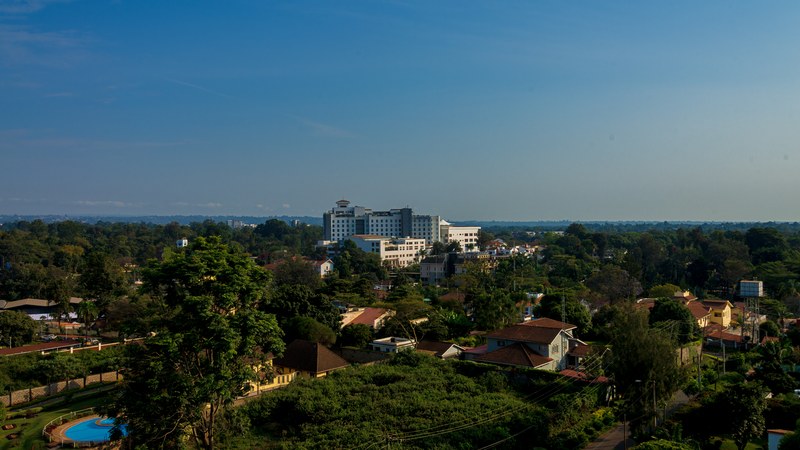
Hosting thousands of delegates supported Nairobi’s local hotels, transit providers, and dining establishments during the expo. The choice of Uhuru Gardens underscored Nairobi’s capacity to manage large-scale corporate events and strengthen its position as East Africa’s hub for regional travel business. Recommendations were given to travelers to book flights and accommodations months ahead due to high demand generated by the event. The use of registered local guides was encouraged to ensure tourism revenues contribute directly to conservation and community initiatives.
Kenya’s Strategic Tourism Vision for 2027
Kenya aims
to position itself as a smart and sustainable tourism destination by 2027, combining technology-driven services with eco-friendly travel options. Upgrades to conference infrastructure in Nairobi and Mombasa support this goal, targeting increased international conventions through the MICE sector. The tourism ministry’s approach includes dynamic pricing models and personalized itinerary generation through AI technologies to improve administrative efficiency and traveler convenience.