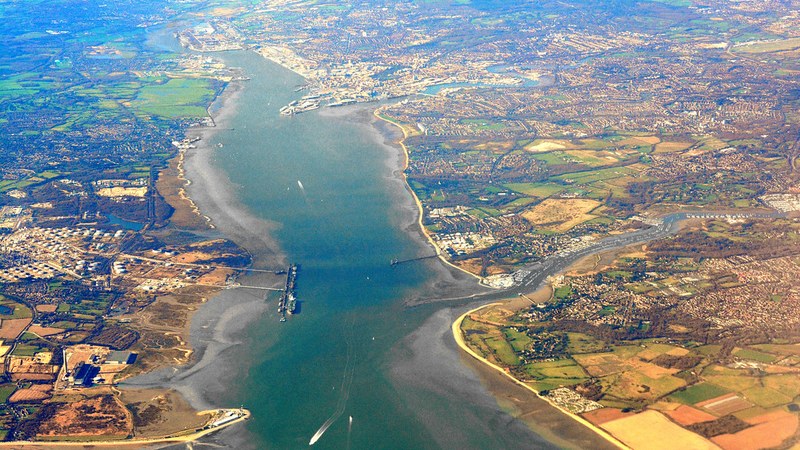
Water levels on Europe’s Danube and Rhine rivers reached historic lows in summer 2026, disrupting river cruise itineraries and forcing adjustments across several key routes. In July 2026, the Danube near Budapest recorded water levels close to the lowest seen in the last 30 years, with Romanian sections hitting their lowest since 1996. The Rhine’s depth dropped to 53 centimetres near Frankfurt last week, limiting where ships could navigate and dock.
Cruise Itineraries Affected by Historic Low Water
Uniworld’s SS Emilie on the Danube was only able to sail as far as Vilshofen in July 2026, skipping scheduled stops at Deggendorf, Regensburg, and the disembarkation point of
Nuremberg. To compensate, the itinerary added a stop at Linz, and passengers boarded bus excursions from Vilshofen to visit the Bavarian Forest and Regensburg. Passengers also had to disembark a day early in Nuremberg and were transferred to the airport the following day.
Operational Responses by Cruise Lines
Viking responded to low water challenges in June 2026 by arranging a ship swap for its Rhine Getaway cruise, requiring guests to spend 24 hours on a ship in Koblenz before a five-hour bus journey to Strasbourg to board a second river vessel. Viking deploys sister ships running opposite itinerary directions to enable such swaps and keep
guest cabin assignments consistent, reducing disruption.
Passenger Experiences and Compensation
Passengers on affected Uniworld cruises received compensation that included €30 vouchers toward lunch on full-day bus excursions and €50 each for dinner with hotel accommodations after early disembarkation. Chris Gray Faust, Cruise Critic executive editor and passenger, reported that multiple consecutive bus trips were needed during the cruise, noting there were no alternative onboard activities provided. Despite the changes, she noted that most passengers reacted positively to how Uniworld managed the situation.
Official Statements and Industry Perspectives
Uniworld said it adapts quickly to river conditions, coordinating with local authorities based on more than 50 years of experience in European
waterways. Viking highlighted that ship swaps are an established method to preserve itineraries and minimize guest inconvenience. Riviera Travel stressed that cancellations are a last resort, sending head office staff onboard to support crews and updating guests daily during disruptions.
Industry experts described 2026 as a notably difficult season due to prolonged droughts and heatwaves across Europe. Chris Pitchford, founder of the World of Cruising research site, said cancellations have been minimal but disruptions more severe than usual. Travelmation reported clients embarking about 60 miles from Budapest due to impassable river sections, followed by bus transfers for city excursions.
Travelmarvel
managing director Paul Melinis advised maintaining close contact with cruise operators and agents during travel. Jacqueline Mondelli, chief marketing officer at travel insurance platform Squaremouth, recommended cruise-specific insurance to cover risks such as low water levels.
Multiple European river cities and major routes like Belgrade to Vienna and Amsterdam to Basel have experienced impacts from these water level shortages, with affected stops including Budapest, Vilshofen, Deggendorf, Regensburg, Nuremberg, Linz, and cities along the Rhine such as Frankfurt and Koblenz.