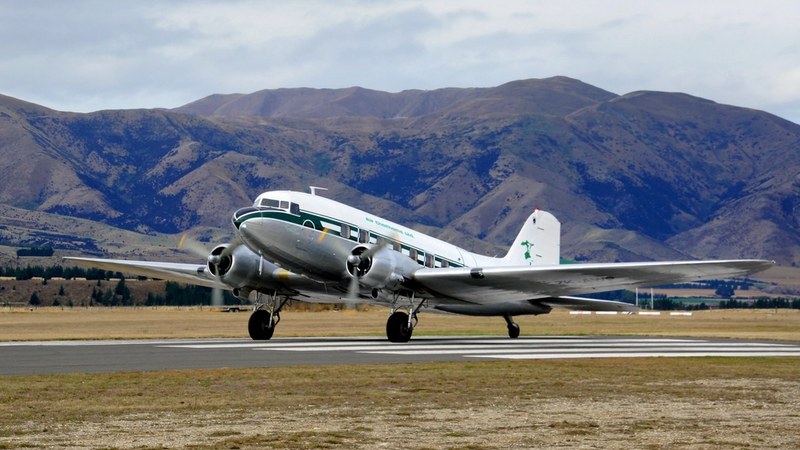
WestJet cancelled 76 flights on July 31, 2026, amid preparations for a strike announced by Canadian Union of Public Employees Local 8125 (CUPE 8125), representing approximately 4,400 WestJet flight attendants. The union issued a 72-hour strike notice early Thursday morning, July 30, 2026, with a potential strike start as early as 2 a.m. EST on Sunday, August 2. In response, WestJet issued a 72-hour lockout notice effective August 2. The cancellations affect multiple Canadian airports and aim to prevent stranded aircraft and crew.
Union and Company Statements on Labour Dispute
Alia Hussain, president of CUPE 8125, said the union has been clear about necessary changes and has
worked hard to reach a fair deal. She added, “The strike notice does not mean flight attendants want to go on strike,” and emphasized bargaining will continue around the clock. WestJet Group CEO Alexis Von Hoensbroech regretted the inconvenience and uncertainty caused by the lockout notice, stating the decision was not made lightly. He affirmed WestJet’s commitment to bargaining and to minimizing risks to its network’s integrity.
Travel Disruptions and Passenger Impact
The cancellations impact flights across multiple Canadian airports with passengers advised to check flight statuses. WestJet offers flexible change and cancellation policies for travel bookings between July 30 and August 4. Vancouver resident
Michael Murphy, whose wedding is set for August 6, noted difficulties faced by guests flying from Dublin to Vancouver on WestJet flights. He said rebooking options offered by WestJet are not viable for many guests due to personal and work commitments, explaining, “It’s not as easy just to move the flight forward.”
Cause and Background of the Strike
The strike notice follows stalled negotiations over contract improvements, including compensation for up to 35 hours of unpaid ground work flight attendants claim to perform monthly—a figure WestJet disputes. CUPE 8125 seeks improvements similar to those achieved by Air Canada flight attendants in a four-year agreement reached last
summer that included wage increases and partial pay for waiting time on the ground. Currently, WestJet uses a credit hour pay system combining flight time, ground duties, and delays into a single rate.
Industry Context and Government Response
WestJet, Canada’s second-largest airline carrier with Calgary as its main hub, issued lockout notice in response to the union’s strike action. Pre-emptive flight cancellations are standard practice during such labour disputes to avoid operational disruptions. On July 30, 2026, a spokesperson for Federal Jobs Minister Patty Hajdu urged both parties to negotiate, stating, “The federal government will always maintain that the strongest deals happen at the table,”
and highlighted Canadians’ expectations for resolution amidst uncertainty.