American Airlines experienced delays on around 1,100 flights on July 30, 2026, due to an IT breakdown attributed to a third-party vendor. The technology failure disrupted key systems used for flight planning and crew management, impacting the carrier’s operations across multiple hubs nationwide.
During the disruption, the Federal Aviation Administration (FAA) imposed a ground stop on American Airlines departures. The halt lasted only a few hours, but it caused significant scheduling ripple effects throughout the day.
Flights that were airborne at the time of the outage continued to their destinations. While flight cancellations remained limited, many scheduled departures on the
ground were delayed until manual workarounds were implemented and affected systems came back online.
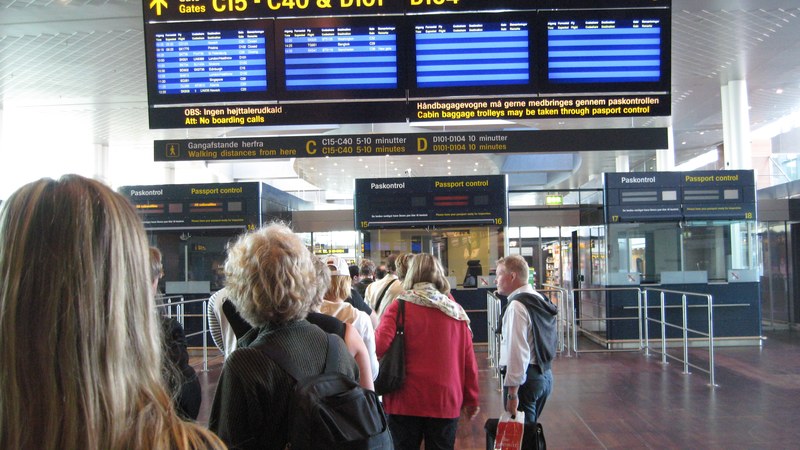
Passengers faced missed connections, extended wait times at airport service desks, and challenges rebooking flights due to overwhelmed call centers and mobile app systems. Departure boards displayed numerous delays as aircraft awaited clearance to proceed.
This incident follows a July 2024 global IT outage caused by a CrowdStrike software update, which impacted American Airlines along with Delta and United. That event forced ground stops and led to thousands of cancellations and delays across U.S. carriers. American Airlines recovered faster than some competitors then but still reported
operational and customer-service impacts.
Modern airline operations rely heavily on interconnected IT ecosystems that include legacy mainframe and cloud-based platforms supported by third-party software. A failure in any vendor system can cascade across airline processes such as crew scheduling and check-in kiosks.
Airline schedules depend on precise coordination of aircraft rotations and crew duty-time limits. Outages create operational backlogs because crews may reach legal duty limits while aircraft can be out of position, delaying recovery even after technical fixes.
When outages occur, American Airlines staff revert to paper-based coordination and extensive phone communication to manage flights, a method that slows
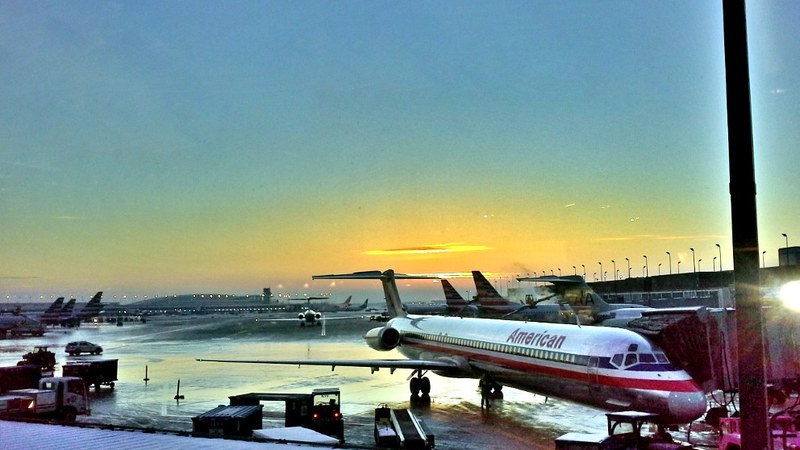
operations. Visible impacts at airports include increasing delays shown on departure boards and aircraft delayed at gates pending boarding clearance.
Regulatory and industry experts have raised concerns about concentration risk due to heavy reliance on a limited number of IT and cybersecurity vendors. A failure at any single provider can affect multiple carriers simultaneously, prompting calls for improved testing, rollback options, and backup systems.
Airlines face cost and complexity challenges implementing redundant systems and enhanced incident response. Some improvements, such as upgrading crew-management platforms, require significant investment across global operations.
In response to major IT failures, carriers including American Airlines
have expanded policies allowing passengers to change or refund tickets without fees. These policies aim to improve customer support during periods of irregular operations.
Despite the operational disruptions, American Airlines emphasized that aviation safety was not compromised, as outages mainly affected scheduling and customer service systems rather than onboard flight safety equipment.