FIFA World Cup 2026: A Major Catalyst for North American Tourism
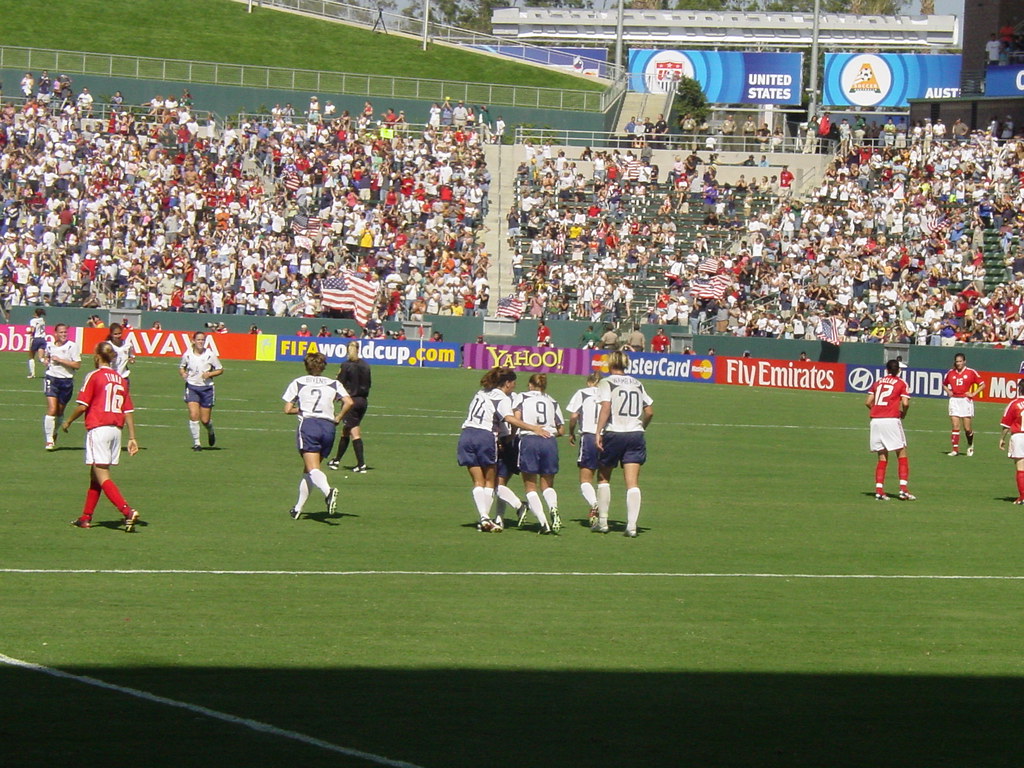
The joint hosting of the FIFA World Cup 2026 by the United States and Canada is expected to generate a marked increase in international and domestic travel to both countries. This high-profile event is set to elevate the visibility of key destinations across North America, attracting a broad array of sports fans and travelers. Its scope as a multi-city tournament will influence tourism flows, driving demand not only for match venues but also for surrounding hospitality and recreational services.
Complementary Cultural Celebrations Shaping Visitor Demand
Alongside the World Cup, significant cultural events such as the America250 celebrations and Route 66 festivities will reshape tourism across multiple
U.S. states. America250 honors the nation’s 250th anniversary and involves a series of themed events, while Route 66 commemorations focus on the heritage and travel legacy of the iconic highway. Both initiatives are expected to attract diverse audience segments, extending the tourism impact beyond traditional sports venues into broader cultural and regional experiences.
Shifting Travel Patterns and Accommodation Market Dynamics
Tourists visiting the U.S. and Canada in 2026 should prepare for increased congestion and higher demand across travel-related services. The convergence of FIFA World Cup events with America250 and Route 66 celebrations will likely produce fluctuations in accommodation availability, requiring early planning and flexible itinerary strategies. Travel
volumes in major host and celebration cities are anticipated to spike periodically in alignment with event schedules, affecting transportation and local tourism infrastructures.
Broader Industry Implications of Overlapping Large-Scale Events
The simultaneous occurrence of multiple high-profile events presents both opportunities and challenges for North America’s tourism sector. While these events collectively drive substantial visitor interest and economic activity, they also place pressure on service capacity and operational logistics in key markets. Tourism stakeholders, including hotels, transport operators, and local governments, will need to navigate these layered demands to optimize visitor experiences and manage resource allocation effectively.
Traveler Considerations for Navigating 2026 Tourism Peaks
Individuals planning trips during this period should consider potential variability in
pricing and service availability well in advance. It may be advantageous to monitor event calendars and plan accommodations and transit options early. Staying informed about regional travel conditions related to these simultaneous celebrations will help mitigate disruptions and enhance trip satisfaction.
Expanding Tourism Profiles Across the United States and Canada
These combined events contribute to diversifying tourism profiles across a broad geographic spread, extending impact beyond traditional metropolitan hubs. U.S. states hosting America250 and Route 66 activities, alongside World Cup venues, will likely see heightened visitor interest, facilitating regional tourism development and broadening demand patterns. This multifaceted growth exemplifies how large-scale sporting and cultural events can interlink to influence
broader tourism ecosystems.