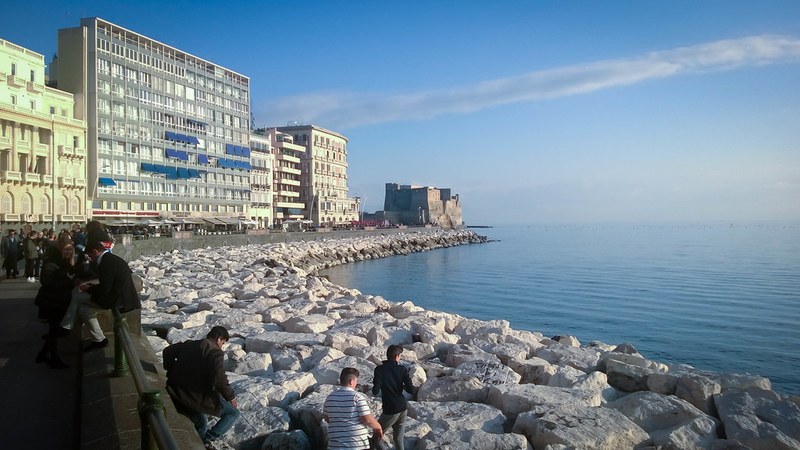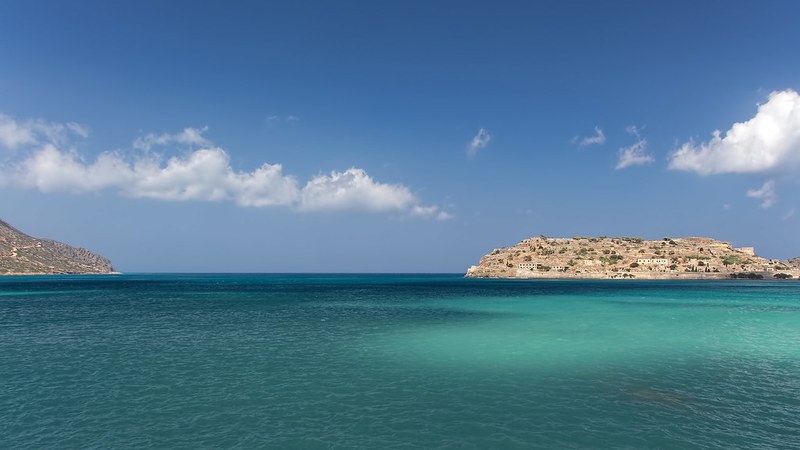
Greece recorded a 38% increase in international arrivals and a 64.3% surge in tourism spending in early 2026, leading Europe’s tourism recovery. Italy followed with a 21% rise in arrivals and a 4.3% increase in spending, while Malta ranked third with arrivals up 16%, according to etias.com data.
Europe Sees Broad Tourism Growth in Q2 2026
International arrivals to Europe rose 5.0% year-over-year in the second quarter of 2026, while overnight stays increased 4.8%. Nearly 80% of reporting European destinations saw growth in arrivals, with about 20% posting double-digit gains. Northern Europe led subregional performance with arrivals up 10.0% and overnight stays rising 8.4%. Central and Eastern Europe
arrivals increased 5.2%, while overnight stays grew by 6.9%. Southern and Mediterranean Europe posted the highest volume gains, driven by Malta, Greece, Italy, Portugal, and Spain.
Middle East Conflict Affects Air Travel Growth
Despite the tourism growth, air travel experienced disruption due to the Middle East conflict impacting flight connections between Europe and mid- to long-haul markets. European Revenue Passenger Kilometers increased 7.0% in the first quarter of 2026 but slowed sharply to 1.0% growth in April as flight disruptions persisted.
Price Sensitivity Rises, Leisure Spending Remains High
Consumer price sensitivity increased, with 48% of Europeans naming affordability and value as top travel opportunities in Q2 2026, up from 32% in Q1. Leisure travel
is projected to represent 13.0% of consumer spending in key European source markets during 2026, notably above the global average of 8.5%. Nearby and off-peak travel demand also grew, with 61% of travelers preferring Southern and Mediterranean Europe for travel between June and November.
New Border Control Systems May Influence Travel
The rollout of the Entry/Exit System (EES) biometric registration for non-EU nationals did not substantially affect travel volumes to date. However, the upcoming European Travel Information and Authorization System (ETIAS) will require visa-exempt non-EU travelers to pay a €20 fee and obtain pre-trip authorization. The ETIAS launch date remains unconfirmed, but increased price sensitivity among travelers
could amplify the system’s impact. Additionally, EES checks may contribute to longer border queues, affecting traveler experience.
European Travel Commission Highlights Sector Resilience
Miguel Sanz, president of the European Travel Commission, said: “European tourism has continued to show resilience in Q2 2026, despite a more uncertain global environment. Travel remains a priority for consumers, but the way people travel is changing.” He noted affordability, safety, proximity, and value as key factors shaping travel decisions, urging destinations to maintain competitiveness and distribute visitor flows across regions and seasons.
Sustainability Interest Growing but Limited Behavioral Change
Google Trends data indicate increased searches for “sustainable tourism” in 2026 compared to 2025. Nonetheless, only 41% of travelers
reported they would alter their travel behavior due to environmental concerns. This suggests sustainability remains an emerging factor in trip planning but does not yet significantly influence traveler decisions.