South Western Railway (SWR) announced timetable changes effective Monday, 10 August 2026, reducing services to one train every two hours between Yeovil and Exeter St Davids. Journeys between London Waterloo and Exeter will take up to 27 minutes longer due to reduced speeds imposed to maintain safety amid hot and dry weather effects. Network Rail introduced late-night speed restrictions and timetable changes from 3 August 2026 on multiple affected lines until conditions improve.
Cause of Reduced Speeds and Service Changes
The speed restrictions follow Network Rail’s identification of soil moisture deficit caused by persistent drought linked to the UK’s fourth heatwave of 2026. Clay soil in railway
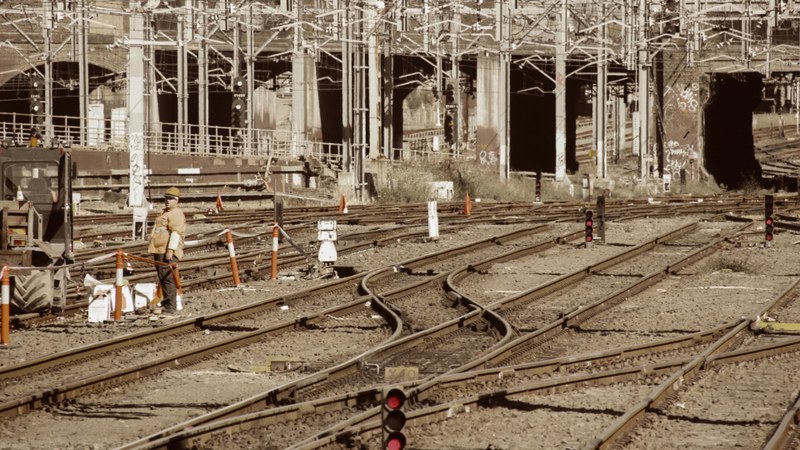
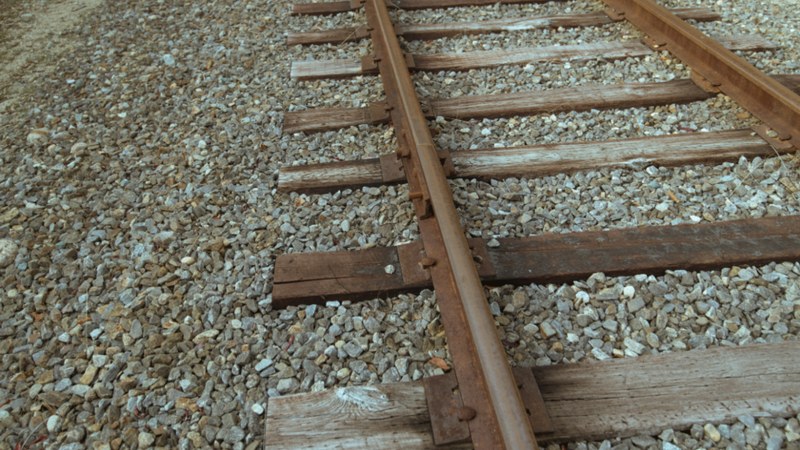
embankments shrinks when deprived of moisture, disturbing track stability by causing sleepers to drop or shift and altering track geometry. These small track geometry changes force trains to reduce speed for safety until ground conditions recover.
Affected Routes Across England
Great Northern implemented timetable changes from 3 August 2026 on the King’s Lynn line in Norfolk. Greater Anglia altered some evening services in Essex, incorporating rail replacement buses. c2c adjusted some late services to Shoeburyness, and the eastern end of the Elizabeth line operates a reduced 11pm to midnight service between Gidea Park and Shenfield on certain dates. SWR’s West of England line has
been particularly vulnerable, with similar restrictions imposed the prior year.
Engineering Efforts to Stabilize Tracks
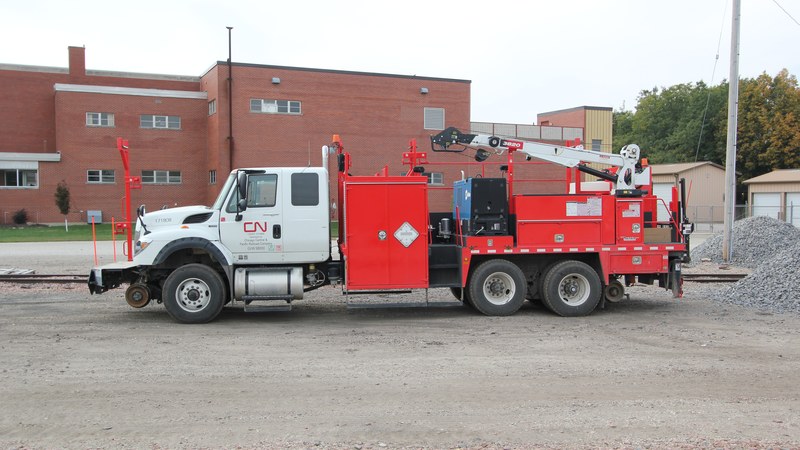
Network Rail engineers use tamping machines to lift tracks, place 49,000 tonnes of stone ballast network-wide in 2026, and create firmer foundations to counteract soil shrinkage effects. About 62 miles (100 km) of track in Anglia routes were treated last year with tamping operations and ballast replenishment to maintain track stability and reduce soil shrinkage problems.
Impact on Passengers and Official Comments
Passengers should allow extra time for journeys, notably between London Waterloo and Exeter. Train services will be slower and less frequent, with impacts extending across Great Northern, Greater Anglia, c2c, and the Elizabeth line.
Lawrence Bowman, managing director of SWR and Network Rail Wessex, highlighted that extreme weather events are increasingly common, stating this is the second consecutive year prolonged hot, dry weather has affected the network. Since last summer’s intervention, investments and track work have reduced journey time impacts by about 30 minutes compared to the previous year, minimizing disruption while maintaining safety.