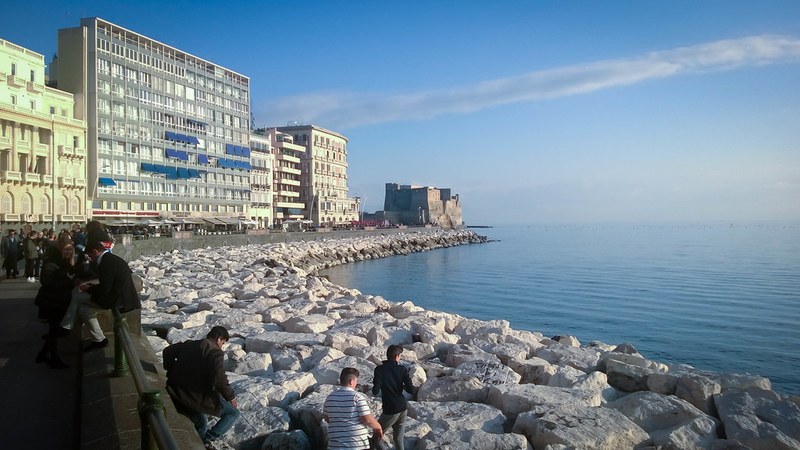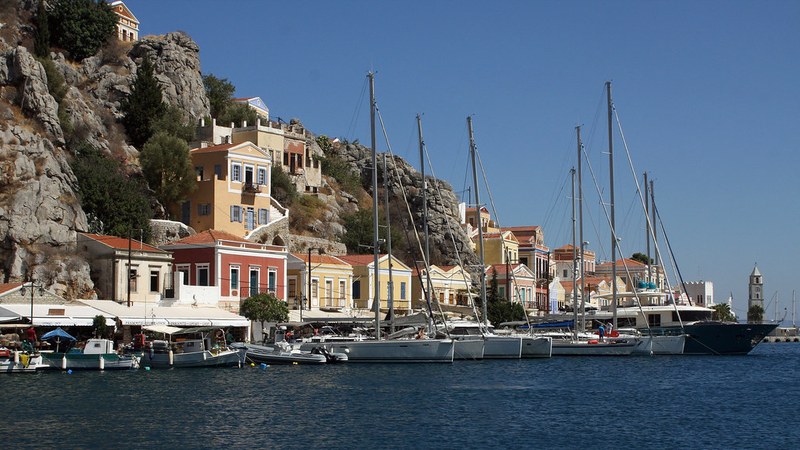
Greece and Italy led Europe’s tourism surge in early 2026, with Greece recording a 38% increase in international arrivals and a 64.3% rise in tourism spending. Italy followed with a 21% rise in arrivals and a 4.3% increase in travel expenditure, while Malta ranked third with arrivals up 16%, according to data published by the European Travel Commission.
Across Europe in the second quarter of 2026, international arrivals rose 5.0% year-on-year, while overnight stays increased 4.8%. Nearly 80% of reporting European destinations saw growth in arrivals, and around 20% achieved double-digit increases.
Regional Tourism Growth Patterns
Northern Europe recorded a 10.0% increase in arrivals
and an 8.4% rise in overnight stays during Q2 2026. Central and Eastern European destinations also experienced growth, with arrivals up 5.2% and overnight stays rising 6.9%, driven by travelers seeking better value and new experiences.
Southern and Mediterranean Europe posted the largest gains overall. Malta, Greece, Italy, Portugal, and Spain all contributed to strong increases in visitor numbers in this subregion.
Destinations Facing Declines and Disruption
Cyprus saw a 17.9% decrease in arrivals in Q2 2026, influenced partly by the timing of Easter and concerns related to its proximity to the Middle East conflict. Türkiye experienced a 2.1% decline in arrivals, attributed to weakening
demand for Europe and long-haul destinations.
European air travel also reflected challenges from geopolitical tensions. European Revenue Passenger Kilometers (RPK) increased 7.0% in the first quarter of 2026, rising 8.0% in March but slowing sharply to 1.0% growth in April due to disruptions linked to the Middle East conflict.
Traveler Behavior and Spending Trends
Price sensitivity among European travelers rose in Q2 2026, with 48% citing affordability and value as key travel considerations, up from 32% in Q1. Leisure travel is projected to account for 13.0% of consumer spending in major European source markets this year, exceeding the global average of 8.5%.
Interest in visiting
Southern and Mediterranean Europe between June and November 2026 reached 61%, with particular uptake in September bookings as travelers opt for off-peak periods to avoid crowds and high temperatures.
Despite increased searches for sustainable tourism, only 41% of consumers indicated they would modify their travel behavior due to environmental concerns.
Border Control Measures and Future Travel Authorization
The introduction of the Entry/Exit System (EES) in 2026, which uses biometric registration for non-EU nationals, has not led to significant impacts on travel according to year-to-date arrival figures.
The upcoming European Travel Information and Authorization System (ETIAS) will require visa-exempt travelers from non-EU countries to pay a €20 fee
and obtain pre-trip authorization. The exact launch date is unconfirmed, but the added cost and administrative step may affect price-sensitive travelers.
Miguel Sanz, president of the European Travel Commission, said the quarter illustrated the tourism sector’s resilience amid global uncertainty, stating: “European tourism has continued to show resilience in Q2 2026, despite a more uncertain global environment. Travel remains a priority for consumers, but the way people travel is changing.” He added that affordability, safety, proximity, and value are increasingly shaping travel decisions.