Prolonged Strait of Hormuz Stalemate Fuels Regional Instability
As of mid-2026, the stalemate at the Strait of Hormuz continues into its fifth month, creating sustained instability in a critical waterway that serves as a lifeline for global oil and gas transportation. This persistent tension has not only heightened geopolitical risks but also contributed to the stagnation of regional stability across West Asia.
The ongoing impasse has wider implications, extending beyond maritime concerns towards impacting various sectors including aviation and tourism in the Middle East. The strait’s strategic importance means any unresolved conflict in this area remains a major concern for international logistics and travel flow.
West Asian Tourism Faces Severe Setbacks Amid Regional Tensions
The tourism industry
in West Asia, which showed signs of gradual recovery in previous years, is now encountering significant challenges. The United Arab Emirates, one of the region’s key tourism hubs, is experiencing a sharp downturn as security uncertainties and fluctuating oil markets dampen traveler confidence.
These compounded pressures threaten to derail the fragile rebound efforts in the region’s travel sector. The instability has resulted in diminished arrivals and slowed business across hospitality and cultural tourism channels, hindering economic prospects linked to visitor spending.
Flight Cancellations and Global Aviation Disruptions Linked to Middle East Instability
The aviation industry is grappling with widespread disruptions as regional conflicts in the Middle East coincide with pressures at
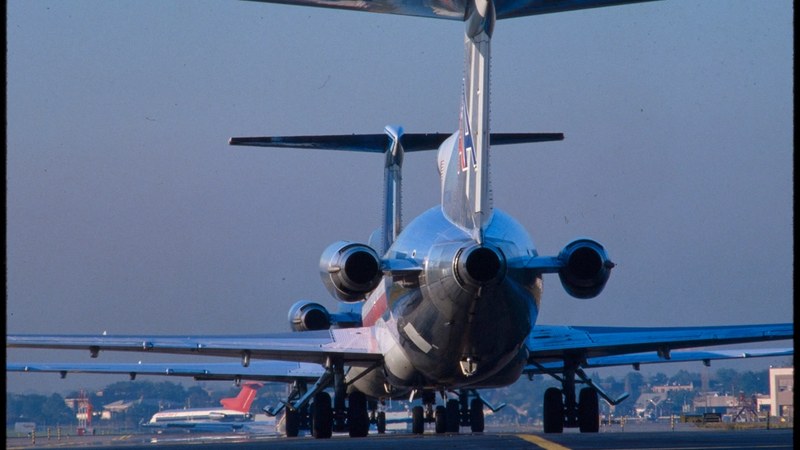
pivotal maritime routes such as the Suez Canal. Airlines face an increasing number of flight cancellations and reroutes, directly impacting the reliability of air travel routes that connect Asia, Europe, and the Americas through Middle Eastern hubs.
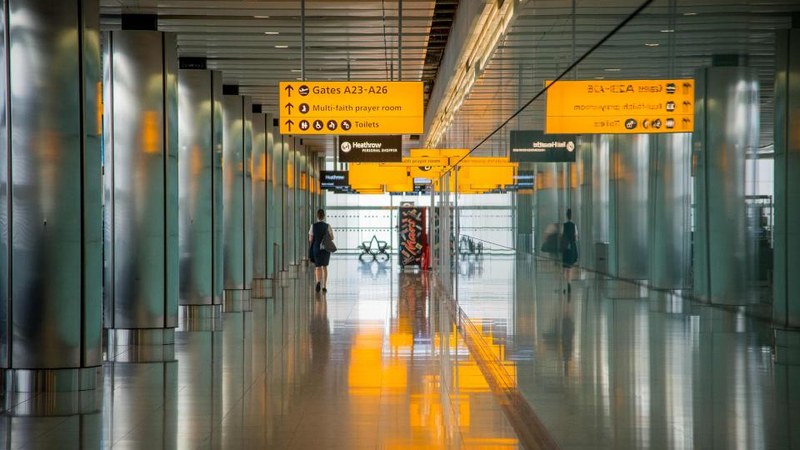
This turbulence extends to airport operations, with various facilities experiencing interruptions that complicate travel logistics. These disruptions are indicative of the broader challenges faced by global aviation amidst geopolitical volatility.
Implications for US Travelers Navigating the Region in 2026
American tourists planning travel to or transiting through Middle Eastern destinations should be vigilant about potential delays and modifications to their itineraries. The risk of flight cancellations and rerouting affects travel plans and
may require contingency arrangements.
In addition to operational challenges, safety considerations have come increasingly to the fore. Travelers should maintain up-to-date information on evolving conditions and adhere to guidance from official sources to mitigate risks. Advanced planning and flexibility will remain essential for those navigating affected routes.
International Initiatives Seek to Secure Strait of Hormuz and Revive Tourism Flows
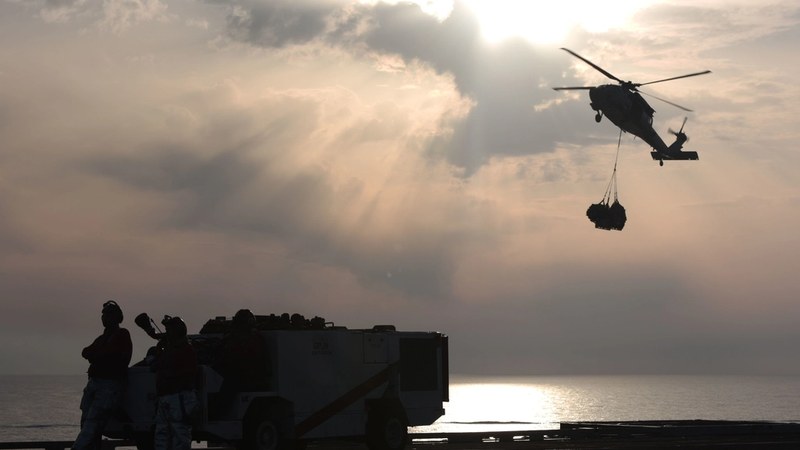
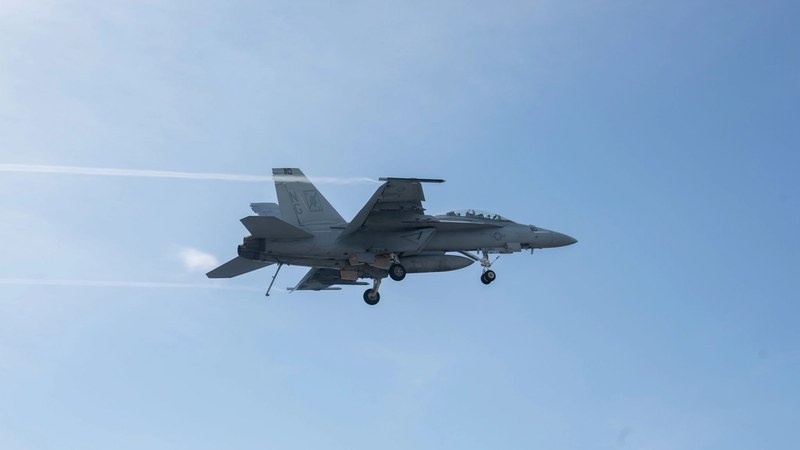
A multinational coalition involving Israel, the United States, the United Kingdom, the United Arab Emirates, France, Saudi Arabia, Bahrain, Qatar, Japan, and others is actively engaged in efforts to reopen and secure the Strait of Hormuz. These diplomatic and security initiatives aim to restore safe passage through this critical chokepoint.
By stabilizing the
strait, these collaborative actions intend to support the recovery of global trade, energy transport, and tourism sectors that rely heavily on accessible maritime routes. The success of such endeavors will be an important factor in alleviating disruptions and fostering long-term economic resilience in the region.
For travelers, monitoring developments surrounding these international efforts will be important, as progress could lead to improvements in travel conditions and reduced disruptions in the near future.