The Federal Airports Authority of Nigeria (FAAN) started rolling out the V-Pass biometric identity verification system at Nigerian domestic airports in July 2026. The new system is designed to verify passenger identities through facial recognition technology across domestic routes within the country.
V-Pass System Deployment and Technology Providers
The V-Pass solution includes a Central Management System that monitors passenger movement and provides analytical data. The technology was developed by Verxid Technologies in partnership with FAAN, while Abuja-based Barnksforte Technologies supplies the AI-powered biometric identity verification component. Together, these partners facilitate the integration of facial recognition into the domestic airport security and boarding processes.
Security and Efficiency Goals Behind V-Pass Implementation
FAAN’s initiative to
deploy V-Pass aims to enhance security at Nigerian airports by providing a reliable biometric verification method. The rollout is part of FAAN’s broader digital transformation agenda, which focuses on leveraging biometric technology to improve access control and accelerate passenger processing times through automated identity verification.
Impact on Nigerian Domestic Travelers
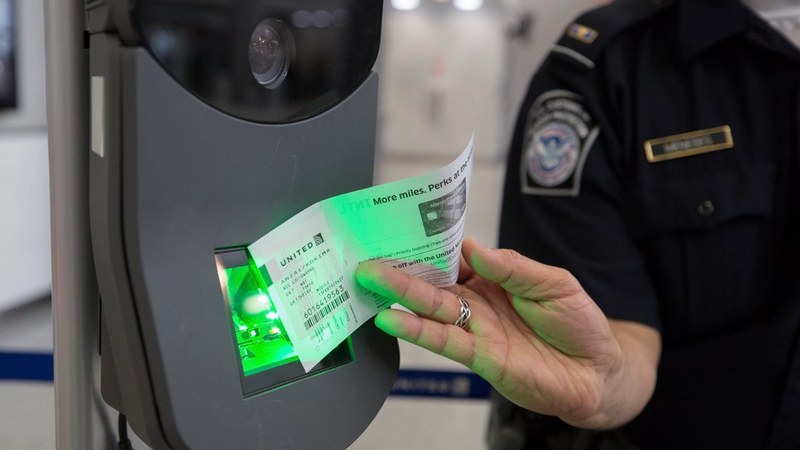
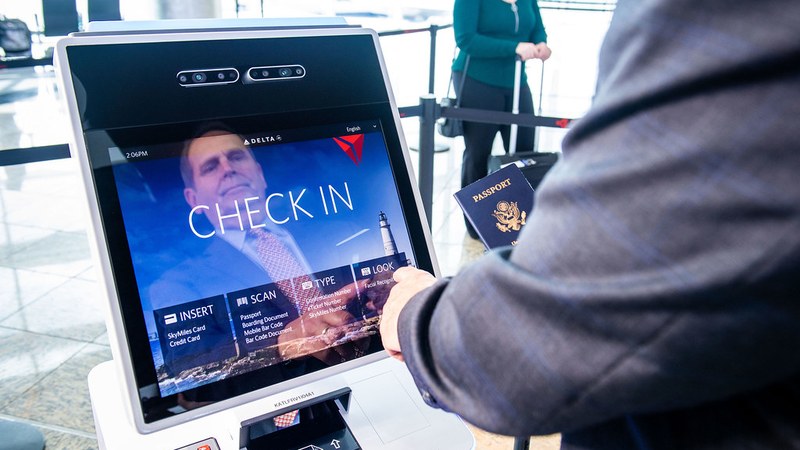
Domestic passengers at Nigerian airports will experience faster boarding and security checks due to the use of the V-Pass facial recognition system. This technology replaces traditional boarding pass and ID verification methods with automated facial scans, reducing wait times and streamlining the passenger flow.
Global Biometric Adoption and Market Context
Globally, biometric passenger processing, especially through facial recognition, is increasingly adopted
at airports. As of 2025, approximately 43% of airports worldwide utilize biometric-enabled boarding systems. The biometric airport services market is projected to grow to $276.56 billion by 2032. However, implementation faces challenges related to governance, liability, and interoperability, with most deployments driven by individual airports and airlines.