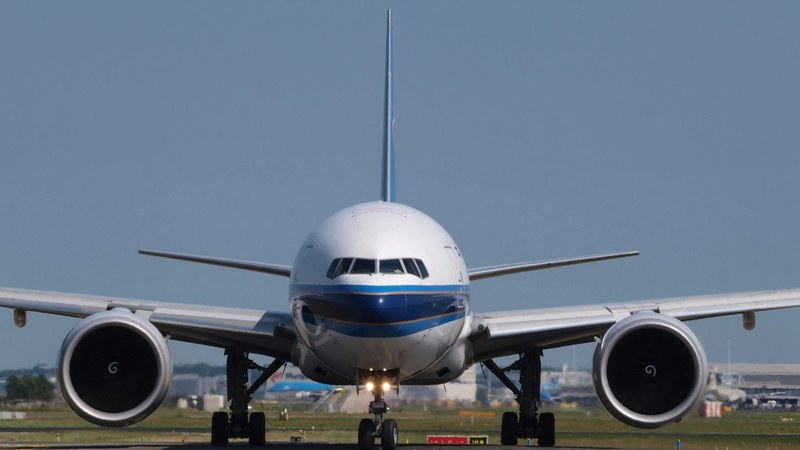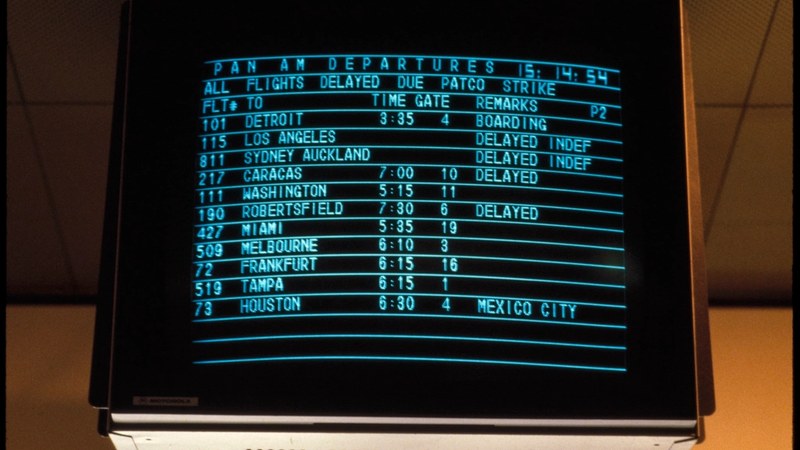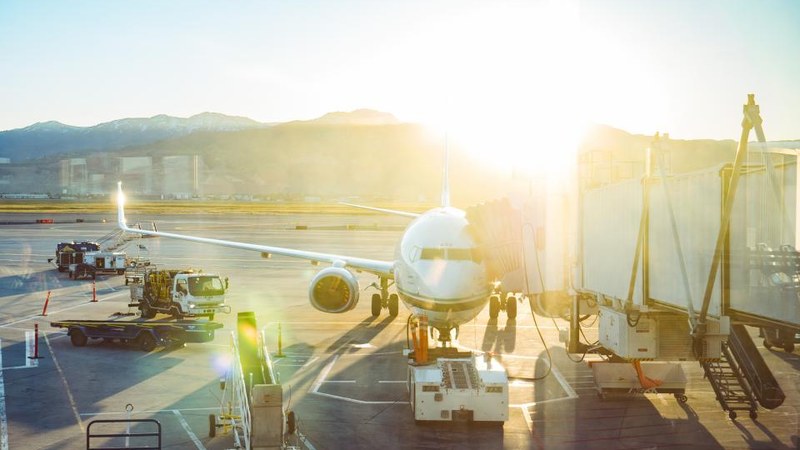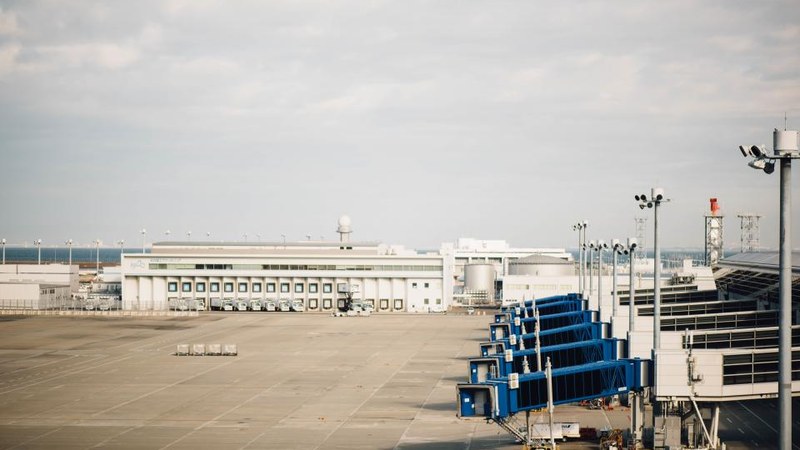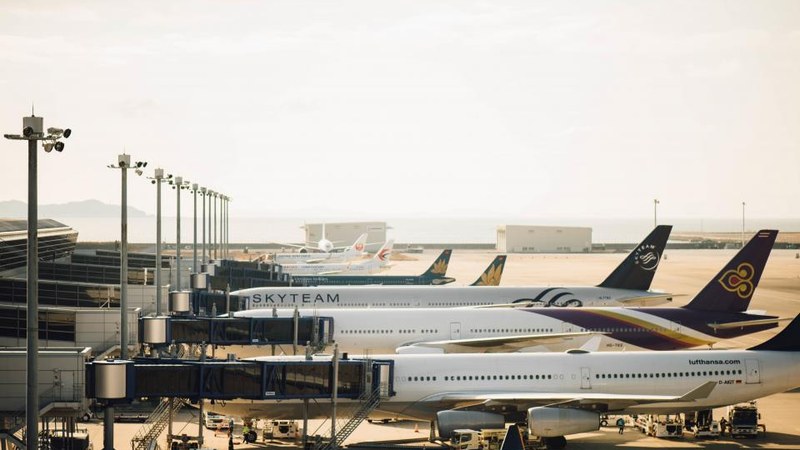
JetBlue grounded all flights scheduled to arrive at New York JFK Airport for the entirety of July 22, 2026, following widespread thunderstorms across the Northeast United States. The Federal Aviation Administration (FAA) mandated ground stops at Baltimore, Boston, Newark, Washington Dulles, Washington National, and New York airports including LaGuardia and JFK to manage airspace safety and congestion during the weather event.
JetBlue Flight Cancellations and Delays
As of July 21, JetBlue had canceled 257 flights, equating to 25% of its planned schedule for that day. Additionally, 373 flights experienced severe delays, with arriving flights delayed by an average of nearly four hours. On July 22,
the airline canceled the majority of remaining inbound flights to JFK that were not yet en route. JetBlue planned to operate a limited number of departing JFK flights on July 22. The FAA reported departure delays of approximately 90 minutes at JFK, while arrivals remained suspended due to thunderstorms.
American Airlines also faced weather-related operational challenges in the region, canceling 314 flights on July 22, representing about 8% of its daily schedule.
Passenger and Crew Impact
The extensive ground stops and cancellations disrupted JetBlue passengers with long delays and widespread cancellations throughout the Northeast. Internal communications revealed that flights were experiencing delays exceeding the
average four-hour wait, while LaGuardia and Boston airports were similarly ground-stopped. Many JetBlue flight crews were stranded at airports without company-provided overnight accommodations. Additionally, pilots reported extreme difficulty contacting JetBlue’s Crew Scheduling department, facing hours-long telephone hold times during the disruption.
Official Responses and Criticism
The Air Line Pilots Association (ALPA), representing JetBlue pilots, criticized the airline for exacerbating conditions. ALPA stated that customers experienced worsened conditions due to “unnecessary and extensive delays across JetBlue’s entire network.” Capt. Wayne Scales, chairman of JetBlue’s Master Executive Council, highlighted failures within Crew Scheduling, stating, “JetBlue’s Crew Scheduling department was effectively unreachable, with pilots experiencing hours-long hold
times. Many pilots and crews were left stranded at the airport as the Company failed to even provide overnight accommodations.”
Cause and Operational Context
The FAA-mandated ground stops on July 22 followed severe thunderstorms that swept through the Northeast, triggering flight suspensions at multiple key airports. JetBlue had been contending with operational disruptions since at least July 18, when it canceled 307 flights on Saturday, 293 on Sunday, and 147 on Monday, prior to the Gulf of operational difficulties culminating on July 22. These disruptions stemmed from weather-related delays compounded by crew and scheduling communication failures, which impeded efficient recovery and repositioning efforts.
Large-scale
weather disruptions often cause complex logistical challenges, including mispositioned crews and aircraft. Historical precedents demonstrate the risk of operational meltdowns when airlines lose track of pilot and crewmember locations, as seen during Southwest Airlines’ Christmas 2022 disruptions and Delta’s recent CrowdStrike outage.