The United States Department of Homeland Security (DHS) has finalized new visa regulations that impose fixed admission periods for holders of F student, J exchange visitor, and I media visas. The rule eliminates the previous indefinite duration of status policy, aiming to reduce visa fraud and enhance national security by increasing federal oversight.
Admission Limits Set for Students and Journalists
Under the new rule, foreign students and exchange visitors will be admitted for the duration of their academic programme, with a maximum cap of four years. Most foreign journalists will have an admission period capped at 240 days. Chinese journalists will face stricter restrictions with a maximum
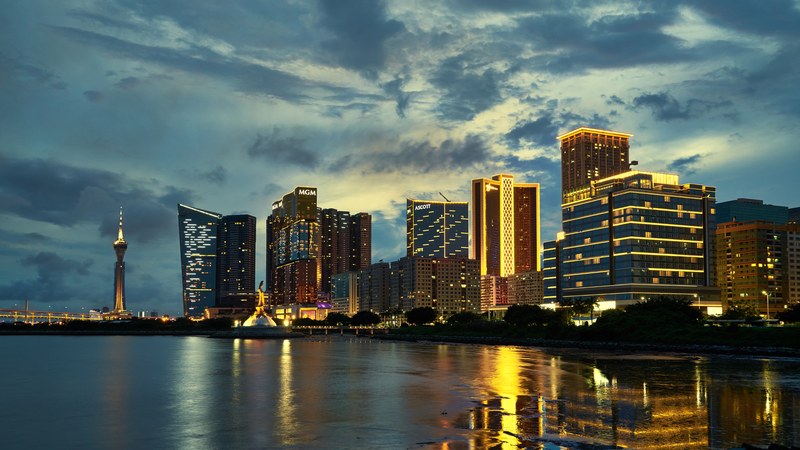
stay of 90 days and must apply for extensions every 90 days. Journalists from Hong Kong and Macau are exempt from the 90-day rule and instead follow the 240-day limit.
Shift to Federal Oversight and Extension Process
Visa holders requiring additional time to complete their academic programmes must now apply for Extensions of Stay directly through the United States Citizenship and Immigration Services (USCIS). This replaces the previous system where university officials primarily managed status oversight. DHS highlighted that the update increases scrutiny through biometric vetting, background checks, and fraud screenings.
Reduced Post-Graduation Benefits and Retroactive Status Rules
The grace period for F1 visa holders after graduation to prepare for departure, transfer schools, or
change status has been reduced from 60 days to 30 days. Additionally, students who change their educational objectives may be retroactively considered out of status from the date of that change, a provision described as “genuinely wicked” by David Bier, director of immigration studies at the Cato Institute.
Official and Expert Reactions on Economic and Innovation Impact
DHS Secretary Markwayne Mullin stated the indefinite admission system allowed some foreign students to abuse the immigration system by continuous enrollment without leaving the US. The Chinese embassy in Washington condemned the 90-day limit on Chinese journalists as discriminatory. Immigration lawyer Tahmina Watson warned that tightening visa requirements threatens the US economy
and innovation, noting international students contributed over $50 billion to the economy in 2023 and exceed 1.1 million in enrollment for the 2023-24 academic year. According to DHS, there were over 1.8 million student visa admissions in 2024, a rise of more than 11% from the prior year.
The new regulations will take effect 60 days after their publication in the Federal Register and will undergo congressional review. The measures continue the policy approach first advanced during former President Donald Trump’s administrations aimed at curbing both legal and illegal immigration.