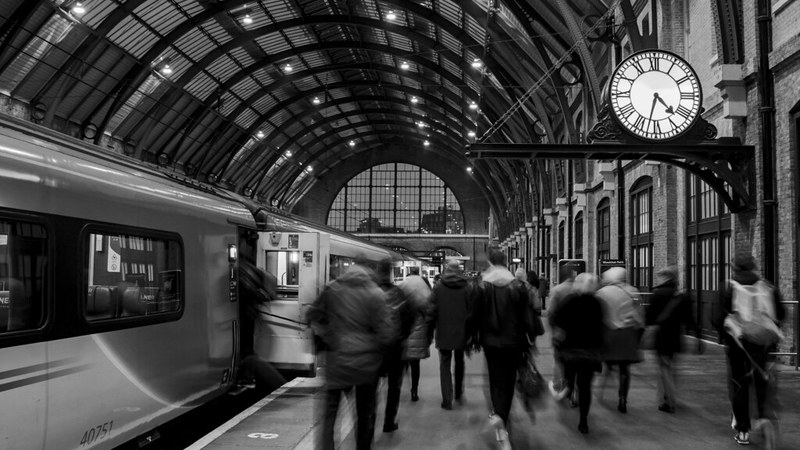
London Charing Cross and Waterloo East stations will close from Sunday, July 26 until Sunday, August 16, 2026, as part of a £20 million infrastructure upgrade project. The 22-day closure will suspend all train services at these key railway hubs to enable extensive modernization work.
Infrastructure Improvements and Track Replacement
The upgrade includes replacing approximately 1,800 metres of track and the installation of 16 new sets of switches and crossings, essential for directing trains across different tracks. Track drainage systems at Waterloo East station will also be improved to maintain track quality and ensure trains can operate safely at full line speed. At Charing Cross,
parts of the station will be rebuilt, involving reinforcement of foundations and resurfacing of platform areas.
Structural repairs will be conducted on the 175-year-old Hungerford Bridge, which carries the railway over the River Thames, and on the pedestrian link bridge between Waterloo East and London Waterloo stations. This work is intended to secure the integrity of these Victorian-era structures to support rail operations for decades to come.
Service Disruptions and Passenger Impact
No trains will call at Charing Cross or Waterloo East during the closure. Southeastern Railway will divert services that usually terminate at Charing Cross to London Victoria, Cannon Street, Blackfriars, and London Bridge
stations. Passengers are advised to check travel options prior to their journeys, especially considering additional weekend closures scheduled before and after the main 22-day shutdown for preparatory and follow-up work.
Southeastern has announced that all ticket holders affected by the closures may claim refunds, including those who travel via reasonable alternative routes. A dedicated refund form will be accessible on Southeastern’s website starting July 26, 2026, to facilitate this process.
Strategic Timing and Project Justification
Scott Brightwell, Train Services Director at Southeastern Railway, stated the £20 million project will upgrade infrastructure installed in the 1990s and strengthen historic structures to improve safety and reliability for
passengers. The closure was deliberately scheduled during the summer to coincide with school holidays and a period when passenger volumes are approximately 20% lower, reducing overall disruption.
Brightwell added, “By consolidating the work into a 22‑day closure, supported by preparation and follow‑up weekends, we can complete the work more quickly and with less disruption overall than the alternative options of 60 weekend closures or four to five 9-day closures.”