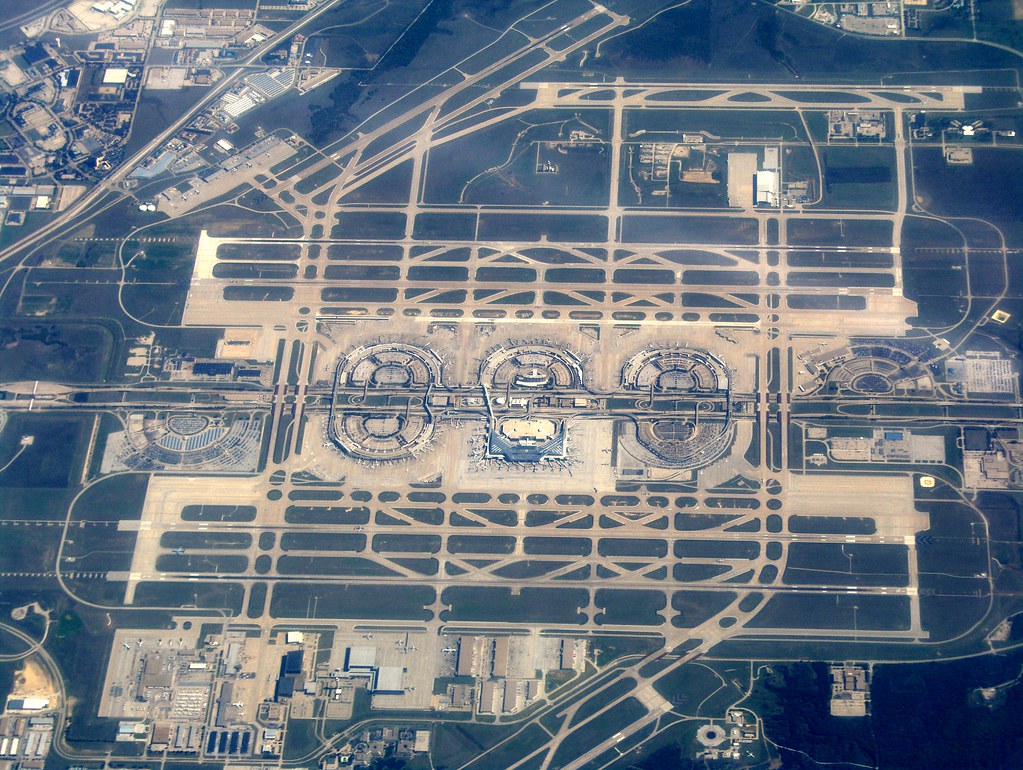
FAA Ground Stop and Thunderstorms Trigger Flight Disruptions at Dallas Airports
Travelers passing through Dallas-Fort Worth International Airport and Dallas Love Field have faced significant disruptions recently due to a confluence of severe weather and FAA-imposed operational restrictions. The FAA ground stop, combined with thunderstorms sweeping the region, led to extensive flight cancellations and delays, affecting airline schedules and airport operations across the Dallas area.
Impact on Flights and Passengers
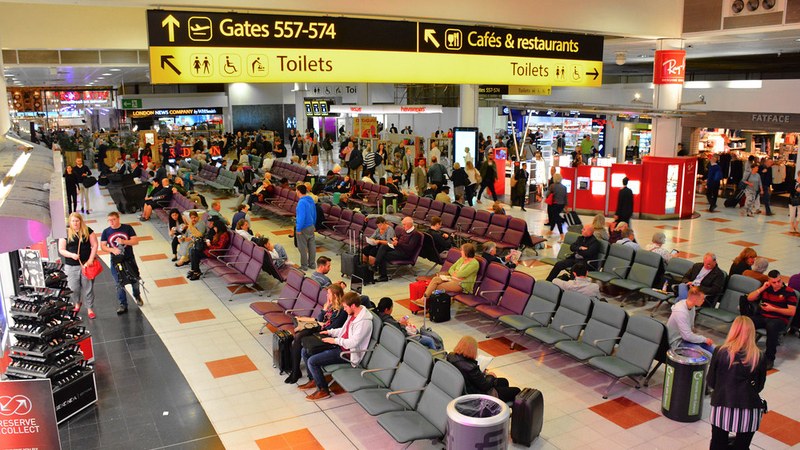
More than 400 flights at the two major Dallas airports were canceled amid the disruption. Southwest Airlines, which operates a significant volume of flights out of Dallas Love Field, was particularly hard hit with hundreds of cancellations. The resulting backlog contributed to long wait times and
altered travel itineraries for thousands of passengers.
Many travelers reportedly faced missed connections and the need to adjust plans at short notice, compounding the challenges during what is typically a peak travel season. The disruptions coincided with the Memorial Day travel period, a time when airports in the United States generally experience elevated passenger volumes.
Weather-Related Challenges at DFW Airport
The Dallas-Fort Worth area often experiences volatile weather during late spring and early summer, including powerful thunderstorms. These conditions can severely impact airport operations by limiting runway availability and creating safety hazards.
The recent storms forced air traffic controllers and airline operators to implement ground
holds and delays in adherence to FAA regulations, aiming to maintain safety but resulting in cascading effects on flight schedules.
FAA Ground Stop: Operational Effects and Airline Responses
The FAA ground stop temporarily halted the departure of inbound flights to Dallas airports, effectively pausing arrivals to mitigate congestion on runways and taxiways. This action is a standard safety measure during intense weather or operational strain but often leads to accumulated delays.
Airlines, notably Southwest Airlines, had to cancel numerous flights and reschedule others. While carriers typically strive to restore service promptly after such ground stops, travelers are advised to closely monitor updates and communicate with airlines for rebooking
options.
Considerations for Travelers Planning Summer Trips
Given the scale of the disruptions, U.S. travelers with onward flights through Dallas in the coming weeks should remain vigilant for potential weather-related issues, particularly during peak travel periods.
Planning flexibility, arriving early at airports, and staying informed through official airline communications can help mitigate some impacts of these disruptions. Passengers are also encouraged to check the status of flights before heading to the airport.
Dallas Airports’ Role in National Air Travel Connectivity
Dallas-Fort Worth International Airport is one of the primary hubs in the United States, serving as a critical connecting point for domestic and international flights. Its role underscores the wider implications when operational issues
arise, as delays and cancellations can ripple across the national air traffic network.
Dallas Love Field, known for its focus on carriers like Southwest Airlines, plays a complementary role in servicing the regional market and low-cost travel segments.
Both airports’ capacity and geographic position mean any disruption can have a wide-reaching influence on passenger flows and airline operations nationally.
Ongoing Monitoring and Outlook
While the initial ground stop has been lifted, ongoing weather patterns and operational recovery efforts contribute to fluctuating airport conditions. Travelers are advised to maintain awareness of weather forecasts and airport advisories as they plan travel through the Dallas area.
Industry
observers note that the combination of severe weather with FAA-imposed ground stops will likely remain a challenge for high-traffic hubs during intense weather seasons, emphasizing the need for coordinated contingency planning by airports and airlines.