On July 11, 2026, more than 4,500 flights were disrupted at New York metropolitan area airports, including John F. Kennedy International (JFK), LaGuardia (LGA), Newark Liberty International (EWR), and Philadelphia International Airport (PHL). By midnight, the disruptions included over 500 cancellations and more than 4,000 flight delays according to Rus Tourism News.
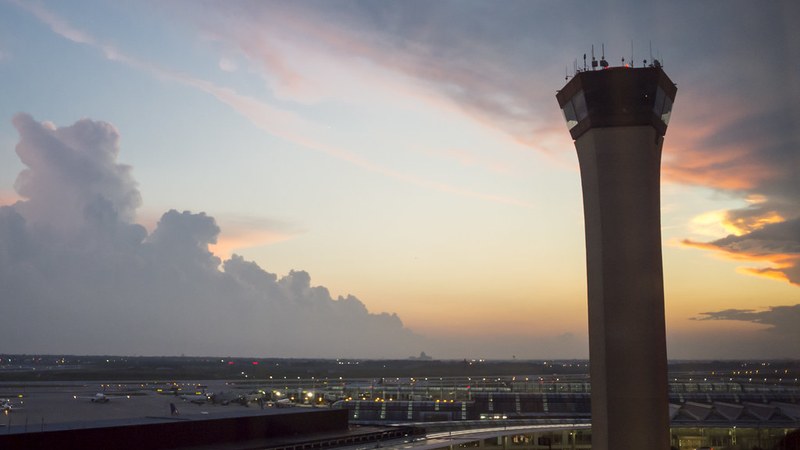
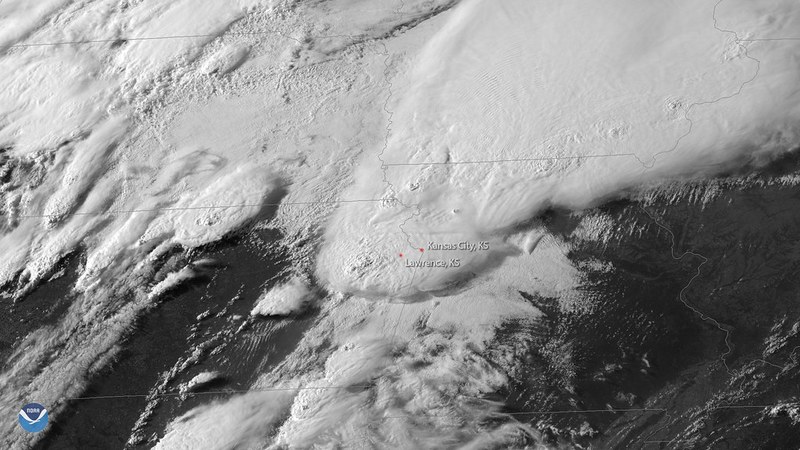
Severe thunderstorms moving through the region coincided with chronic shortages of certified air traffic controllers, substantially reducing airport arrival and departure capacity. To manage traffic safely, the Federal Aviation Administration’s (FAA) Air Traffic Control System Command Center imposed successive ground stops and ground delay programs at JFK, LGA,
EWR, and at times PHL throughout the evening.
By midnight on July 11, flight delays exceeded 4,000 and cancellations topped 500, affecting thousands of passengers across the northeast corridor. The disruptions caused cascading effects through the national flight network, stranding passengers beyond the immediate region as aircraft and crews faced delays or were rerouted.
Airlines operated overnight to reposition aircraft and crews to recover from the disturbance, but travelers continued to face delays after the storms passed. The FAA’s traffic management initiatives, including ground stops that halted departures destined for affected airports and ground delay programs that slowed incoming flights,
were aimed at maintaining safe aircraft separation under reduced staffing conditions.
The New York metropolitan airports are among the busiest and most interlinked globally, playing critical roles in domestic and international connections. While summer thunderstorms regularly disrupt air travel in the northeastern United States, the severity of this event was amplified by persistent air traffic controller shortages, limiting operational flexibility and increasing delay duration and cancellation numbers during adverse weather.