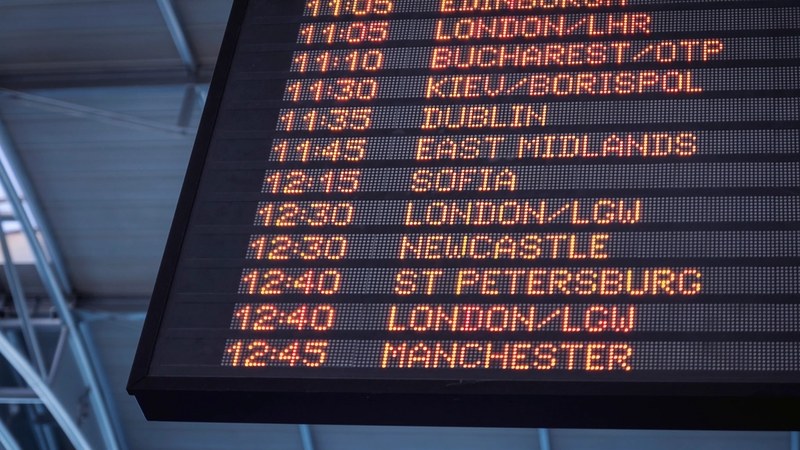
International tourist arrivals to Europe increased by 5.0% in the first half of 2026 compared to 2025, with overnight stays rising by 4.8%, according to the European Travel Commission (ETC) via ETC Corporate. This growth occurred despite economic uncertainty and geopolitical tensions affecting the region.
Regional Tourism Performance and Leading Destinations
Northern Europe led subregional growth with a 10% increase in arrivals and an 8.4% rise in overnight stays. Central and Eastern Europe reported a 5.2% growth in arrivals and a 6.9% increase in nights spent. Southern and Mediterranean Europe posted broad-based gains, notably in Malta (+16%), Greece (+38%), Italy (+21%), Portugal, and Spain.
Geopolitical Conflict Impacts on Specific Destinations and Aviation
Cyprus experienced
a 17.9% drop in arrivals, influenced partly by Easter timing and traveler concerns linked to the Middle East conflict. Türkiye saw a 2.1% fall in tourist arrivals and reduced travel spending amid the regional instability. Aviation disruption was evident, with European Revenue Passenger Kilometres up 7% in Q1 2026, peaking at 8% growth in March but slowing to 1% in April due to disruptions on routes to mid- and long-haul markets affected by the conflict.
Traveler Behavior Shifts: Safety, Value, and Seasonality
Travelers are selecting destinations based on safety, affordability, proximity, and value. The distribution of trips is becoming more balanced throughout the calendar year. Affordability and
value for money were cited as key opportunities by 48% of European respondents in Q2 2026, up from 32% in Q1. Interest in Southern and Mediterranean Europe between June and November increased to 61%, and bookings in September rose due to concerns about extreme weather and overcrowding.
Travel Spending Trends and Consumer Sensitivity
Travel expenditure has generally outpaced visitor volume growth. Greece recorded a 64.3% increase in travel spending alongside a 38.3% rise in arrivals, indicating higher spending per visitor. Italy’s arrivals grew 21.1%, but spending increased only 4.3%, suggesting softer average expenditure. In contrast, both arrivals and travel spending declined in Türkiye and Cyprus.
Key
European source markets expect leisure travel spending to hold steady at 13% of total consumer expenditure in 2026, well above the global average of 8.5%. Non-European markets are projected to see a slight increase from 7.5% in 2025 to 7.7% in 2026. Despite economic pressures, travelers remain committed to leisure travel, though with increased price sensitivity.
Growing Interest in Sustainable Tourism Amid Limited Behavioral Change
Data from Google Trends indicate rising consumer interest in sustainable tourism in 2026 compared to 2025. However, only 41% of consumers intend to modify their travel behavior for environmental reasons, showing a gap between awareness and action.
European Travel Commission President Miguel Sanz noted
that European tourism sustained resilience in the second quarter of 2026 against global uncertainties. He emphasized that consumer priorities have shifted towards affordability, safety, proximity, and value, urging destinations to maintain competitiveness and promote balanced visitor distribution across regions and seasons.