Peak Holiday Travel Strains Major U.S. Airports
The Memorial Day weekend traditionally marks one of the busiest travel periods for airports across the United States. This year, several key hubs, including Atlanta Hartsfield-Jackson, New York JFK, and Chicago O’Hare, have experienced substantial flight delays and cancellations. These disruptions have sent ripple effects through the domestic travel network, affecting a broad range of passengers traveling for vacation and business purposes.
Incident Overview: Flight Disruptions at Atlanta, JFK, and O’Hare
Leading airports saw a surge in operational challenges during the holiday period. Reports indicate hundreds of flights were delayed or canceled at Atlanta Hartsfield-Jackson—the world’s busiest airport—New York JFK, a key gateway to the Northeast, and Chicago O’Hare,
a critical Midwest hub.
The disruptions have been tied to a combination of increased passenger volumes and operational bottlenecks affecting major carriers such as Delta Air Lines, American Airlines, United Airlines, and Southwest Airlines. These airlines collectively represent a significant share of holiday travel traffic nationwide.
Atlanta Airport Travel Chaos: Impact on Passengers and Operations
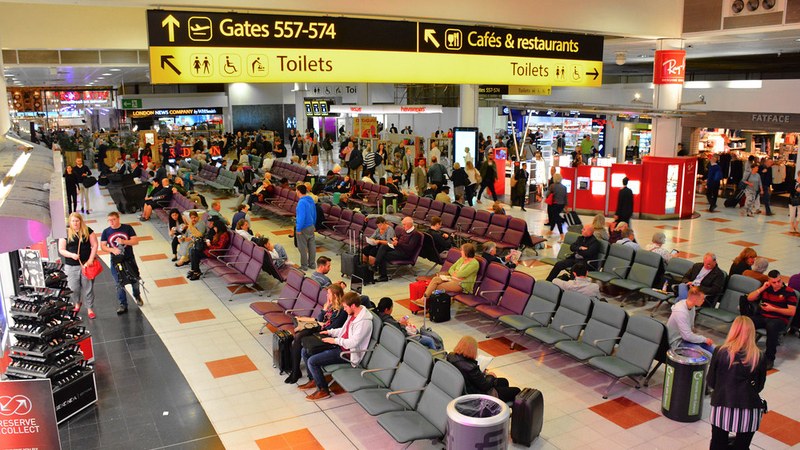
Atlanta Hartsfield-Jackson, known for handling vast passenger flows during peak periods, has seen intensified congestion this holiday. The surge has overwhelmed airport facilities and airline operations alike, resulting in longer wait times for travelers and cascading delays across subsequent flights.
With Delta operating significant hubs here, any delays have far-reaching consequences, impacting connecting flights
and schedules domestically and internationally. Travelers at Atlanta have faced extended terminal crowding and flight uncertainty amid the holiday rush.
New York JFK Flight Delays Affecting Northeast Travelers
As one of the primary entry points to the U.S. Northeast, New York JFK experienced substantial scheduling disturbances. Flight delays have been reported across multiple airlines, contributing to passenger disarray and potential disruption of onward connections.
The airport’s infrastructure and capacity strains during this period have compounded the challenges inherent to holiday travel. Additionally, travelers using JFK faced heightened uncertainty as airlines adjusted schedules in response to operational pressures.
Chicago O’Hare Airport Major Delays Amid Heavy Holiday Traffic
Chicago O’Hare, a central hub for both American and United Airlines,
registered significant flight disruptions over Memorial Day weekend. The combination of increased travel demand and logistical challenges resulted in delayed aircraft turnaround times and canceled departures.
Passengers caught in these delays have reported longer hold times and limited options for immediate rebooking, underlining the challenges airports face managing peak travel surges alongside limited resources.
Broader Context: U.S. Holiday Travel Delays and Passenger Experience
Holiday travel in the U.S. has historically been susceptible to delays caused by elevated passenger volumes and airline operational limits. Memorial Day weekend often sets the tone for summer travel patterns, making it a critical period for aviation stakeholders.
This year’s disruptions highlight ongoing capacity constraints
at major hubs and the complexities airlines and airports face in balancing schedules with staffing and infrastructure. While cancellations and delays are not uncommon during these periods, the widespread impact across multiple airports signals the increased pressure on the travel system.
Traveler Implications During Peak Holiday Period
Millions of travelers anticipated holiday departures or returns must navigate the unpredictability of flight schedules. Longer wait times, last-minute cancellations, and restricted rebooking options add strain to passenger plans, potentially affecting travel itineraries, accommodations, and ground transportation.
Business travelers and tourists alike have seen their Memorial Day weekend arrangements disrupted, underscoring the importance of flexibility and early preparation during
peak travel periods.
Preparedness and Future Outlook
Although specifics regarding mitigation efforts remain limited, the ongoing challenges emphasize the need for enhanced operational capacity planning ahead of peak travel weekends. Airlines and airports are under increasing pressure to manage resources efficiently and communicate clearly with affected passengers.
Travelers planning trips during forthcoming holidays are advised to remain vigilant for updates and allow additional time for airport processing amid sustained travel demand.