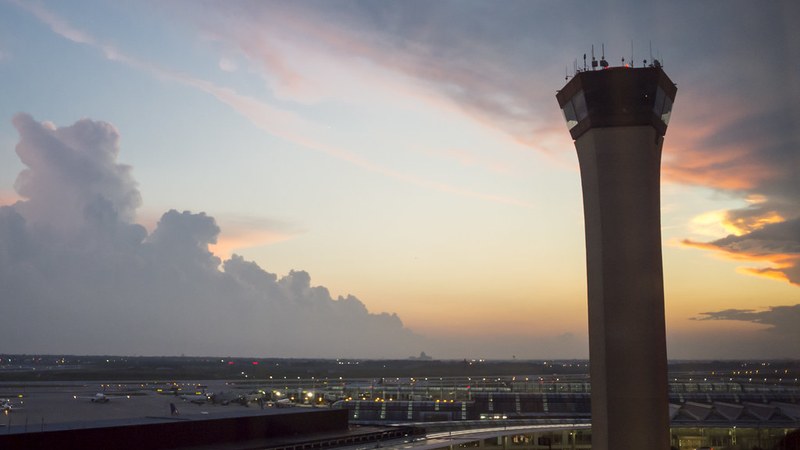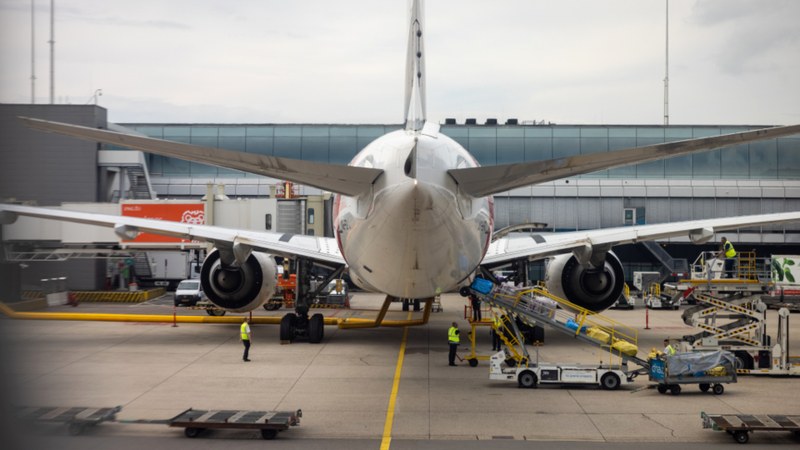
The Federal Aviation Administration (FAA) imposed a temporary ground stop on Saturday afternoon, July 12, 2026, at Hartsfield-Jackson Atlanta International Airport (ATL) due to thunderstorms affecting metro Atlanta and central Georgia. Departures from the airport were paused during the afternoon with the ground stop expected to last until at least 5 p.m. Eastern, though some sources noted extensions until 9 p.m. Eastern.
Arrivals en route to Atlanta were mostly allowed to proceed, but the halt in departures caused a buildup of outbound aircraft on the ground at origin cities, creating a ripple effect across airline networks. By early afternoon, more
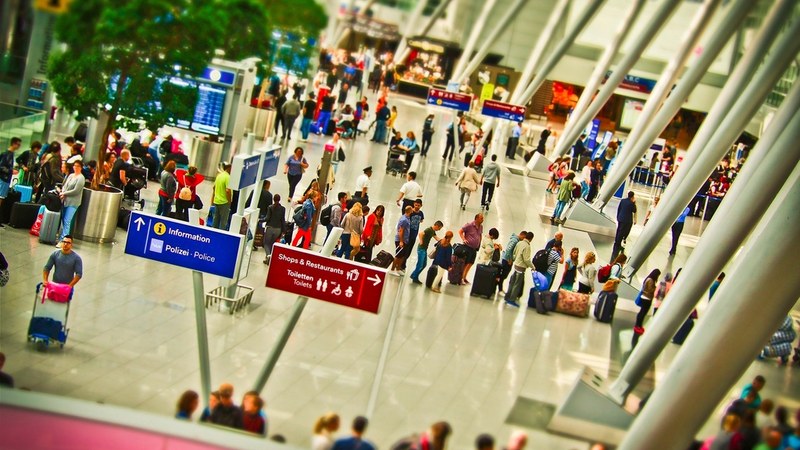
than 900 flight delays were reported with an average delay of 40 minutes and maximum delay reaching 75 minutes, according to FAA data. Airlines responded by rebooking affected passengers onto later flights or rerouting them through alternate hubs, while some routes faced cancellations. Travelers reported long waits both inside airport terminals and onboard planes waiting for revised clearance times at surrounding airports.
Weather and FAA Traffic Management
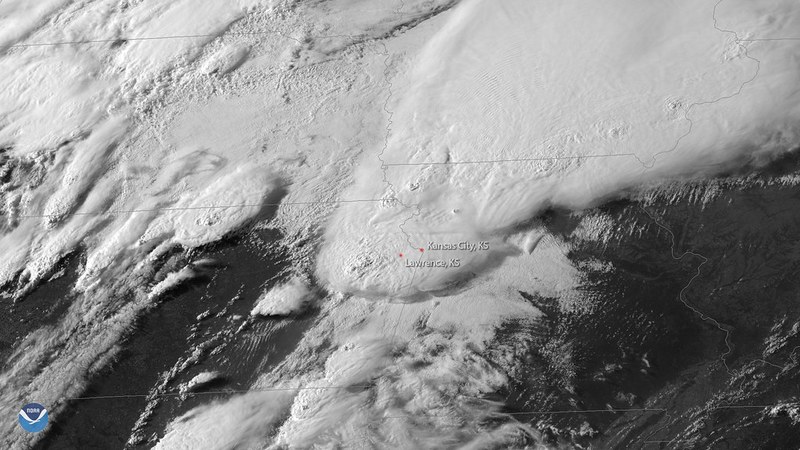
The ground stop resulted from persistent thunderstorms moving through the Atlanta area, causing unsafe and constrained conditions in the airspace and airport vicinity. Convective weather elements such as lightning, turbulence, and cloud buildups reduced air traffic sector capacity
in key approach and departure corridors used by ATL flights. The FAA uses ground stops as a traffic management tool to pause new departures bound for Atlanta, preventing congestion and extended holding patterns near dangerous storm cells. This preserves airspace safety and eases controller workload during periods of severe weather.
Passenger Disruptions and Operational Challenges
The ground stop disrupted schedules across the Southeast United States, particularly impacting passengers connecting through Atlanta to smaller Southeast and Midwest cities. Missed connections increased as aircraft rotations fell behind schedule, and crowded airport concourses and customer service lines were reported. Despite the lifting of the ground stop in late
afternoon, airlines faced a surge in demand for takeoff and landing slots. This led to congestion on taxiways and at gates, extending delays into the evening. Crew duty limits and aircraft maintenance requirements further complicated recovery efforts.
Summer Thunderstorm Risks Persist
July’s combination of high heat, humidity, and convective storm patterns in metro Atlanta is typical of mid-summer conditions that frequently disrupt air traffic. Similar weather-driven ground stops have affected other major eastern U.S. hubs in the same week. Meteorologists emphasize that even isolated thunderstorms near busy corridors can force reroutes and traffic flow restrictions. These weather-related delays are expected to continue affecting flights
into and out of the Southeast throughout the peak summer travel season.