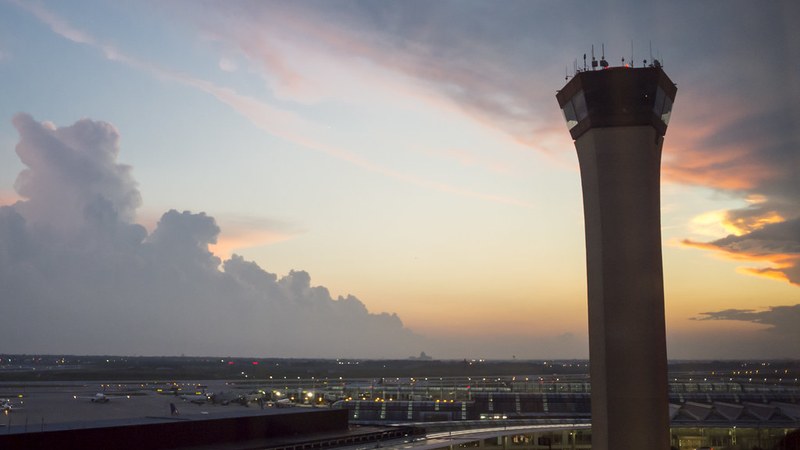
The Federal Aviation Administration (FAA) imposed a temporary ground stop at Hartsfield-Jackson Atlanta International Airport on July 12, 2026, to address safety concerns from thunderstorms affecting the airport’s operations. This ground stop paused departures destined for Atlanta, holding some flights at their points of origin until weather conditions improved.
Flight and Passenger Disruptions from Ground Stop
The ground stop, active during Saturday afternoon into the late afternoon with some reports citing an end time after 5 p.m. Eastern, led to significant operational impacts. Departures bound for Atlanta experienced delays, contributing to a buildup of grounded aircraft in other cities. Incoming flights already airborne were generally permitted to
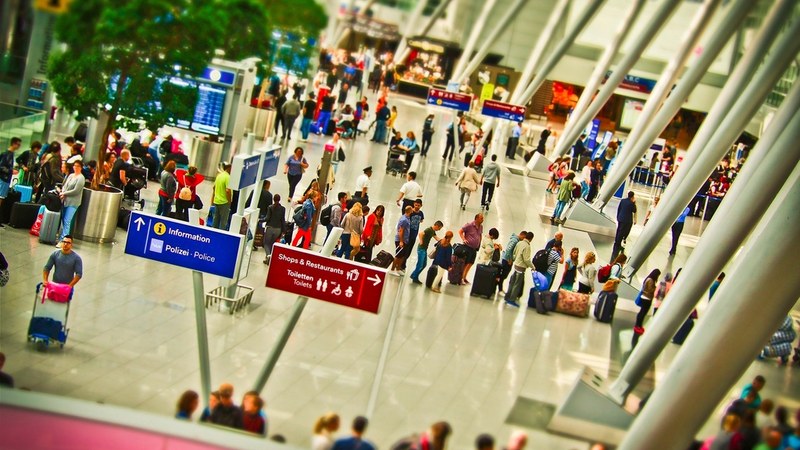
continue to the airport. Due to this pause in departures, passenger wait times increased both in aircraft on the ground and inside terminals at origin and arrival airports, with delays and cancellations interrupting connections, particularly to smaller Southeast and Midwest cities that rely on Atlanta as a hub.
Weather Patterns Driving the Ground Stop
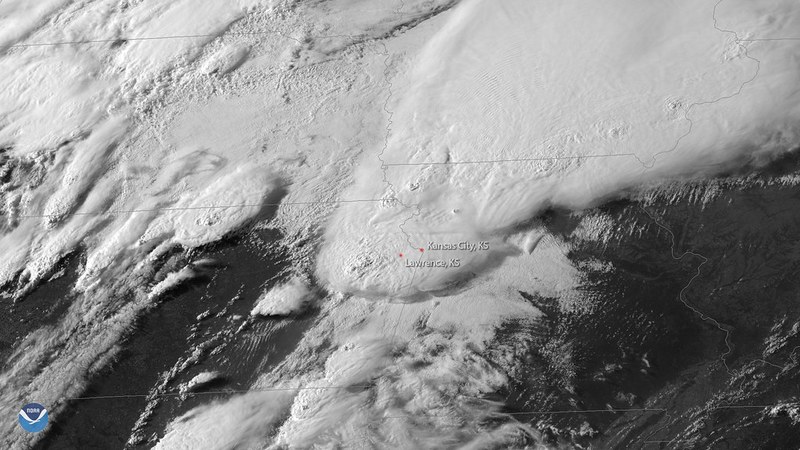
The FAA’s ground stop was triggered by severe thunderstorms affecting metro Atlanta, central Georgia, and the surrounding airspace. Convective weather along crucial arrival and departure routes reduces the capacity for safe aircraft handling due to factors including lightning, turbulence, and rapidly changing conditions. Such storms limit the use of narrow approach and
departure corridors, prompting air traffic controllers to restrict inbound flights temporarily to avoid airspace congestion and extended holding patterns near hazardous weather cells.
Seasonal Context and Regional Weather Impact
The thunderstorm activity is part of a strong, slow-moving weather pattern commonly seen in mid-summer across the Southeast. Accompanied by heat and humidity, these storms produce sudden downpours, frequent lightning, and localized severe weather. Similar disruptions from thunderstorms have occurred at other major eastern U.S. hubs this week, with pop-up weather events affecting peak travel periods. Analysts anticipate that such flow restrictions and intermittent delays will continue through the coming days in the region.
Post-Ground Stop Operations and Traveler Considerations
Once the ground
stop lifts, airlines typically face a surge in demand for takeoff and landing slots at Hartsfield-Jackson, often causing prolonged gate and taxiway congestion. Delayed aircraft and repositioning challenges involving crews and maintenance add to the complexity of returning schedules to normal. Passengers affected by this ground stop experienced long lines, missed connections, and rescheduling efforts. Travelers passing through Atlanta are encouraged to monitor flight statuses closely and use airline digital tools for real-time updates and rebooking options during periods of unsettled weather and high demand.