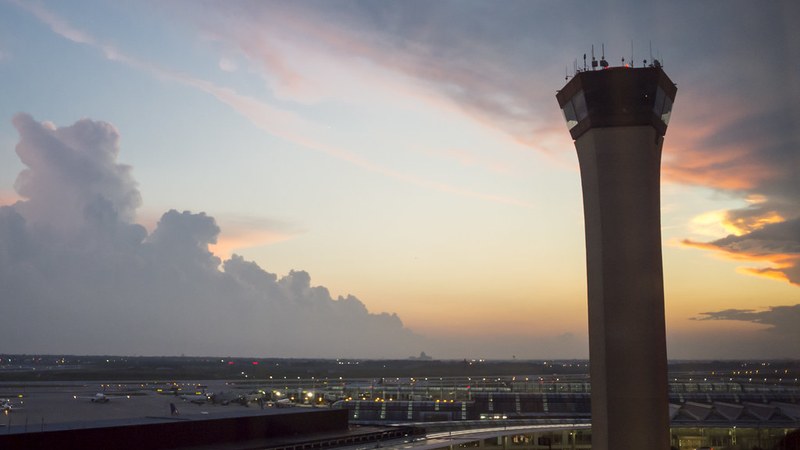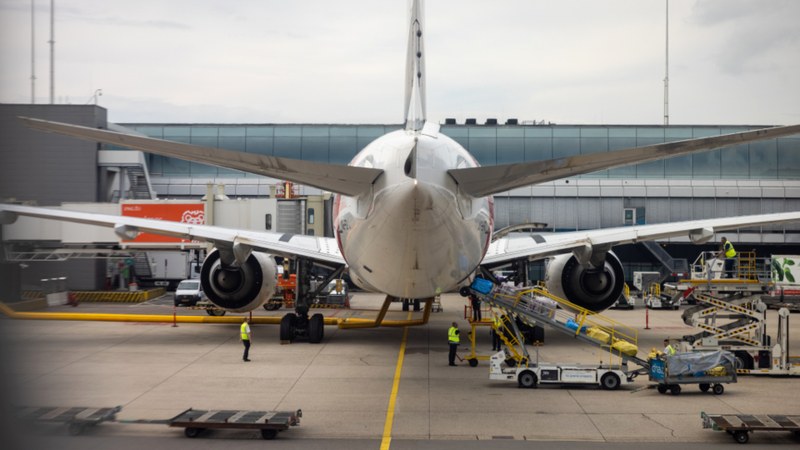
On Saturday, July 11, 2026, the Federal Aviation Administration (FAA) imposed a temporary ground stop at Hartsfield-Jackson Atlanta International Airport due to thunderstorms, pausing departures for several hours during the afternoon peak period. The restriction applied to flights destined for Atlanta, leaving aircraft at their origin airports until weather conditions improved, with the ground stop expected to last at least until 5 p.m. Eastern.
Weather Conditions and FAA Safety Measures
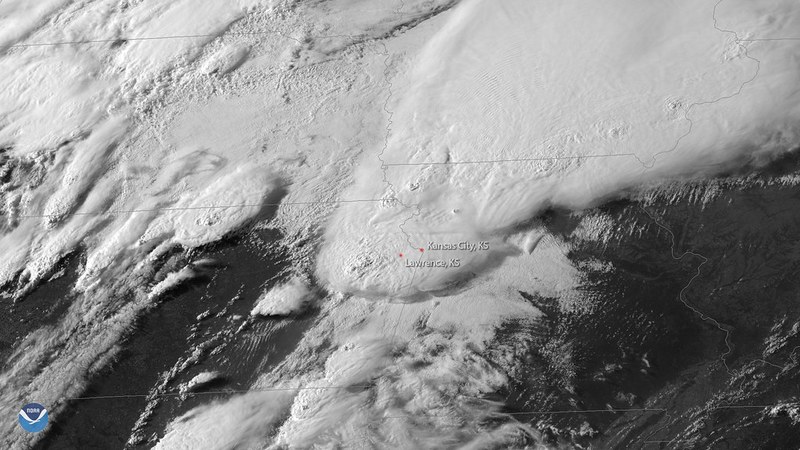
Thunderstorms moving through metro Atlanta and central Georgia created unsafe airport and airspace conditions, prompting the FAA to take action to prevent congestion and extended holding patterns near hazardous weather. These summer storms are part of
a recurring pattern of hot, humid days accompanied by scattered strong thunderstorms across the Southeast United States.
Ground stops are a traffic management tool the FAA uses when airport capacity is severely limited by convective weather. By temporarily halting departures bound for the affected airport, the FAA aims to reduce airspace saturation along critical approach and departure corridors, which funnel hundreds of flights daily through hubs such as Hartsfield-Jackson.
Arriving flights already in the air were generally permitted to continue to Atlanta, while the pause on new departures limited additional traffic that could overwhelm controllers and increase risk.
Passenger Delays, Cancellations, and Rebooking
The ground
stop caused mounting delays and scattered flight cancellations affecting routes connected to Atlanta. Airlines responded by rebooking some passengers onto later services or alternate routes through other hubs to reduce disruption.
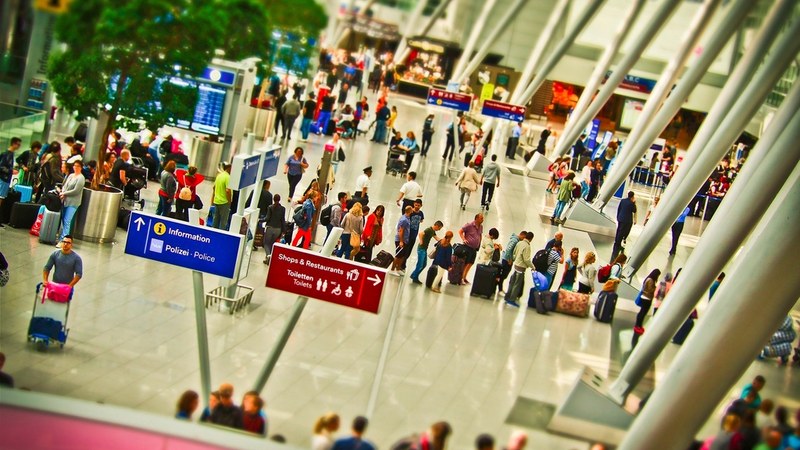
Travelers reported long waits both in concourses at Hartsfield-Jackson and aboard aircraft at other airports, with some missing connections to smaller Southeast and Midwest cities reliant on Atlanta for transfers. Airlines frequently offer free same-day changes during such weather events to accommodate passengers.
Hartsfield-Jackson’s Role in Network Disruptions
As the world’s busiest airport and a major connecting hub for domestic and international flights, any disruption at Hartsfield-Jackson quickly spreads through airline networks. Departures delayed
by the ground stop contributed to backlog issues that affected fleets and crew rotations nationwide.
Similar thunderstorm-induced disruptions have recently affected other key hubs in the eastern U.S., producing rolling delays across the Southeast air traffic network.
Post-Ground Stop Challenges
After lifting the ground stop, airlines face high demand for takeoff and landing slots as delayed flights attempt to catch up. This surge creates congestion on taxiways and at gates, extending the disruption even as weather conditions improve.
Operational setbacks are compounded by aircraft and crew positioning issues combined with regulatory duty limits and maintenance requirements, which constrain how quickly normal schedules can
resume.
Travelers passing through Atlanta during intense summer thunderstorms should expect potential delays and continued adjustments as air traffic management adapts to evolving weather.