Hantavirus Cases on Rotterdam Docked Cruise Ship Spur Immediate Response
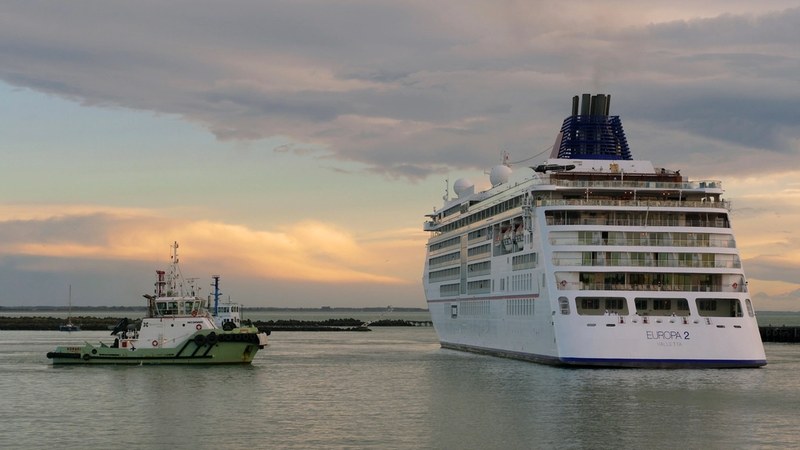
Recent confirmation of hantavirus cases aboard a cruise ship docked at the Rotterdam port has led to swift public health interventions, including extensive disinfection protocols and quarantine directives. While the source of the outbreak remains under investigation, officials have prioritized containment measures to mitigate further transmission risks.
Rotterdam authorities coordinated with international health agencies to implement enhanced sanitation procedures on the vessel, aiming to limit viral persistence and safeguard subsequent travelers and port personnel. These efforts are part of broader preventive actions reflective of heightened global sensitivity to infectious disease threats in maritime environments.
US Health Authorities Enforce Passenger Quarantine Amid Cruise Health Alert
In response to the outbreak, U.S.
health officials have mandated quarantine for two passengers identified as originating from the affected cruise ship. These individuals are currently undergoing isolation measures consistent with established protocols for managing hantavirus exposure risks.
The quarantine enforcement serves as a precautionary step within a framework of U.S. passenger screening and monitoring, designed to curtail potential domestic spread. Advisory notices have been issued to travelers returning from the Rotterdam docking, emphasizing vigilance and compliance with public health guidance.
Global Travel Safety and Implications for American Cruise Passengers
The outbreak and ensuing measures highlight ongoing challenges in ensuring global travel safety amid emerging infections. American cruise passengers planning voyages involving European or international
ports should anticipate possible health screenings, delayed departures, and quarantine contingencies influenced by evolving epidemiological situations.
Cruise operators and travel providers are intensifying sanitary protocols, including terminal and onboard disinfection processes, to rebuild traveler confidence and align with international health standards. This incident underscores the critical role of collaboration between maritime authorities, global health bodies, and destination countries in maintaining safety within the cruise sector.
While the full extent of the outbreak remains unclear, industry stakeholders advise passengers to stay informed through official communication channels and prepare for potential itinerary adjustments. Travelers are encouraged to exercise enhanced health precautions and
familiarize themselves with quarantine criteria implemented by relevant authorities.
As global travel gradually resumes its trajectory, such health alerts reaffirm the necessity for adaptable safety frameworks responsive to infectious threats, ensuring the welfare of international tourists and crew members alike.