Understanding the Context of Hantavirus in Argentina’s Remote South
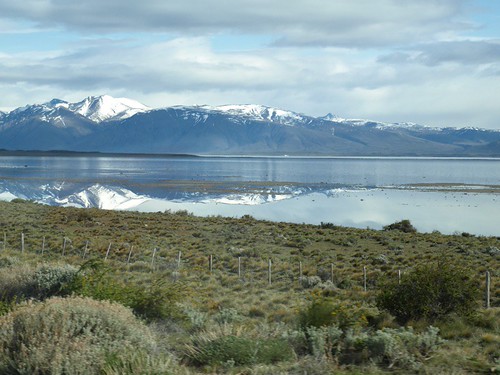
Health concerns surrounding hantavirus in Argentina’s southernmost regions have recently come under increased scrutiny. Known for its vast and dramatic landscapes, Patagonia is often labeled the ‘end of the world’ destination, attracting adventurous travelers seeking remote and pristine environments. However, reports of hantavirus cases in isolated areas have raised potential risks for tourists, particularly those from the United States planning trips in 2026.
Geographic and Environmental Factors in Patagonia
The region’s remoteness and natural wilderness, while central to its tourism appeal, also create unique environmental conditions where rodent-borne diseases such as hantavirus may occur. Dense forests, mountain ranges, and rural settlements are dispersed across large distances,
complicating public health monitoring and accessibility. Visitors engaging in outdoor activities such as hiking, camping, and exploring rural communities may encounter environmental risk factors associated with hantavirus transmission.
Implications for U.S. Travelers Considering Patagonia Trips
American tourists traditionally make up a significant proportion of international visitors to Argentina’s southern provinces. With heightened awareness of health risks, there is an observable impact on traveler behavior and destination perceptions. While no official travel restrictions have been announced, experts emphasize the importance of staying informed about ongoing health advisories when planning trips to these remote destinations.
Health Warnings and Precautionary Measures
Health authorities in Argentina have issued warnings aimed at minimizing exposure risk, advising tourists
to avoid contact with rodents and take preventive steps in outdoor environments. Measures typically include sleeping in rodent-free areas, keeping food sealed, and maintaining hygiene in camping settings. U.S. travelers are encouraged to review these guidelines closely and consult with health professionals before departure.
Patagonia Tourism Risks: A Balanced View
While the hantavirus threat is a valid concern, it is important to contextualize the overall risk within the region’s broader tourism ecosystem. Incidences remain sporadic and generally concentrated in specific rural zones. Tourism operators in Patagonia have also increased health safety protocols and informational outreach to help mitigate risks without deterring visitation entirely.
Adventure tourism is
a significant economic driver in these areas, and many travelers continue to pursue Patagonia experiences with appropriate caution. Observing established health measures allows visitors to responsibly explore the region’s natural beauty while minimizing potential exposure.
Destination Appeal Despite Challenges
The ‘end of the world’ label remains a powerful draw for international travelers motivated by unique landscapes and cultural encounters. From glaciers and fjords to remote national parks, southern Argentina’s destinations offer experiences difficult to replicate elsewhere. This appeal sustains traveler interest despite emerging health-related news.
Tourism authorities and local communities remain attentive to balancing visitor attraction with health safety priorities. Continued monitoring and transparent
communication have become key aspects of maintaining confidence in the destination.
Looking Ahead: What Travelers and Industry Stakeholders Should Consider
For U.S. travelers planning Patagonia journeys in 2026, staying updated on health advisories and practicing recommended precautions will be essential. Engaging with reputable tour operators and official sources can provide current information and support informed decision-making.
Tourism stakeholders are also adapting strategies to address potential impacts from hantavirus concerns, reinforcing on-the-ground health protocols and reinforcing traveler education. This dynamic situation underscores the importance of vigilance and adaptability within the travel sector for destinations with complex health environments.
Summary of the Emerging Travel Landscape in Southern Argentina
In summary, the hantavirus situation in Argentina’s remote southern regions introduces a
notable element of health risk that U.S. tourists should recognize when considering Patagonia trips. While the natural grandeur and appeal of the ‘end of the world’ remain strong, the tourism industry and travelers alike are navigating a cautiously evolving landscape. Staying informed and prepared will enable travelers to balance expeditionary aspirations with appropriate safety measures in this extraordinary part of the world.