Italy’s Tourism Landscape Amid Broader 2026 Demand
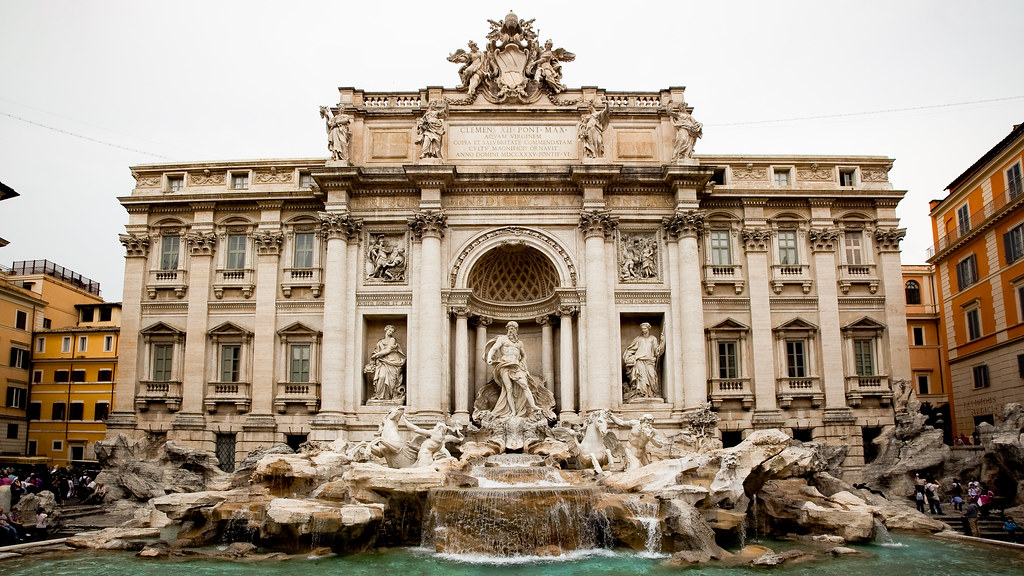
Italy is experiencing a significant increase in tourism demand in 2026, reflecting a broader global trend towards cultural and experiential travel. This surge is particularly notable among visitors from the United States, who continue to show strong interest in Italy’s historic landmarks and renowned destinations.
While the destination’s popularity contributes positively to its economy, the intensification of visitors presents challenges for destination management and infrastructure resilience.
Infrastructure Pressures Across Key Italian Destinations
The influx of tourists in 2026 is exerting noticeable pressure on critical infrastructure throughout Italy. Iconic cities such as Rome, Venice, and Florence are confronting congestion issues, particularly at major tourist sites and transportation
hubs.
Public transit, accommodation capacities, and local services are under strain as they adapt to handle growing volumes of travelers. For U.S. visitors, this translates to potential overcrowding and delays in accessing well-known landmarks.
Tourism Growth and Sustainability Challenges
Alongside infrastructure concerns, sustainable tourism has become an increasingly complex issue in Italy amid the tourism boom. The environmental footprint of large tourism flows is under scrutiny, with challenges ranging from waste management to preserving fragile historical sites.
Efforts to balance visitor demand with preservation goals are underway, but the rapid pace of growth testing these initiatives means that sustainability considerations are now intrinsic to travel
planning.
Implications for U.S. Visitors to Italy
American travelers planning trips to Italy in 2026 should be prepared for altered travel dynamics due to the surge in numbers. Overcrowded landmarks and heightened demand may impact the quality of visitor experiences.
Cost pressures are also a potential consequence as local economics adjust to increased tourist spending. Additionally, sustainability-focused regulations or access limitations could affect itineraries and site availability.
Planning for Travel Adaptability
Flexibility in travel plans and early booking are advisable strategies for U.S. visitors aiming to optimize their 2026 Italy itineraries. Engaging with local operators who emphasize responsible tourism can also contribute to mitigating some of the sustainability challenges faced
on the ground.
Local and Destination Context Within Italy’s Growing Popularity
Italy’s enduring appeal lies not only in its historical and artistic heritage but also in its natural landscapes and gastronomic culture. The current tourism boom reflects these diverse interests but underscores the delicate balance between welcoming visitors and protecting destination assets.
Understanding this wider context helps frame why the infrastructural and environmental issues have become more pronounced as visitor numbers rise.
Looking Ahead: Tourism Evolution in Italy Post-2026
While specific future policies or visitor statistics remain undisclosed, the ongoing challenges signal a pivotal moment for Italy’s tourism sector. How Italy manages this boom will likely influence the sustainability and quality of travel for years
to come, especially for markets with high interest such as the United States.