Intensified Health Protocols at Rotterdam Port in Response to Hantavirus Discovery
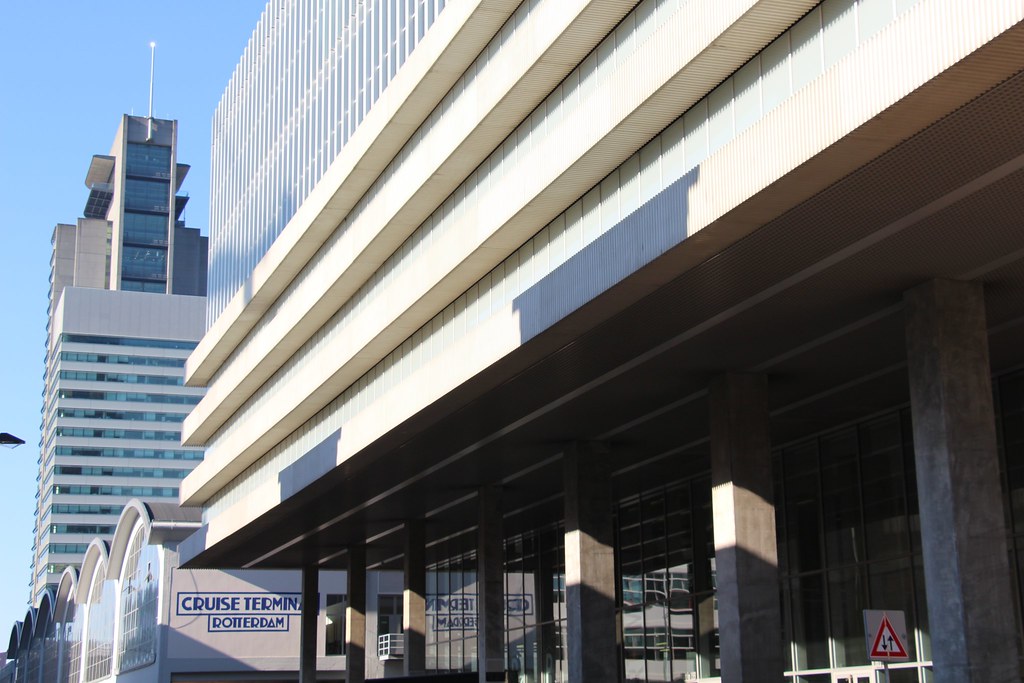
Rotterdam port authorities have escalated health and safety procedures after a cruise ship docked at the port reported a hantavirus outbreak. This development has prompted mandatory disinfection and more thorough health inspections at one of Europe’s busiest cruise terminals.
The port’s response aims to curb any potential transmission of the virus among passengers and crew, safeguarding public health while maintaining operational continuity. Several measures, including enhanced sanitation protocols and more frequent screenings, have been implemented at Rotterdam to mitigate further risks.
Implications for U.S. Travelers on Global Cruise Itineraries
U.S. voyagers planning cruises that include Rotterdam or other major European ports should prepare for potential itinerary adjustments or
delays linked to intensified health measures. Cruise lines may modify embarkation or disembarkation processes, extending turnaround times to allow for comprehensive vessel disinfecting.
These steps, although possibly inconvenient, are designed to enhance traveler safety and align with emerging global cruise health protocol trends. Staying informed with official cruise line communications and port announcements will be crucial for passengers to navigate evolving health requirements smoothly.
Overview of Hantavirus and Cruise Health Protocols
Hantavirus, generally transmitted through exposure to infected rodent excreta, is rare aboard cruise ships but necessitates swift containment actions due to its serious health implications.
Ports like Rotterdam have reinforced sanitation and inspection routines, reflecting the
cruise industry’s broader commitment to rigorous health safeguards post-pandemic. These protocols are part of multi-layered strategies focusing on pathogen containment, passenger health screening, and environmental hygiene.
Operational Impact on Cruise Industry and Tourism Business
The intensified sanitation and inspection measures at Rotterdam may lead to operational adjustments affecting cruise schedules and port services. Cruise operators are coordinating closely with port authorities to comply with the updated requirements while minimizing disruption to itineraries.
Such developments emphasize the growing emphasis on global cruise safety mechanisms and the need for agile management practices within the sector. Tourism businesses linked to cruise operations, including local suppliers and excursion providers, may also experience
ripple effects as cruise timelines adapt to enhanced health frameworks.
Global Cruise Safety: A Heightened Priority After Emerging Health Concerns
This recent hantavirus event reiterates the importance of vigilant global cruise safety management. Ports worldwide, including Rotterdam, are expected to sustain rigorous health surveillance and adopt advanced disinfection technologies.
Passengers worldwide must recognize that cruise health protocols are continually evolving in response to new information about infectious diseases. Collaborative efforts between port authorities, cruise lines, and international health agencies remain essential to maintaining safe and enjoyable cruising experiences.
Looking Ahead: Preparing for Safer Cruise Experiences
While the full scope of impacts from the current hantavirus situation remains developing, Rotterdam’s enhanced measures highlight the cruise industry’s commitment to
passenger well-being and disease prevention.
U.S. travelers are advised to monitor official updates from cruise operators and port health authorities before and during their voyages. Adhering to these protocols contributes to collective health security and supports a resilient global cruise sector moving forward.