Flight Delay Surge Hits Record Levels at U.S. Airports in 2026
The United States is experiencing a significant increase in flight delays in 2026, reaching levels not seen in the past decade. This surge in disruptions marks a challenging period for the country’s airports, airlines, and most importantly, passengers.
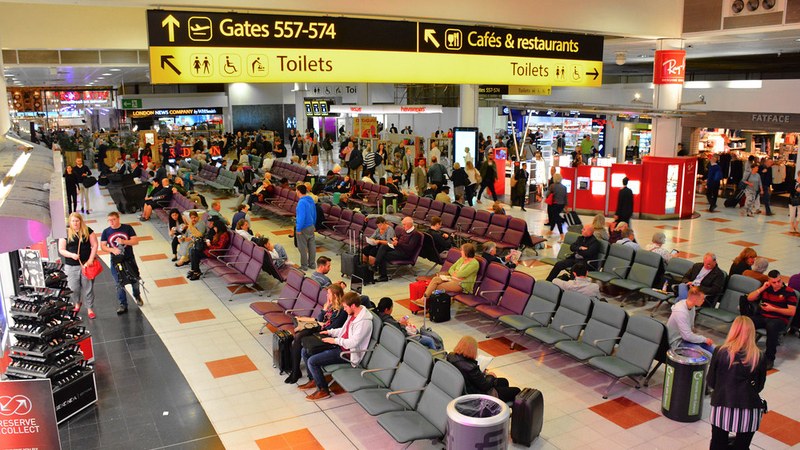
Across major hubs and regional airports alike, travelers have reported widespread delays impacting both domestic and connecting flights. Many passengers face extended waiting times and uncertainty, contributing to a rising tide of frustration throughout the air travel community.
Consumer Frustration Grows Amid Ongoing Air Travel Disruptions
The steady uptick in delayed departures has exacerbated concerns among American air travelers. Reports suggest that holiday and summer travel seasons are particularly affected,
amplifying stress during peak flying periods.
Delays often cause ripple effects beyond the immediate inconvenience, including missed connections and altered plans. For many passengers, these challenges have led to renewed calls for more transparency and improved communication from carriers and airport authorities.
Although specific statistics per airport remain unavailable, the overall trend indicates a pressure point in the U.S. aviation system that is impacting traveler satisfaction significantly.
Planning Ahead: Tips for Navigating Flight Delays in 2026
Given the ongoing flight delay surge, travelers are advised to adopt proactive strategies when booking and managing their itineraries. Anticipating longer wait times at airports could minimize the disruption to travel plans.
Experts
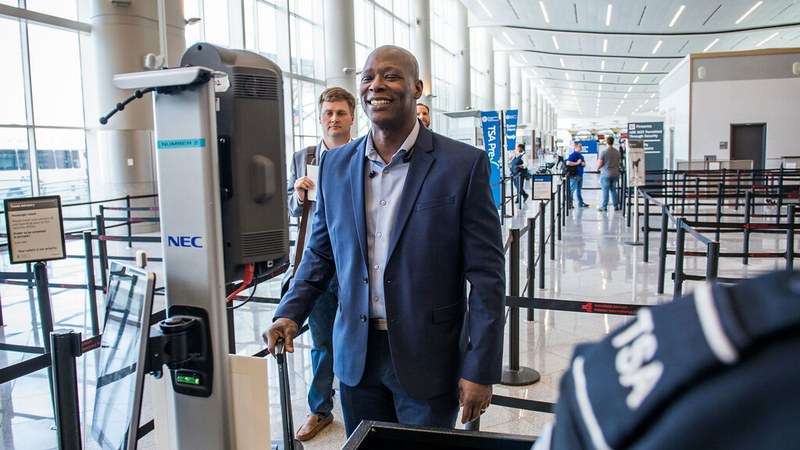
recommend allowing extra buffer time between connecting flights and staying updated on flight status through airline apps or airport display boards. Early arrival at terminals is also advisable to account for potential bottlenecks in security and boarding processes.
Travelers should consider travel insurance or flexible ticket options where possible, providing some protection against unplanned cancellations or reschedules.
Looking Ahead: Implications for U.S. Air Travel
This decade-high flight delay surge highlights ongoing challenges at U.S. airports that warrant industry and policy attention. While it remains unclear which factors are primarily responsible, the cumulative impact on demand and service quality is unmistakable.
Airports and airlines face pressure to improve
operational resilience, enhance traveler communication, and manage capacity more effectively as demand shifts in the coming months and beyond. For now, passengers are urged to remain vigilant in their travel preparations and stay informed of evolving conditions.
As the summer season and major holidays approach, the travel industry will be closely monitoring whether these trends persist or ease, adjusting strategies accordingly to support consumers navigating an increasingly complex air travel environment.