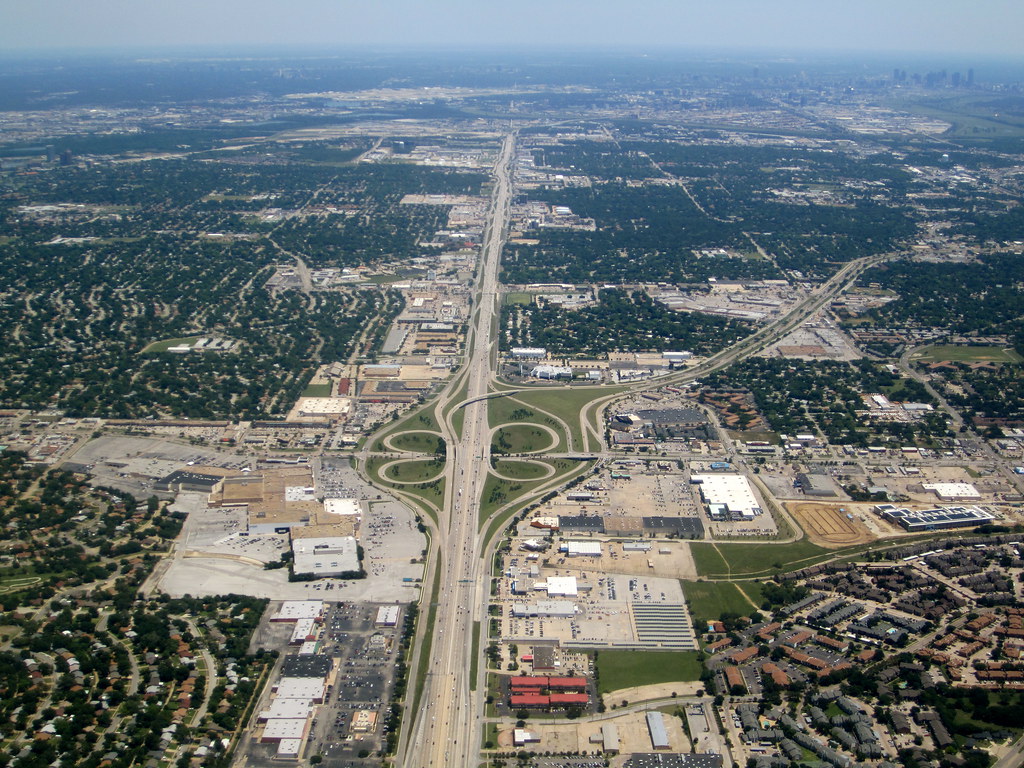
Reviving High-Speed Rail Talks in Dallas
Recent developments have seen U.S. transportation officials resume negotiations focused on high-speed rail routes impacting the Dallas area in Texas. These discussions revisit a pivotal aspect of American rail transport planning, highlighting efforts to enhance rail infrastructure development within a key regional market.
Although specifics on negotiation outcomes or timelines remain undisclosed, the initiative signals a firm governmental commitment to exploring rail connectivity options that may benefit the Dallas metropolitan region and beyond.
Context of Dallas in Texas Rail Infrastructure
Dallas serves as a major transportation hub in Texas, a state with expansive geography that challenges efficient connectivity by traditional travel modes. The Texas rail route under
consideration might revitalize state transportation capabilities by offering faster and more sustainable options for intercity travel.
The strategic importance of Dallas lies in its role as a nexus for business, tourism, and commuter flows, making it a prime candidate for enhancements in rail infrastructure that accommodate high-speed travel ambitions.
Implications for U.S. Transportation and Rail Development
Renewed high-speed rail negotiations align with broader U.S. transportation agendas aiming to modernize and expand intercity rail networks. The process reflects ongoing efforts to balance infrastructure investment priorities while addressing increasing demand for efficient transit solutions in rapidly growing urban centers.
Enhancement of rail infrastructure through these discussions could serve as
a catalyst for similar projects nationwide, fostering an interconnected system supportive of both regional commuters and long-distance travelers.
Potential Benefits for Travelers and Commuters
For daily commuters and travelers in the Dallas area and surrounding regions, prospective high-speed rail options might offer significant advantages. These include reduced travel times, greater reliability compared to road transport, and integration with existing transit systems.
Such developments could expand travel choices and reshape commuting patterns, potentially easing congestion on roads and reducing environmental impact associated with car travel.
Enhanced Connectivity and Economic Opportunities
Improved rail connectivity can stimulate economic growth by facilitating faster business travel and tourism within Texas. Additionally, high-speed rail infrastructure may attract
investments in related sectors including real estate, retail, and services positioned around transit nodes.
Challenges and Considerations in Rail Infrastructure Development
While the negotiations mark progress, large-scale rail projects typically encounter challenges such as funding allocation, regulatory approvals, and community engagement. Ensuring alignment between diverse stakeholders will be critical to moving any plans beyond conceptual stages.
Moreover, integrating new high-speed rail routes with existing transportation networks requires careful planning to maximize operational efficiency and passenger convenience.
Looking Ahead: What Travelers Should Keep in Mind
At this stage, travelers and commuters are advised to monitor updates from official sources for announcements on route development and project timelines. Awareness of negotiations underscores a potential future where new
rail options enhance regional mobility, though concrete benefits depend on the outcomes of ongoing discussions.
In summary, the resumption of high-speed rail negotiations involving Dallas signals a noteworthy phase in U.S. transportation planning, centering around upgrading Texas’ rail infrastructure with meaningful implications for the traveling public.