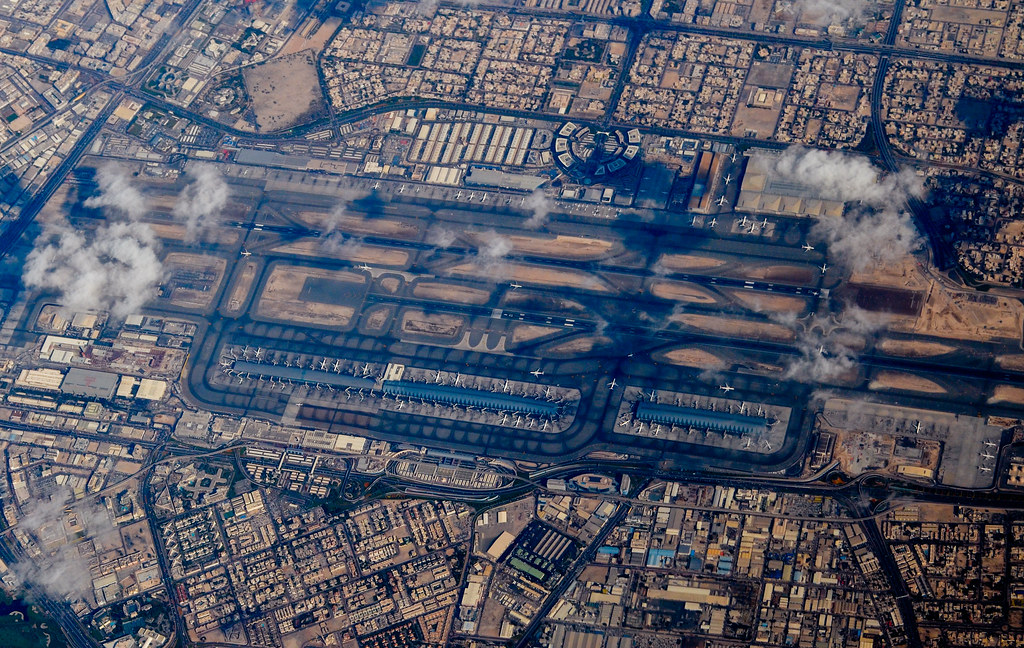
Middle East Flight Disruptions Impact Key Hubs Like Dubai International Airport
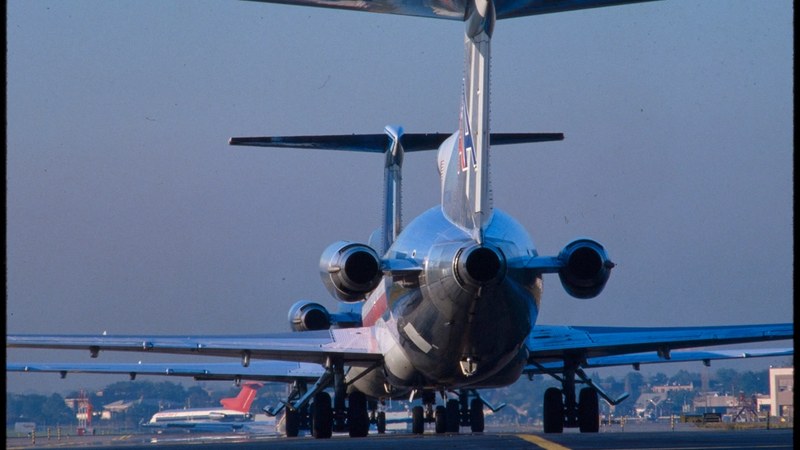
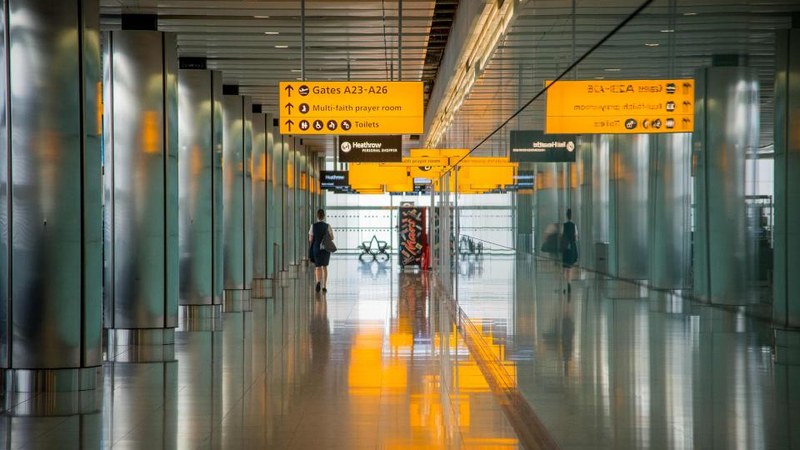
Ongoing hostilities linked to the US-Iran conflict are causing significant flight disruptions at major Middle Eastern aviation centers, notably Dubai International Airport. The airport, a pivotal hub connecting global air traffic, has experienced numerous cancellations and delays affecting a broad spectrum of airlines. These operational challenges are influencing flight schedules in a region traditionally known for its robust air travel network.
Both Emirates and Flydubai, prominent carriers headquartered in Dubai, are among the airlines impacted by these disruptions. The interruptions have ripple effects extending beyond the immediate region, influencing interconnected global routes and impacting travelers from the United States and
elsewhere.
US Travelers Face Growing Uncertainty Amid Regional Aviation Challenges
American tourists and business travelers planning to transit through or visit destinations in the Middle East should anticipate possible complications. Flight delays and cancellations at leading airports pose logistical challenges and necessitate heightened awareness.
Passengers departing from or connecting through Dubai and other Middle East airports are advised to monitor airline communications closely. Staying informed about flight status changes can be crucial amid the evolving security and operational landscape in the region.
Why These Middle East Aviation Disruptions Matter
The ongoing Middle East flight disruptions serve as a reminder of how geopolitical tensions can swiftly affect global travel infrastructure. Dubai International Airport, a critical node for
intercontinental flights, operates as a central connecting point for thousands of travelers daily, including American passengers.
Interruptions here have broader implications for international airlines and the worldwide travel ecosystem. Airlines such as Emirates and Flydubai, which play key roles in linking east and west, face logistical challenges that can cascade across flight networks, affecting schedules and passenger experiences on a global scale.
Avoiding Travel Interruptions: Guidance for Passengers and Airlines
Given the unpredictability surrounding the geopolitical situation, travelers are encouraged to maintain flexibility in travel plans. Adjustments may be necessary on short notice due to operational constraints tied to safety precautions or fluctuating regional conditions.
International airlines operating
in the Middle East are also likely to implement contingency measures. Airlines and travelers both should prioritize communication and contingency planning to mitigate disruption impacts.
American travelers, in particular, should reference advisories issued by relevant government and airline authorities. Regularly checking for updates from Emirates, Flydubai, and official airport sources will be essential to navigating current travel challenges.