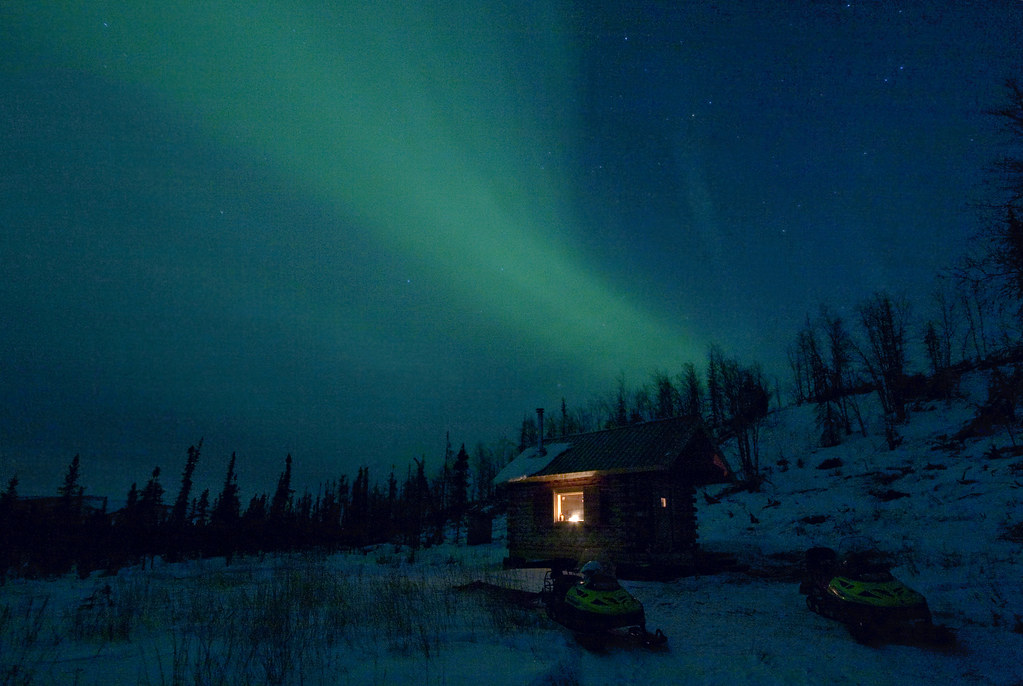
The Rising Popularity of Astrotourism Among Gen Z Travelers
In 2026, astrotourism has gained considerable momentum, particularly among Gen Z travelers in the United States. This segment’s growing interest in cosmic tourism reflects a broader shift toward experiential travel that engages young tourists with immersive, nature-based activities. The allure of stargazing, night sky conservation, and dark sky destinations has transformed astrotourism into a compelling niche within the broader landscape of travel trends.
Understanding the U.S. Cosmic Tourism Trend
The U.S. boasts numerous locations known for their exceptional night skies, which provide natural settings for astrotourism experiences. With young American tourists increasingly seeking deeper connections with nature and the cosmos, destinations that offer clear, pollution-free skies
are becoming more attractive. Although specific destination rankings and participant numbers are not yet fully quantified, industry observations affirm a steady growth in the U.S. cosmic tourism market.
Why Astrotourism Appeals to Gen Z
Gen Z travelers tend to favor experiential travel that combines education, adventure, and authenticity. Astrotourism fits this profile by offering opportunities to learn about astronomy and environmental conservation while enjoying unique outdoor experiences. The immersive quality of stargazing tours and cosmic-themed activities aligns well with Gen Z’s preference for meaningful travel that fosters personal growth and connection.
Experiential Travel Trends Shaping 2026
The broader travel industry in 2026 sees elevated interest in experience-driven tourism, with astrotourism standing
out due to its combination of science, nature, and accessibility. This trend reflects a shift away from traditional sightseeing, as younger travelers seek interactions that provide memorable sensory engagement and educational value.
Impacts on the U.S. Travel and Tourism Sector
The surge in astrotourism interest among Gen Z presents new opportunities for American travel providers to develop specialized offerings. Tour operators, national parks, and conservation organizations are increasingly incorporating night sky experiences into their programs to cater to this demand. This niche also encourages sustainable practices due to the focus on dark sky preservation and environmental awareness.
Destination Context: Leveraging Dark Sky Areas
While precise destination popularity remains unspecified, many U.S. regions with protected
natural reserves and low light pollution are prime candidates to capture this market. These areas benefit from conservation efforts that maintain optimal viewing conditions, appealing not only to astrophysics enthusiasts but also to travelers seeking tranquil escapes. The integration of astrotourism can bolster local economies while promoting environmental stewardship.
Preparing Gen Z Travelers for Astrotourism Adventures
U.S.-based Gen Z tourists interested in astrotourism should consider factors like timing, weather, and light pollution when planning trips. Many destinations offer guided tours and educational programs to enhance the stargazing experience. Travelers are also encouraged to respect natural habitats and participate in conservation initiatives where possible, aligning their travel choices
with environmental sustainability.
Looking Ahead: Astrotourism’s Role in Future Travel
As astrotourism continues to capture the interest of young American travelers, it is likely to become a more prominent fixture in experiential travel portfolios. The combination of educational, environmental, and recreational elements positions this trend to influence tourism development strategies and inspire innovative travel products. Monitoring how this niche evolves will be critical for stakeholders aiming to engage the Gen Z demographic effectively.