Ongoing Flight Delays and Cancellations Impacting Chicago O’Hare Hub
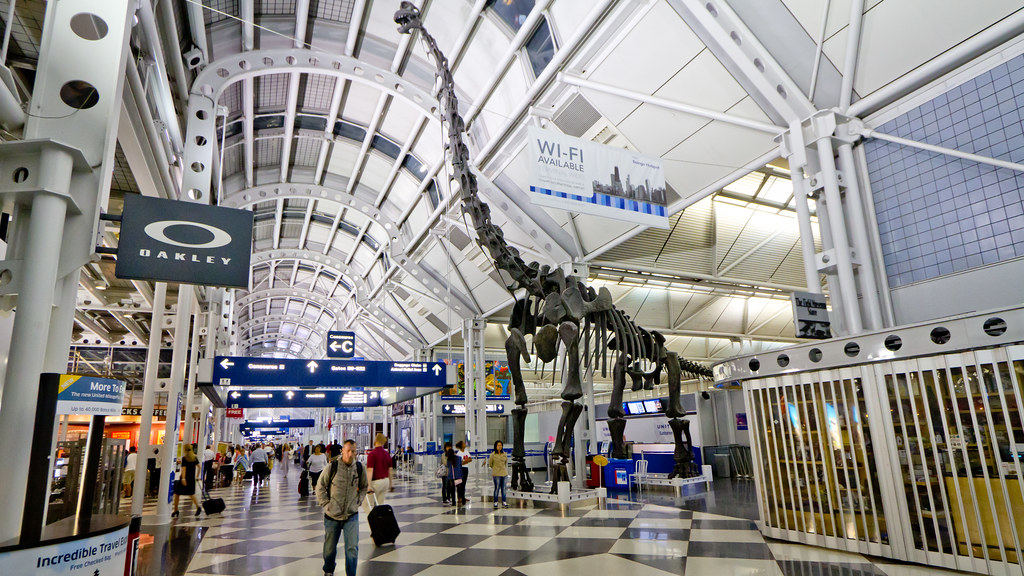
Chicago O’Hare International Airport has experienced a significant number of flight delays and cancellations recently, creating widespread disruptions across several major airlines. This busy aviation hub, serving both domestic and international travelers, has seen more than 350 delays affecting key carriers such as United Airlines, Delta Air Lines, American Airlines, and international operators including TAP Air Portugal.
The persistent delays have led to operational challenges for airlines, with ripple effects on passenger itineraries and connections nationwide. While precise causes behind the disruptions remain broadly unconfirmed, the volume and scale of affected flights have drawn considerable attention from the travel sector
and passengers alike.
Airline-Specific Disruptions and Regional Effects
United Airlines, which maintains one of its largest hubs at Chicago O’Hare, has reported extensive delays influencing both its domestic flights and international connections. Delta Air Lines has also been compelled to cancel a number of flights, complicating schedules and impacting travelers’ onward journeys.
American Airlines, alongside international carriers like TAP Air Portugal, faces similar operational setbacks. These disturbances particularly affect flight flows through the airport’s complex runway and terminal systems, which serve as a critical nexus for air traffic across the United States and beyond. The congested nature of O’Hare amplifies the challenges airlines encounter during
disruption periods.
Implications for Travelers Passing Through Chicago O’Hare
Passengers planning travel through Chicago O’Hare should anticipate the possibility of lengthy waits or cancellations, which may require flexible adjustments to itineraries. The airport’s high volume of traffic means that even minor delays can cascade into more significant disruptions for onward connections, especially for international flights with tight schedules.
Travelers are advised to monitor airline communications closely and to check flight statuses frequently before heading to the airport. Those with critical connections or time-sensitive plans might consider building in additional layover time or exploring alternative routing options where feasible. Airport services such as assistance desks and online customer
service portals serve as valuable resources during such periods.
Ongoing Operational Challenges at One of the Nation’s Busiest Airports
Chicago O’Hare continues to be one of the busiest airports in the United States, managing a massive daily volume of passenger and cargo air traffic. The recent surge in flight delays and cancellations underscores the complex logistics and operational demands at such facilities, particularly during peak travel seasons or amidst evolving industry conditions.
While the situation remains fluid, airlines and the airport authority are implementing measures to mitigate disruptions and restore smoother operations. However, passengers traveling through O’Hare should remain prepared for potential inconvenience and plan accordingly to navigate this challenging
period.
Continued coordination among carriers, ground services, and regulatory bodies will be critical in managing flight schedules and minimizing impact on traveler experience. For now, heightened awareness and proactive steps by travelers can help ease the burden of ongoing flight disruptions at Chicago O’Hare.