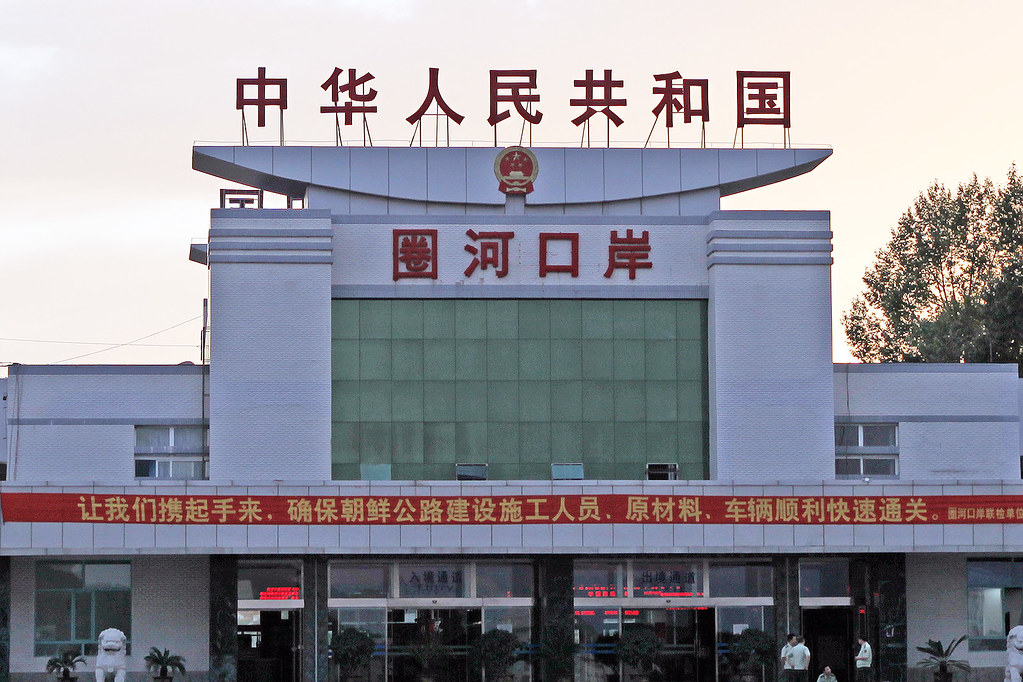
North Korea Enhances Controls on American Travelers
In a notable shift impacting international travel patterns, North Korea has joined a select group of countries tightening travel restrictions for American tourists. These developments come amid broader geopolitical tensions affecting global travel dynamics in 2026. The increased barriers add a new layer of complexity for U.S. citizens planning visits to the Korean Peninsula.
While specific entry requirements and the rationale behind these heightened measures have not been fully disclosed, the move aligns North Korea with a growing list of countries that maintain strict controls on travelers from the United States. Tour operators and travelers alike should closely monitor updates
as this situation evolves.
Other Regions Restricting U.S. Entry
Alongside North Korea, other destinations including Cuba, the Maldives, Syria, Yemen, Iran, and Russia continue or have intensified travel restrictions against American tourists. These countries typically cite security concerns or diplomatic factors as underlying causes for limitations but detailed reasons vary by nation and are often fluid.
The cumulative effect of these policies presents challenges for U.S. travelers seeking to visit areas with ongoing political or diplomatic complexities. These restrictions contribute to a more constrained international itinerary and necessitate advance planning and flexibility.
Understanding the Broader Context of 2026 Global Travel Tensions
The tightening of travel barriers is part of a wider landscape marked by
evolving diplomatic advisories issued by U.S. authorities. These advisories reflect ongoing global tensions and impact a range of destinations deemed high-risk or politically sensitive.
U.S. diplomatic travel advisories regularly highlight risks ranging from safety and security to health-related concerns. As various countries adjust their entry policies, American travelers must remain vigilant to avoid abrupt disruptions during their journeys.
What U.S. Travelers Should Monitor and Prepare For
Staying informed remains critical for those intending to travel internationally in 2026, particularly to countries imposing new or stricter entry barriers. Travelers should actively check government travel advisories, consular websites, and reputable news sources before and during trip planning.
Verify the latest
entry restrictions and visa requirements for each destination. Register with the U.S. Department of State’s Smart Traveler Enrollment Program (STEP) for updates and assistance. Consider flexible travel arrangements and cancellation policies in light of changing rules. Monitor diplomatic communications related to travel advisories for real-time adjustments.
Planning for Unpredictability in International Travel
The shifting access to certain destinations including North Korea underscores the uncertainty facing American tourists in the current geopolitical climate. For travel professionals, maintaining adaptable itineraries and clear communication with clients is paramount. Meanwhile, travelers should anticipate the need for increased due diligence and contingency plans when targeting high-tension countries.
Understanding these factors can
help mitigate risks and facilitate smoother travel experiences despite tighter restrictions. Ultimately, preparedness and awareness remain the most effective tools for navigating the complex international travel environment expected in 2026.