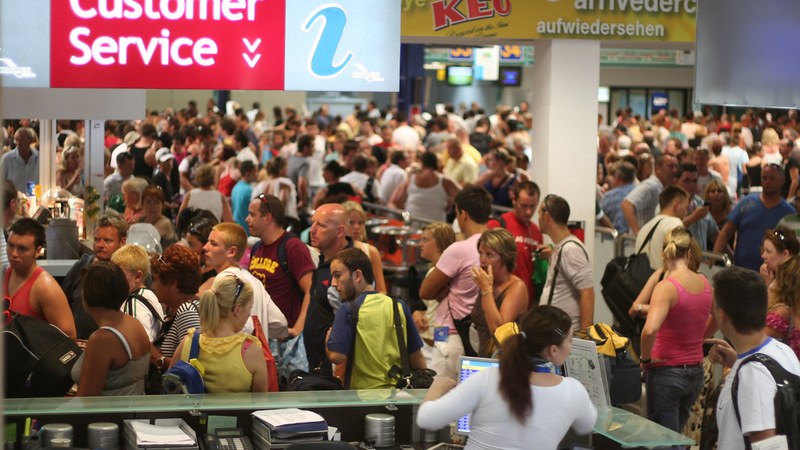
Tensions Rise Over Carnival Cruise Line Loyalty Program Changes
Carnival Cruise Line has recently seen an escalation in disputes related to its revised loyalty program policies aboard cruises departing from Alabama ports. These changes have led to increased passenger dissatisfaction, prompting concerns within the U.S. cruising community. Reports indicate that some loyalty status disagreements between American guests and Carnival representatives have become significant enough to involve external authorities.
The introduction of updated loyalty rules reflects wider industry trends of cruise operators seeking to refine customer incentives and onboard management procedures. However, the transition period has exposed friction points where passengers feel their rights and benefits are not fully honored
or communicated effectively.
FBI Involvement Highlights Complexity of Passenger Rights Issues
Several instances during Carnival’s Alabama sailings have reportedly resulted in American passengers being referred to the FBI for matters allegedly related to loyalty program disputes. While specific details of any law enforcement proceedings remain undisclosed, the involvement of federal authorities underscores the seriousness of conflicts arising from loyalty-related misunderstandings or policy enforcement aboard vessels.
This development marks an unusual and cautionary episode in the U.S. cruise sector, emphasizing how loyalty program enforcement can intersect with broader legal and security frameworks. Cruises are increasingly recognized as complex environments where passenger rights issues may prompt official intervention when disputes
escalate.
What American Cruisers Should Know About Loyalty Programs and Policy Changes
For U.S.-based cruise travelers, understanding the nuances of loyalty program policies is critical to avoiding unexpected confrontations during voyages. Carnival Cruise Line’s recent updates have altered criteria, privileges, and onboard benefits linked to loyalty status.
Travelers planning to cruise with Carnival should carefully review any communicated policy modifications prior to boarding. Awareness of the terms and conditions, coupled with proactive clarification from customer service, can help mitigate surprises. Maintaining documentation of loyalty status and related entitlements is advisable to support any necessary discussions aboard the ship.
Given the potential for escalated disputes, American passengers are encouraged to exercise patience
and seek neutral resolution channels when concerns arise. Understanding both the cruise line’s updated framework and passenger rights provisions can contribute to a smoother sailing experience and reduce the likelihood of formal legal interventions, including those involving federal authorities.
Broader Implications for the Cruise Industry and Passengers
The recent incidents during Carnival’s Alabama departures serve as a reminder of the evolving complexities surrounding cruise loyalty programs and enforcement practices. As cruise companies continue adapting their offerings in competitive markets, clear communication and fair treatment of loyal customers remain pivotal.
The involvement of the FBI in loyalty disputes also signals a need for cruise operators and regulatory bodies to
closely examine how loyalty program policies align with passenger rights and onboard governance. Ensuring transparent, equitable management of such programs will be essential to maintaining consumer trust and enhancing overall travel satisfaction.
Travel professionals and American cruisers alike should monitor ongoing developments in this area to stay informed about policy shifts and their practical impacts. Equipping passengers with accurate knowledge will be vital as the cruise sector navigates the challenges of balancing commercial policies with passenger protections.