Flight Disruptions Amid the 2026 Middle East Conflict
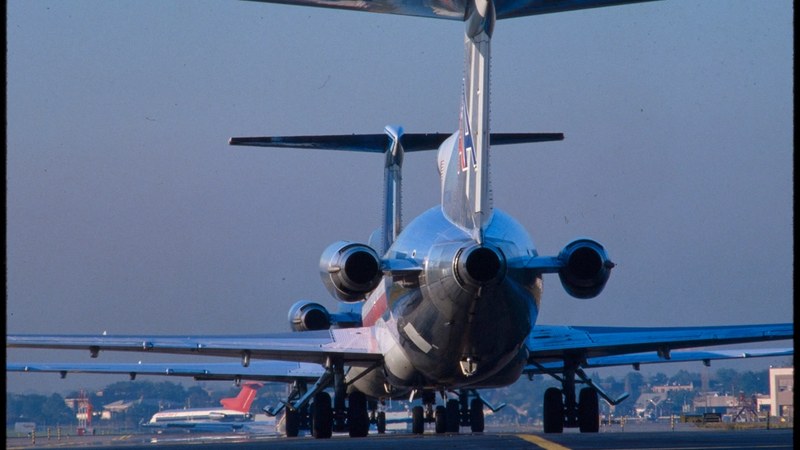
The evolving conflict in the Middle East throughout 2026 has prompted significant upheaval across global air travel networks. A surge in flight cancellations directly linked to escalating geopolitical tensions has led to widespread disruptions. Major international hubs, especially those located near the Strait of Hormuz, have been notably affected by airspace restrictions and security concerns.
Airlines serving routes through or near this volatile area, including American carriers and global operators such as British Airways, Emirates, and Qatar Airways, have reported substantial schedule adjustments. These range from temporary route suspensions to extended ground delays as they navigate heightened safety protocols and
evolving government advisories.
Impact on U.S. Travelers and Airline Operations
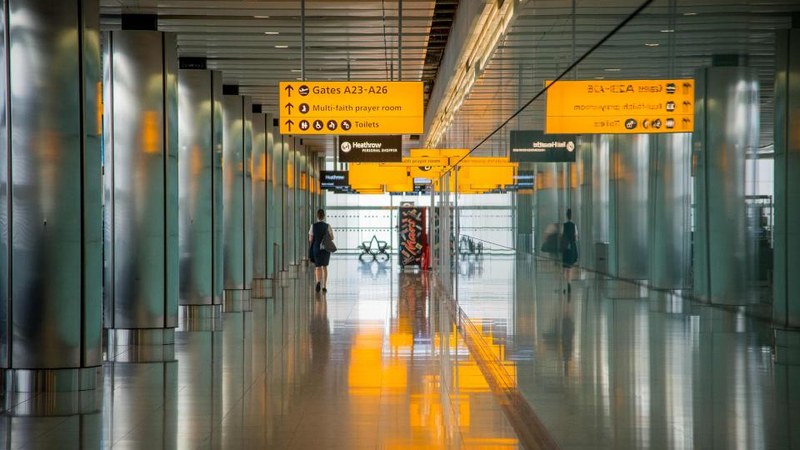
Travelers originating from or destined to the United States have encountered significant challenges amid these aviation disruptions. Flight cancellations and reroutes have led to longer travel times and increased operational costs, some of which have translated into higher airfares. Passengers face uncertain itineraries, with frequent schedule modifications complicating itinerary planning.
Airlines are concurrently developing and implementing contingency strategies to manage reroutes and passenger accommodations. This is particularly evident among American carriers and their partners, who have been adjusting flight paths away from the Strait of Hormuz airspace for safety reasons, prompting extended service durations and logistical complexities.
Strait of Hormuz Conflict and Its Aviation Ramifications
The Strait of Hormuz, a critical maritime chokepoint for energy transport, lies at the heart of the region’s turmoil impacting civil aviation. Airspace over and near the strait has seen increased restrictions due to military activities and heightened risk assessments by aviation authorities.
Flights traversing this corridor have either been delayed or redirected to circumvent aerial zones deemed unstable. The strategic significance of this corridor to global energy supplies has translated into heightened international attention, further complicating the operational environment for airlines and safety regulators.
Global Air Travel Disruptions and Industry Response
The ripple effects of the Middle East aviation crisis extend far beyond the immediate conflict
zones, triggering a cascade of cancellations and operational shifts worldwide. Even airlines not directly flying through the affected airspace have felt the impact through interconnected network delays and altered passenger flows.
Industry stakeholders are enhancing resilience by expanding alternate routing capabilities, revising flight schedules, and increasing support services for affected passengers. Coordination with regulatory bodies and military authorities remains essential as the situation continues to evolve.
Navigating Travel Uncertainty: What U.S. Tourists Should Anticipate
U.S. tourists planning travel to or through the Middle East region should prepare for potential itinerary adjustments, including cancellations and rerouted flights. It is advisable to maintain close communication with airlines and travel agents
for the latest updates.
Flexibility will be a crucial factor, as travelers may encounter longer travel times and possible increased costs. Airlines are prioritizing passenger safety, which may result in operational decisions that could cause inconvenience but aim to manage risk effectively.
Although the precise timeline for resolution or normalization of travel routes remains unclear, industry sources stress the importance of proactive planning and monitoring of official guidance as travel plans advance.