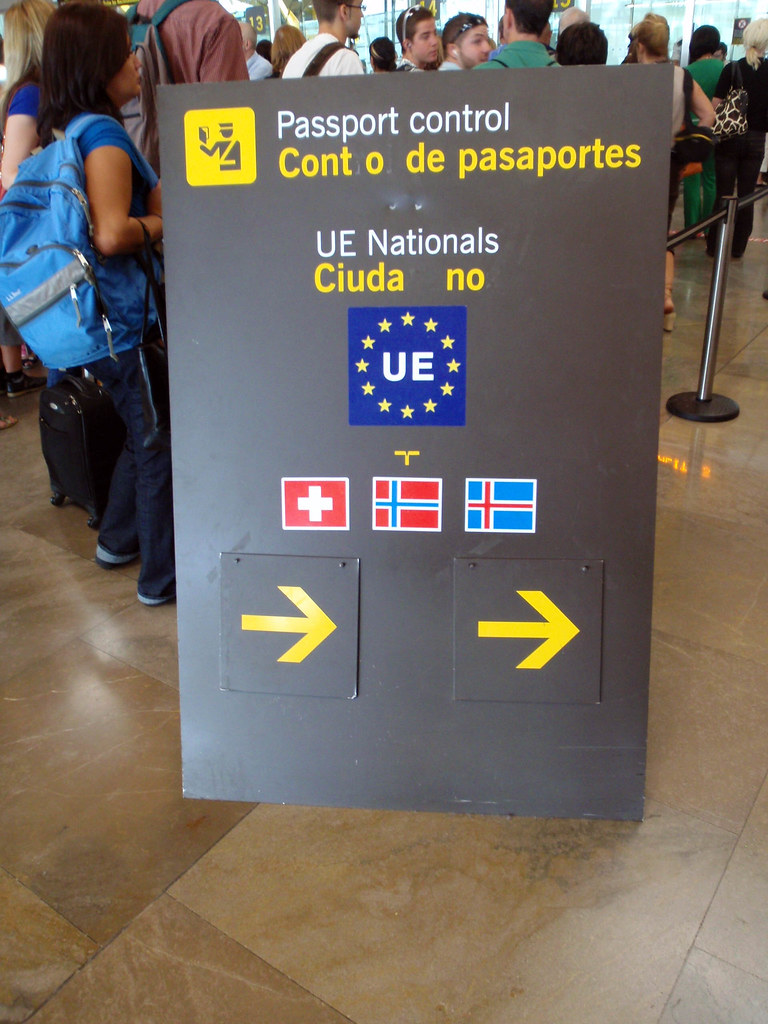
The European Union’s introduction of the new Entry-Exit System (EES) is contributing to considerable slowdowns in border processing times across Europe. This system, designed to control and record non-EU visitors’ entry and exit, has resulted in prolonged queues that are affecting the movement of travelers at the continent’s points of entry.
According to the World Travel and Tourism Council (WTTC), these border delays could jeopardize up to 41 million visitor arrivals in 2026. The WTTC has formally communicated its concern about the impact of the EES implementation, highlighting the scale of potential disruptions if delays reach up to three hours
at some checkpoints.
Potential Impact on Travelers and Tourism
Visitors planning to travel to Europe should be aware of the likelihood of longer waits when crossing EU borders due to the EES system’s operational challenges. The extended processing times represent a significant hurdle for the tourism sector, which may face disruptions from these inefficiencies. While exact details on the extent of these delays and the specific countries most affected remain unclear, the WTTC’s warning indicates a pressing issue for the industry and travelers alike in the coming year.