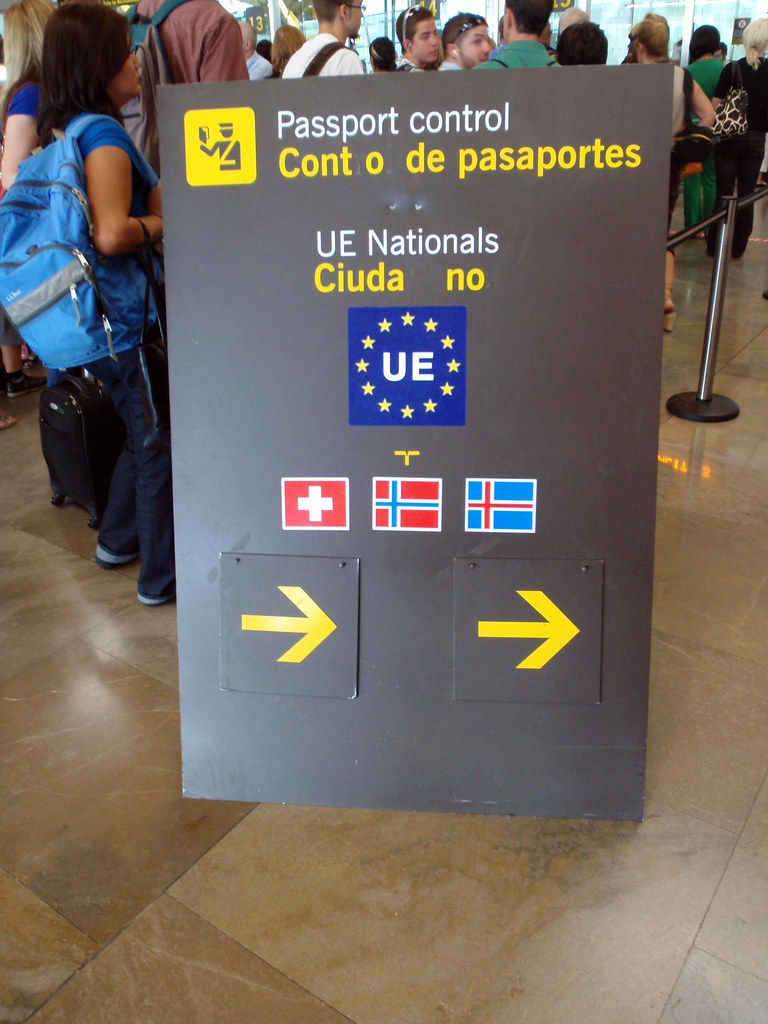
The World Travel & Tourism Council (WTTC) has raised concerns that Europe’s tourism sector may face a significant reduction in visitor arrivals if border delays linked to the Schengen Area’s Entry/Exit System (EES) reach three hours. Analysis from the WTTC suggests that under such circumstances, up to 41 million visitor arrivals could be at risk.
These delays are attributed to the new electronic entry and exit checks introduced by the EES across European borders. The WTTC’s findings emphasize the three-hour delay threshold as a critical factor in potential travel disruptions.
Border Delays and Their Impact on Travel Flows
The implementation of the EES involves enhanced electronic verification processes
for travelers entering and leaving the Schengen Area. While designed for improved security and efficiency, the WTTC warns that wait times of up to three hours could occur at border controls. Such delays have the potential to significantly disrupt Europe’s tourism activity by discouraging arrivals and creating bottlenecks during peak travel periods.
At this time, specific border crossing points identified with delays have not been disclosed, nor has an assessment of exact economic losses beyond visitor numbers been quantified by the WTTC. However, the warning underscores the importance of managing the EES rollout carefully to mitigate adverse effects on travel
flows in 2026.
As Europe continues with the EES rollout, travelers and industry stakeholders will need to monitor developments closely to understand how border procedures evolve and what measures might be taken to reduce potential wait times.