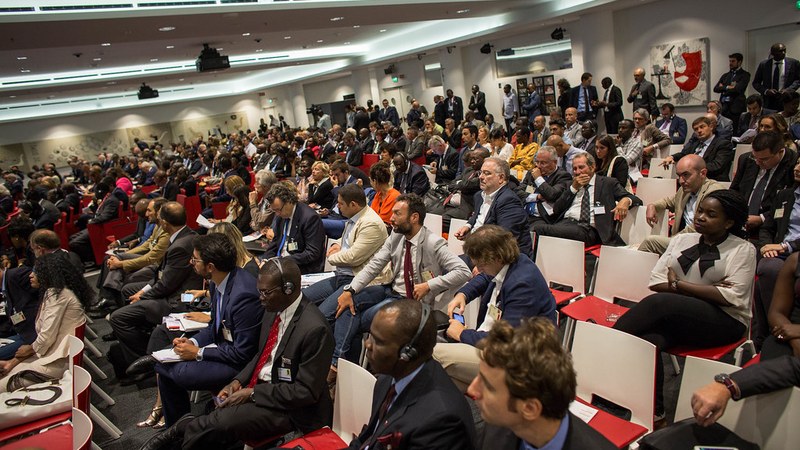
The World Travel & Culture Expo (WTCE) 2026 took place from October 29 to 31 at the IMPACT Exhibition & Convention Center in Muang Thong Thani, Bangkok. The event was organised by the Tourism Authority of Thailand (TAT) in cooperation with the Tourism Council of Thailand (TCT), the Thai-Chinese Tourism Alliance Association (TCTA), and Guangdong Grandeur International Exhibition Group. WTCE 2026 brought together businesses and partners from 18 countries, spanning sectors such as tourism, culture, technology, sport, entertainment, and the creative industries.
Thailand’s Tourism Strategy and Event Theme
WTCE 2026 supported Thailand’s objective to establish itself as the Tourism and Entertainment Hub of ASEAN. The event’s
theme, “Smartly Link the World,” reflected the organisers’ goal to connect tourism with culture, sport, technology, and creative industries. The expo aimed to facilitate business matching and industry exchanges that contribute to developing the visitor economy in Thailand and its partner countries.
Opening Ceremony and Strategic Priorities
The opening ceremony on October 29 was led by Ms. Thapanee Kiatphaibool, Governor of TAT. She was accompanied by Mr. Jeerayu Jarukittivorakan, Secretary-General of the Tourism Council of Thailand, and Mr. Wang Zhaoyun, CEO of Guangdong Grandeur International Exhibition Group, among other representatives from Chinese and international associations. During the event, Ms. Thapanee outlined TAT’s direction emphasizing the
“Partnership 360°” framework, focusing on connecting tourism with complementary sectors to create distinctive experiences and expand the economic impact of tourism. She highlighted the move toward a “Value over Volume” strategy to increase revenue value from tourism and distribute income more broadly to businesses, communities, and emerging destinations.
Exhibition Zones and Parallel Summits
WTCE 2026 featured three primary exhibition zones. The TAAPE zone concentrated on amusement and attraction products including water parks, family entertainment centres, rides, and VR/AR technology. The ASE zone presented audio, stage, and entertainment technologies such as LED displays, digital signage, lighting, and sound systems for concerts and events. The TBE zone
showcased billiards and indoor sports equipment and technologies. Additionally, there was an Art Toys & Creative Economy area connecting collectibles, design, and pop culture with product development and licensing. Parallel to the expo, two summits were held at the same venue: the World Amusement and Attractions Development Summit (WAS) on October 29–30 and the World Billiards Club Development Summit (WBS) on October 30.
Summit Sessions Cover Tourism and Industry Development
At WAS, Ms. Denduen Luengcheng, Executive Director of the Tourism Product Department at TAT, delivered a presentation titled “Future of Tourism & Trusted Thailand” on October 29. She introduced Thailand Nextperience 2027 and TAT’s five tourism product
priorities: Wellness & Longevity, Festival Economy, Creative Economy, Sustainable & Regenerative Tourism, and Trusted Thailand—emphasizing safety, secure payments, multilingual communication, and transport accessibility as foundations for attracting tourists. WAS sessions explored night tourism, immersive entertainment, water-park and integrated resort development, family entertainment centres, cultural tourism, and Southeast Asia’s theme park investment potential. WBS sessions analyzed sustainable cue-sports ecosystems, growth opportunities in the Indian market, and strategies to develop Thailand’s billiards industry into a global business.
Official Statements and Strategic Focus
According to official remarks from TAT leadership at the event, WTCE 2026 demonstrated practical implementation of the “Transform Together” concept through cross-sector partnerships. The approach
aims to generate new business opportunities, produce distinctive travel experiences, and increase economic value. The event also coincided with the 51st anniversary of diplomatic relations between Thailand and China, expanding bilateral ties beyond tourism into wider industry cooperation. TAT underscored a shift away from destination-centric promotion toward enhancing experience quality and economic value for travellers and local communities, supporting Thailand’s vision as a high-value, meaningful tourism destination.