Flight Disruptions Ripple Through Major U.S. Airports
Massive flight delays and cancellations have recently swept through some of the busiest airports across the United States. Travelers passing through critical hubs such as Dallas-Fort Worth, Atlanta, Chicago, New York City, and San Jose have experienced significant disruptions to their itineraries. The impacted airports have seen a notable rise in delayed departures and last-minute cancellations, creating wide-ranging challenges for domestic and connecting passengers alike.
Airlines with extensive operations in these regions, including American Airlines, Delta Air Lines, Southwest Airlines, and United Airlines, have reported operational impacts that contribute to fluctuating schedules and increased passenger uncertainty. While detailed causes behind
each incident have not been fully disclosed, the scale of disruption remains a major concern in early 2026 air travel.
Key Airlines and Hubs Under Pressure: Dallas-Fort Worth and Beyond
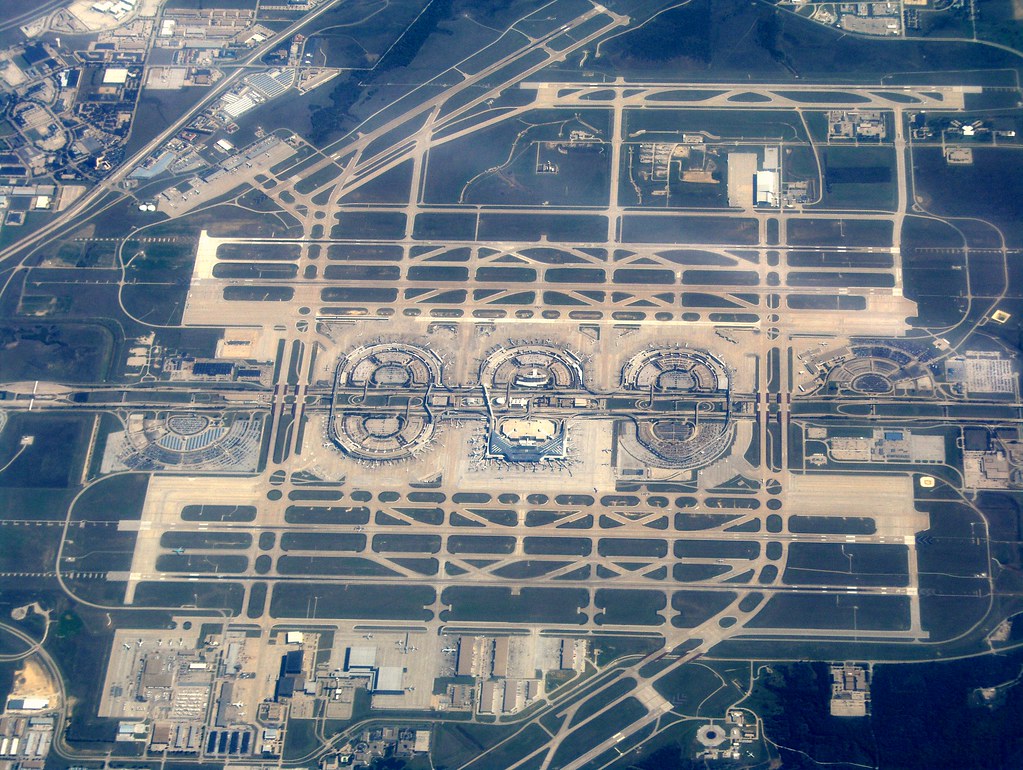
Dallas-Fort Worth International Airport (DFW) has been particularly affected. As one of American Airlines’ largest hubs, disruptions here ripple across the wider network, affecting flights nationwide. Delays and cancellations at DFW often create a domino effect, impacting connecting flights domestically and internationally. This has placed additional strain on airline operations and ground services, hindering the quick recovery of schedules.
Similarly, Atlanta Hartsfield-Jackson, a major Delta Air Lines hub, continues to face operational pressures amid these challenges, albeit less prominently reported
in recent updates. Southwest Airlines’ operations in both Dallas and other airports like Chicago Midway have also encountered difficulties, contributing to the cumulative effect of flight disruptions seen across major U.S. cities.
New York’s primary airports, including JFK and LaGuardia, likewise continue to deal with elevated disruption levels. Given the complex volume of inbound and outbound flights, logistical challenges caused by congestion, weather, or staffing can have outsized consequences. San Jose International Airport also remains part of this network of impacted gateways, primarily affecting West Coast itineraries.
Passenger Experience and Travel Recommendations
For travelers planning trips through these key hubs, preparation has become increasingly important.
Passengers are advised to check flight statuses frequently and anticipate potential delays or schedule changes, especially when booking itineraries that involve tight connections.
Flexibility has emerged as a crucial factor. Travelers should consider options such as flexible tickets, travel insurance, and alternative routing to mitigate inconvenience. Early arrival at airports and prompt communication with airline customer service can also assist with managing disruptions.
Rebooking can be more challenging during peak disruption periods due to limited seat availability and increased demand. Therefore, exploring multiple airline options and transport modes might help alleviate some travel risks associated with these operational issues.
Ongoing Monitoring and What Lies Ahead for U.S. Air Travel in 2026
As
the airline industry grapples with these ongoing delays and cancellations, airports and carriers continue efforts to stabilize operations and restore reliability. While no comprehensive timeline for resolution is currently available, airport authorities and airlines remain focused on minimizing passenger impact while adjusting to fluctuating demand and complex logistics.
Travelers journeying across the United States are encouraged to stay informed through official airline and airport channels and to plan for possible contingency scenarios. The disruptions at hubs like Dallas-Fort Worth and New York serve as a reminder of the dynamic nature of air travel, where flexibility and vigilance best position passengers
for smoother experiences.
Overall, these disruptions underscore the challenges facing U.S. air transportation this year, highlighting the importance of proactive and adaptive travel strategies in an evolving environment.