Significant Delays and Flight Cancellations Impacting Key US Airports
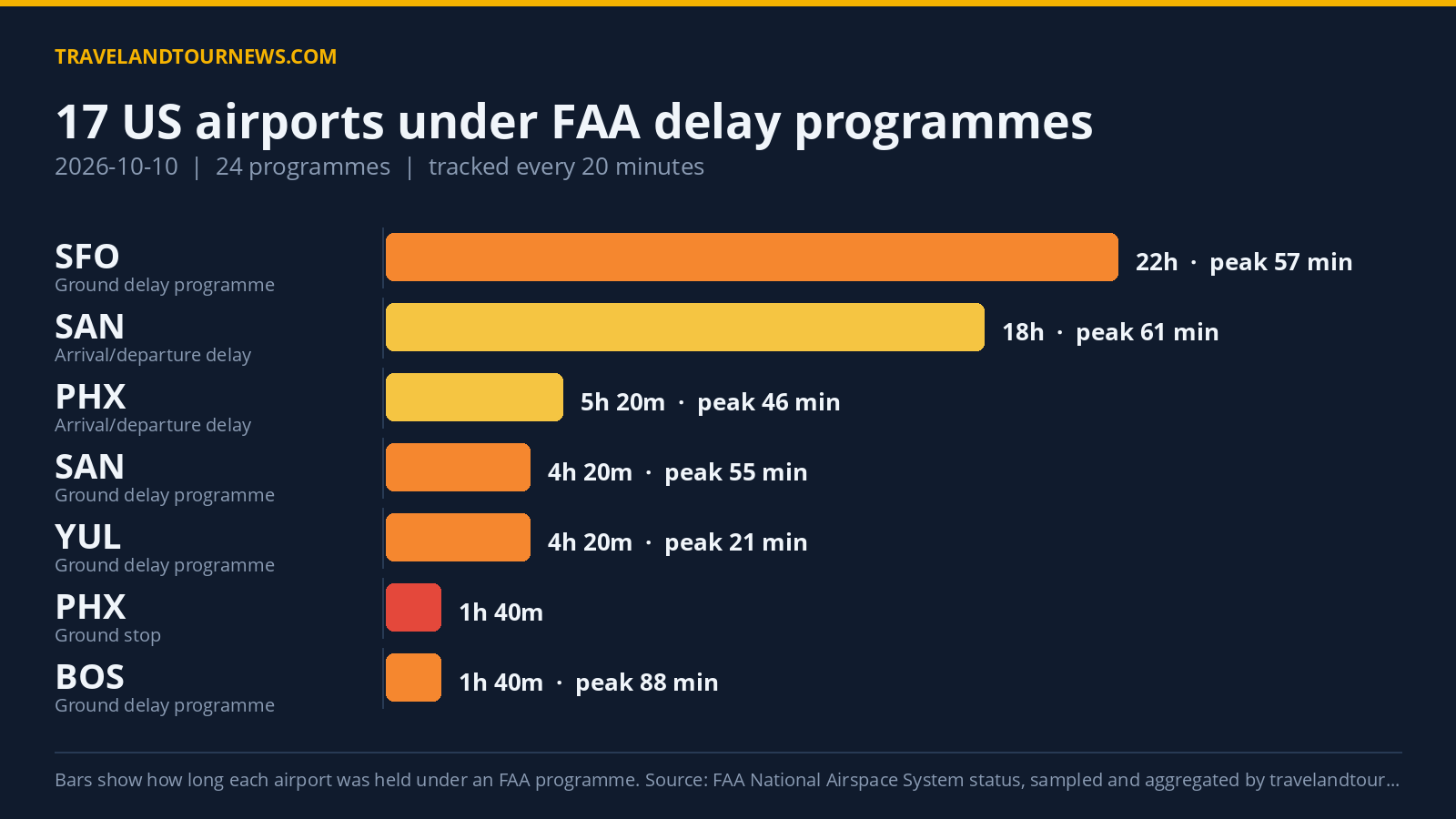
Travelers passing through several major US airports are currently contending with widespread flight delays and cancellations that have disrupted travel plans across the nation. Chicago O’Hare International Airport, one of the country’s busiest hubs, is among the airports experiencing substantial operational challenges, with hundreds of delays and cancellations affecting both domestic and international routes.
Flight delays topping 350 instances have been reported at Chicago O’Hare, significantly impacting passenger flow and airline scheduling. These disruptions extend beyond the Windy City, as several other airports across the United States are also seeing elevated levels of flight delays, leading to a challenging travel
environment for those flying domestically and abroad.
Major Airlines Among Those Facing Operational Disruptions
The disturbances at US airports have affected top carriers including American Airlines, Delta Air Lines, Lufthansa, and Etihad Airways. These airlines operate extensive domestic networks and international flight schedules that have faced cancellations or delays, contributing to a complex logistical situation within the aviation sector.
American Airlines has encountered notable disruptions, with several flights delayed or canceled at Chicago O’Hare and other key airports. Similarly, Delta’s operations have been adversely affected, adding to the strain at major US hubs where they maintain a significant presence. European and Middle Eastern carriers such as Lufthansa
and Etihad have also been impacted, highlighting the broad impact on international flights connecting via US airports.
Traveler Considerations Amid the Ongoing Airport Disruptions
These events present a series of challenges for travelers. Those planning to fly through affected airports should anticipate potential delays and cancellations, which may necessitate adjustments to itineraries, additional waiting time, and enhanced patience during transit. Airlines and airport authorities typically advise passengers to monitor flight statuses closely and arrive at airports earlier than usual.
Passengers booked on international flights should remain particularly vigilant, as cancellations have a direct effect on onward connections and travel plans outside the United States. Domestic travelers are
also advised to review current airline communications and prepare for variable boarding and departure schedules.
While the exact causes underlying the operational disruptions have not been specified, the scale of the delays and cancellations underscores the continuing instability within the air travel sector. Travelers are encouraged to stay informed through official airline and airport channels ahead of their journey.
Outlook and Continuing Developments
Industry sources indicate that the situation remains dynamic, with flights gradually resuming normal schedules as airports and airlines implement recovery measures. Ongoing attention to passenger needs and coordination between carriers and airports is critical to minimize further disruptions.
As U.S. airports
manage these challenges, travelers should maintain flexibility in their plans and consider alternative arrangements where possible. Keeping abreast of live updates and working directly with airlines for rebooking or cancellations will likely be necessary for many passengers during this period.

Image credit: w_lemay / Flickr (CC BY-SA 2.0)
Image: Hilton Chicago O’Hare Airport Hotel, Chicago O’Hare International Airport, Chicago, IL by w_lemay via flickr, by-sa