Delayed Operations Disrupt Key US Airports
Recent operational disruptions at several major US airports have resulted in significant flight delays and cancellations. Chicago O’Hare International Airport, Atlanta Hartsfield-Jackson, and Dallas Fort Worth International Airport have been notably affected. These hubs serve as critical nodes for multiple airlines, amplifying the impact of delays on the national air travel network.
The disruptions have involved over 4,000 flight delays and more than 100 cancellations across prominent carriers including American Airlines, Delta Air Lines, and United Airlines. While these figures underscore a challenging period for air travel, exact passenger volumes impacted or specific causative factors behind each delay remain unconfirmed.
Notable Airlines and Route Interruptions
American Airlines, Delta Air Lines, and United Airlines are among the primary carriers impacted by the operational slowdowns. Each airline maintains significant presence at the affected airports, which are critical hubs in their domestic route networks.
The concentration of delays and cancellations at Chicago O’Hare, Dallas Fort Worth, and Atlanta—some of the busiest airports by passenger traffic nationally—has led to cascading effects on scheduling and connections. Travelers reliant on these airlines may experience extended transit times or missed connections, illustrating the broader ripple effect beyond isolated disruptions.
Operational Challenges and Airport Environment
The challenges at major airports where high volumes of flights operate daily can
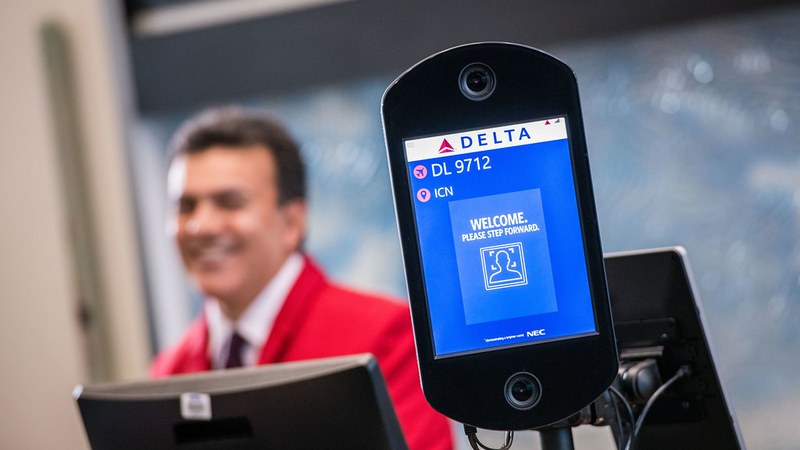
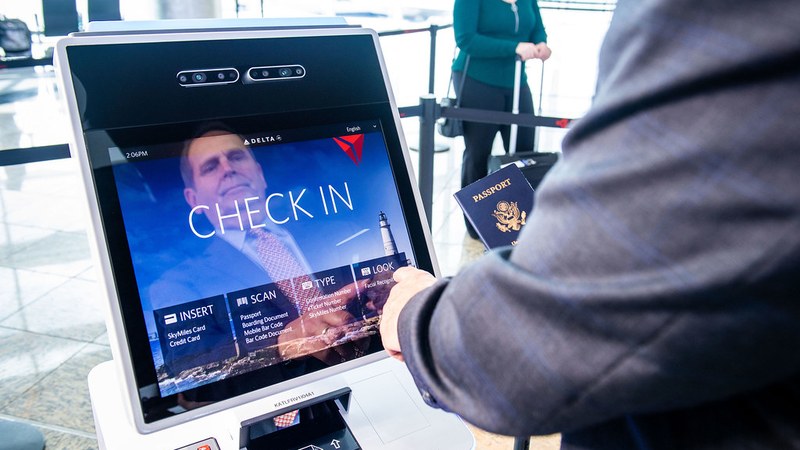
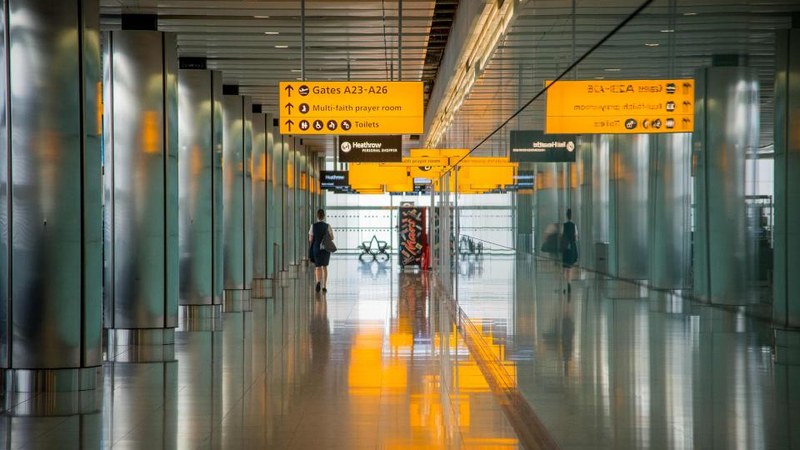
strain resources and infrastructure, especially when compounded by disruptions. Overcrowded terminals and extended wait times at airline check-in counters and security screening points are expected consequences during such periods.
The highly interconnected nature of these hubs means that a delay or cancellation in one location can disproportionately affect flights throughout the airline network. This network effect heightens the complexity of managing operational recovery and rescheduling.
Impact on American Air Travelers
Passengers flying through these affected hubs are advised to factor in additional time to their itinerary and maintain communication with their airlines for updated flight information. Increased travel times and the potential for missed layovers
have raised the importance of advanced planning for many travelers.
Those planning domestic or connecting flights through Chicago O’Hare, Atlanta, or Dallas Fort Worth should monitor conditions closely. While airlines typically strive to accommodate and rebook affected passengers, disruptions of this scale can impose logistical challenges on both travelers and airline operations.
Implications for the Travel Industry
The widespread delays and cancellations at major US airports highlight ongoing operational vulnerabilities in the air travel sector. Airlines and airports continuously adapt to fluctuating demand, weather, staffing conditions, and other factors that influence on-time performance.
Persistent delays can affect customer satisfaction and strain airline resources, influencing labor
allocation and cost structures. Additionally, disruptions at major hubs can impact broader tourism flows and business travel scheduling, with implications extending into local economies reliant on steady visitor arrivals.
Outlook and Industry Response
While the current wave of delays and cancellations presents near-term challenges, airlines and airports are deploying operational adjustments aimed at restoring smoother flow. Enhanced communication with travelers and contingency planning remain critical priorities in navigating the complex US aviation landscape.
Travelers and industry stakeholders alike continue to watch developments closely as recovery efforts unfold across these vital airports.