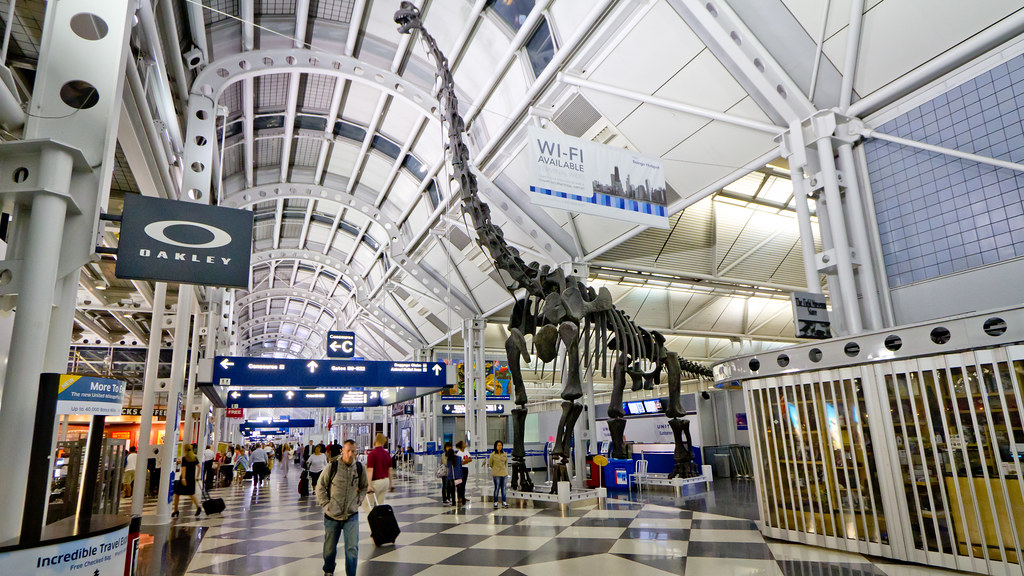
Understanding the Scale of Technology-Driven Disruptions at Major U.S. Airports
Throughout 2026, a series of technology failures in airline systems have led to extensive flight cancellations and delays at key United States airports. Notably, San Antonio International Airport, John Glenn Columbus International Airport, and Denver International Airport have been among the major hubs affected by operational weaknesses triggered by these technical issues. These disruptions highlight systemic challenges facing airlines and airport operations in integrating complex technology infrastructure while maintaining consistent service for travelers.
Key U.S. Airport Hubs Experiencing Operational Challenges
San Antonio International Airport has reported significant impacts on flight schedules involving several major U.S. carriers. The cascading effect of software glitches and outdated operational platforms has
hindered timely boarding and departure processes. Similarly, Columbus International Airport has encountered interruptions that not only delayed flights but also contributed to a backlog in air traffic management systems. Denver International Airport’s wide-ranging travel disturbances further illustrate the vulnerability of major U.S. hubs to technology failures that can degrade the efficiency of airline operations.
Technology Failures as a Central Factor in Flight Cancellations
The root causes linked to widespread flight cancellations and delays remain centered around technology failures. While airlines employ advanced automated scheduling and communication systems designed to optimize operational efficiency, these systems have at times failed under high-demand scenarios. Factors such as software bugs, integration issues with
legacy systems, and maintenance downtime have introduced vulnerabilities. These shortcomings compromise critical scheduling, gate management, and crew coordination, amplifying disruption risks.
Impact on American Travelers and Passenger Experience
For travelers, the effects have been considerable. Persistent technology failures translate into unpredictability with flight timings and availability, often resulting in extended waiting periods at terminals and disrupted travel itineraries. Passengers faced heightened stress and logistical challenges, including missed connections and altered plans, underscoring the reliance on airline system reliability. The growing incidence of these failures has emphasized the need for improved contingency measures and communication protocols to mitigate adverse traveler impact.
Ramifications for the U.S. Travel Industry and Tourism Sector
The ongoing technology-related disruptions hold broader implications
for the U.S. travel and tourism industry. Airlines and airports must grapple with reputational damage and customer dissatisfaction stemming from operational unreliability. Moreover, these failures affect ancillary businesses reliant on smooth traveler flows, such as airport retailers and ground transportation services. The challenges further draw attention to the critical importance of investing in resilient technology infrastructure and enhancing operational redundancy to support the increasing passenger volumes typical of major U.S. hubs.
Efforts Toward Improving Technology Reliability
Airlines and airport authorities are reportedly reviewing system vulnerabilities and working toward upgrades and better integration with existing infrastructure. Collaborative efforts involving technology vendors focus on strengthening software platforms
to withstand operational pressures without compromising scheduling and communication processes. However, recovery and improvement efforts will require sustained attention to ensure that technology failures do not continue to cause widespread flight cancellations and delays across the nation’s airports.
Looking Ahead: Addressing Airline Operational Vulnerabilities
The persistence of technology failures disrupting flights in 2026 serves as a cautionary indicator for the aviation industry. As airlines and airports operate increasingly interconnected systems, the complexities and interdependencies demand rigorous oversight and continual modernization investments. Addressing these operational vulnerabilities will be essential to restoring traveler confidence and ensuring efficient, reliable air travel through major U.S. airport hubs in the future.