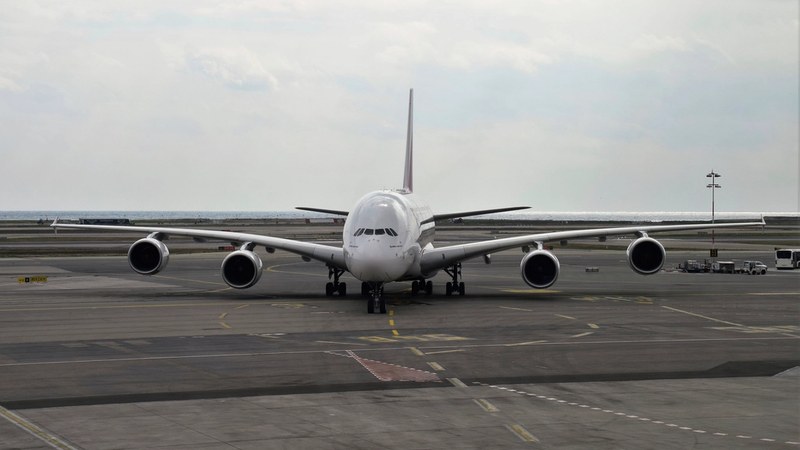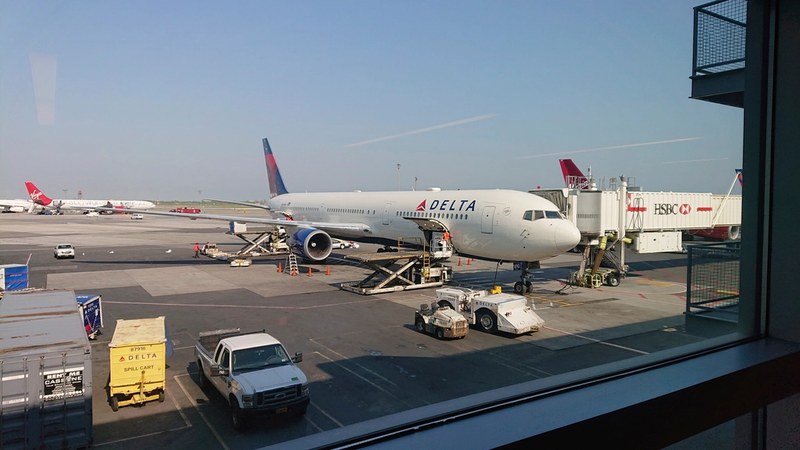
WestJet flight attendants commenced a strike early on Sunday, August 2, 2026, after contract negotiations with the airline failed to reach an agreement. Approximately 4,400 members of CUPE Local 8125 walked off the job, resulting in the cancellation of around 600 WestJet mainline flights and impacting roughly 250,000 passengers booked for travel over the August long weekend.
Flight Disruptions at Vancouver International Airport and WestJet Encore Operations
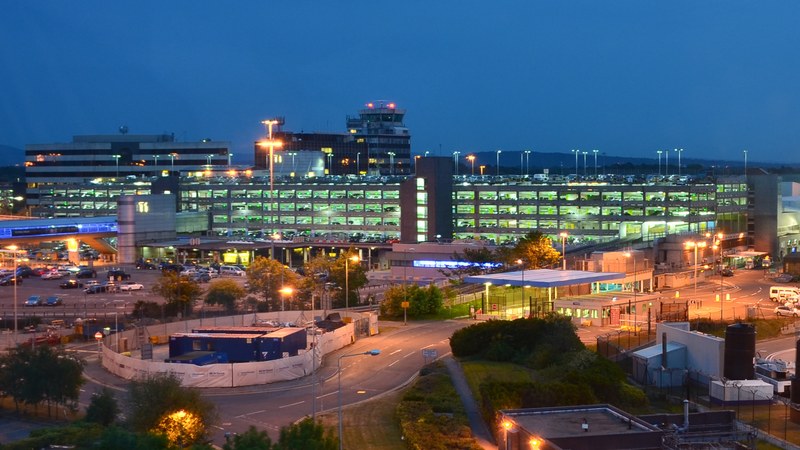
At Vancouver International Airport (YVR), 88 WestJet flights were cancelled, accounting for about 10% of the airport’s scheduled daily departures. The strike led to a near suspension of WestJet’s mainline flight operations across Canada. However, WestJet Encore flights, which operate Q400 turboprop aircraft
under a separate union contract, continue to run normally. In response to the strike, WestJet suspended new bookings through August 5, 2026, with potential extensions if a settlement is not reached.
Failed Negotiations and WestJet’s Offer to Flight Attendants
WestJet proposed a wage and benefits package that included a 13% salary increase effective October 1, 2026, followed by annual raises of 2.5% through 2029, retroactive pay from January 1, 2026, and enhancements to working conditions such as a 12% pay premium for ground duties, improved meal allowances, and a $300 yearly health spending account. The union representing flight attendants rejected the offer, prompting the strike. WestJet CEO Alexis
von Hoensbroech expressed disappointment and said the airline remains open to negotiations.
Passenger Experiences and Customer Service Challenges
Passengers faced long waits on WestJet customer service lines, with some calls exceeding seven hours and in one case reaching a total of 19 hours, complicating rebooking efforts. Travelers stranded domestically and internationally, including those in Calgary, Cancun, and Orlando, have publicly shared difficulties securing alternate flights. Some passengers, such as Liam MacDougall from Airdrie, Alberta, preemptively rebooked earlier flights to avoid disruption, while others remain stranded abroad waiting for airline assistance.
Official Responses and Union Statements
WestJet CEO Alexis von Hoensbroech said, “We’re disappointed to be here; this directly impacts the travel
plans of our guests, our WestJetters and the communities and businesses we serve.” CUPE Local 8125 leader Alia Hussain stated, “We are on strike because we believe we deserve better,” and opposed government intervention in the dispute. Federal Jobs Minister Patti Hajdu called the strike “a disappointing development” and urged both sides to continue negotiations.
Passenger Rights and Regulatory Protections
Under Canada’s Air Passenger Protection Regulations (APPR), the strike is classified as outside the airline’s control, so passengers are not eligible for cash compensation. Travelers can rebook at no charge on WestJet or competitor flights within 48 hours of cancellation or request a full refund.
If rebooking assistance is delayed beyond three hours, passengers may purchase alternate flights and seek reimbursement. International travelers also benefit from the Montreal Convention, which covers reimbursement up to about CAD $12,000 for out-of-pocket expenses related to cancellations.
Context of WestJet’s Market Role and Strike Outcomes
WestJet has substantially changed Canadian aviation by increasing the flying population by over 50% during three decades while providing low-cost fares. Labor disputes like this one typically resolve in a few days due to financial pressures on airlines and union resources. The current strike marks a significant disruption during one of Canada’s busiest summer travel periods, grounding mainline WestJet flights and severely
affecting hundreds of thousands of passengers.