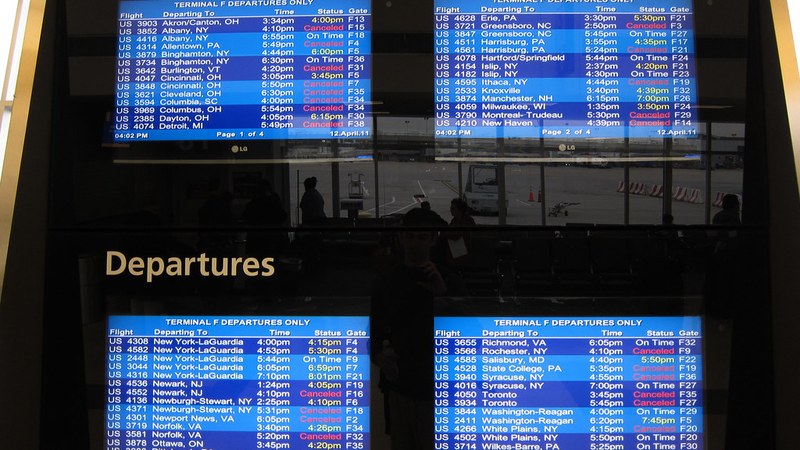
WestJet flight attendants issued a strike notice that could begin on August 2, 2026, at 2:01 a.m. EST, prompting the airline to issue a 72-hour lockout notice starting early Thursday morning. Mass cancellations affecting over 600 daily flights operated by WestJet are expected over the immediate 72-hour period, starting August 14, 2026, with up to 75,000 passengers potentially affected nationwide in Canada.
Flight Attendant Dispute and Pay Demands
The strike notice arises from a dispute over pay and working conditions. WestJet flight attendants, represented by the Canadian Union of Public Employees (CUPE), seek compensation for time spent on duties from check-in through clock-out, rather than the
current system based on variable “credit hours” per flight. This credit hour system does not compensate for ground delays, such as during aircraft de-icing, which flight attendants say is unpaid work time. CUPE also demands higher pay to address financial challenges faced by younger employees in costly cities like Toronto.
Passenger Impact and Rebooking Flexibility
WestJet operates more than 600 flights daily and holds about 30% of Canada’s domestic market share. The pending labor action threatens extensive flight cancellations affecting an estimated 75,000 passengers over three days. The airline permits passengers with bookings from July 30 to August 4, 2026, to cancel or reschedule flights
without penalty as part of a flexible change and cancellation policy. WestJet noted that flights operated by WestJet Encore on Q400 aircraft and codeshare partner flights will not be impacted by the strike or lockout.
Official Statements from WestJet and CUPE
WestJet CEO Alexis von Hoensbroech said in a statement that the decision to issue a lockout notice was difficult and expressed regret over the disruption to guests. He emphasized the airline’s responsibility to maintain network integrity and limit the risk of stranding passengers, crew, and aircraft. Von Hoensbroech stated, “We greatly value the work and contributions of our Cabin Crew, and it is our responsibility
to ensure the integrity of our network and to minimize the risk of stranding our guests, crew and aircraft.”
Alia Hussain, president of the local CUPE union representing WestJet flight attendants, said the union prefers a fair agreement without a strike. “We’ve been clear from the start that we want to reach a fair deal without a strike,” Hussain said. The union requested the Canadian government not to intervene in negotiations. WestJet affirmed ongoing active bargaining and stated its willingness to offer meaningful improvements balancing crew needs and company sustainability.
Context of Recent Canadian Flight Attendant Strikes
Labor tensions at WestJet follow a major flight attendant strike
at Air Canada in August 2025, which grounded around 700 daily flights and stranded approximately 500,000 passengers. Air Canada flight attendants, also represented by CUPE, challenged compensation structures similar to WestJet’s that pay for time in the air rather than total shift hours. United Airlines intervened during the Air Canada strike to assist stranded passengers, and the Canadian government attempted unsuccessfully to halt the strike. WestJet’s potential stoppage risks creating comparable disruptions across Canada’s aviation network.