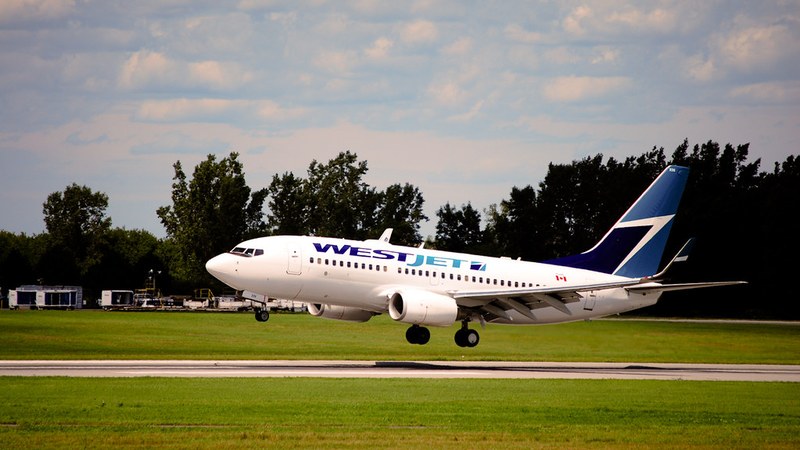
The Canadian Union of Public Employees Local 8125 (CUPE 8125) representing approximately 4,400 WestJet flight attendants issued a 72-hour strike notice to the airline early Thursday morning, July 30, 2026. The strike could begin as early as 2 a.m. EST on Sunday, August 2, 2026.
Flight attendants gave the strike authorization vote earlier in July 2026, with 99.4% voting in favor. The strike notice signals serious negotiation intentions but does not necessarily mean the union wants to initiate a strike.
WestJet Preemptively Cancels 76 Flights
WestJet announced a preemptive cancellation of 76 flights scheduled between July 30 and August 4, 2026, in response to the
potential strike action. Passengers booked on these dates are advised to verify their flight status due to ongoing changes.
Lockout Notice Issued by WestJet
Shortly after CUPE 8125 issued the strike notice, WestJet responded with a 72-hour lockout notice effective at the same possible strike start time on August 2, 2026. WestJet CEO Alexis Von Hoensbroech stated the lockout decision was not made lightly and expressed regret over the inconvenience and uncertainty caused to guests.
Key Issues in Negotiations
The labor dispute centers on WestJet flight attendants’ unpaid ground work, including tasks performed outside actual flight time. Flight attendants seek contract improvements similar to those Air Canada flight attendants
secured last summer, including expanded ground pay. WestJet currently uses a credit hour pay system that consolidates flight time, ground duties, delays and required work into a single higher pay rate, which the airline argues fully compensates attendants.
Air Canada’s recent four-year contract includes 2% annual wage increases and partial pay for waiting time on the ground, starting at 50% of hourly wages in the first year and increasing over the contract term.
Passenger Impact and Official Statements
WestJet customers traveling from July 30 to August 4, 2026, are encouraged to check flight updates as cancellations and disruptions remain possible. The airline has implemented flexible
change and cancellation policies for affected travelers.
Alia Hussain, president of CUPE Local 8125, said, “We have been clear about what needs to change, and we have worked hard to reach a fair deal.” She added, “The strike notice does not mean flight attendants want to go on strike,” emphasizing ongoing negotiations.
Michael Murphy, a Vancouver resident whose wedding guests are flying from Dublin, noted that rebooking flights earlier is not feasible for his group, saying, “It’s not as easy just to move the flight forward.” WestJet CEO Alexis Von Hoensbroech stated, “The decision to issue a lockout notice… was
not one that was made lightly. We sincerely regret the inconvenience and uncertainty this continues to cause for our guests.” CUPE 8125 also reaffirmed its goal to settle an agreement without impacting passengers.
Labor Vote, Government Role, and Timing
The union’s overwhelming strike authorization vote and the timing ahead of the busy August long weekend raise the stakes for negotiations. Federal Jobs Minister Patty Hajdu’s office urged both sides to negotiate directly, stating, “The federal government will always maintain that the strongest deals happen at the table. Canadians are counting on both parties to work together to reach a deal.” Labor experts suggest the strike notice
is a negotiation tactic intended to focus the parties on reaching an agreement.
John Gradek, aviation management program head at McGill University, explained that preemptive flight cancellations help prevent aircraft from being stranded abroad during a work stoppage. He added cancellations are a standard precaution, not necessarily proof that a strike is imminent.