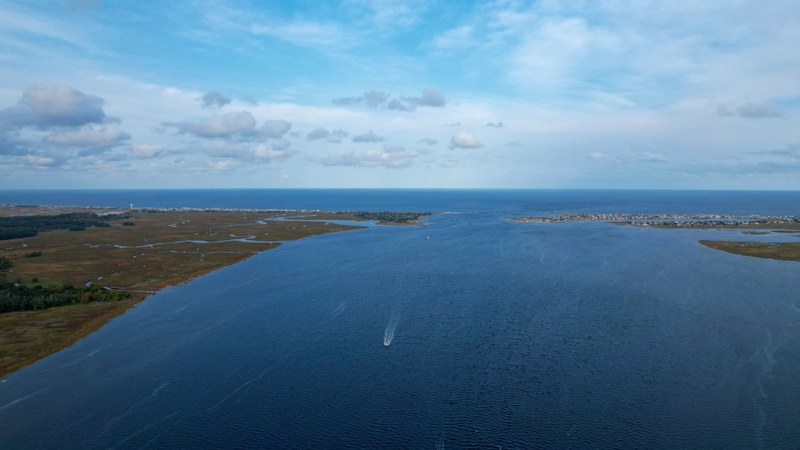
In late July 2026, the Viking river cruise ship Ullur ran aground on the Danube River in a stretch between Serbia and Romania. The vessel carried 186 passengers and 52 crew members when it drifted outside the navigable channel during nighttime. Drinking water onboard was reported to be running low. Passengers were evacuated in daylight by ferrying to a second ship followed by a bus transfer of approximately five hours to Bucharest. No injuries were reported and officials confirmed the ship was never at risk of sinking.
Historic Low Water Levels Impact River Navigation
Hungary’s water authority recorded the Danube water level in Budapest at just 10
centimeters in late July 2026, shattering the previous record low of 33 centimeters set in 2018. Serbia and Croatia also reported historic low river levels. The Rhine River experienced similar issues with the gauge at Kaub, Germany, falling below previous all-time lows. These record lows result from a prolonged combination of heat waves and drought across Europe, compounded by diminished Alpine snowpack that traditionally sustains summer river flows.
Cruise Operators Adjust Schedules and Operations
Drought-induced low water forced several major river cruise companies to adapt operations along the Danube in 2026. Avalon Waterways and Uniworld canceled select departures. AmaWaterways, Viking, Scenic, and Riviera Travel have lightened
ship loads, transferred passengers to sister ships, and introduced bus transfers to bypass shallow sections. These operational tactics aim to maintain itineraries despite the low water but result in altered passenger experiences.
Passenger Impact and Evacuations
Passengers on the grounded Viking Ullur were evacuated safely by ferry transfers and long bus rides to Bucharest. Other travelers faced disruptions including boarding ships far from Budapest, requiring 60-mile bus transfers for city excursions. Reported bus commutes replacing river sailing sometimes last one to two hours. Some itineraries include multiple bus rides or hotel stays instead of cruising, with canceled departures further affecting travelers.
Industry Experts Advise Booking with Caution
Duncan Greenfield-Turk, CEO
of Global Travel Moments, stated, “Is it still smart to book? Yes, but book with your eyes open.” He highlighted the importance of selecting operators with strong contingency plans and traveling outside the peak low-water months (late July to September). Emma Guse from Travelmation noted, “Sailing into and docking in the heart of these grand cities is an important part of the experience,” but travelers often face lengthy bus commutes due to itinerary changes. Kristin Freeman of FlyOver Travel indicated that passenger experiences vary dramatically week to week depending on disruptions. Brian Rooney of GetCruiseInfo.com asked, “Would you still be
happy with this vacation if part of your river cruise became a motorcoach trip?”
Climate-Driven Droughts Are Increasing Operational Risks
The monthslong heat waves and drought impairing the Danube and Rhine rivers result from climate-related factors. Researchers estimate human-induced warming has increased the likelihood of these droughts by roughly 80 times. Low water levels have exposed scuttled World War II-era German warships near Prahovo, Serbia, and caused major operational challenges for river navigation.