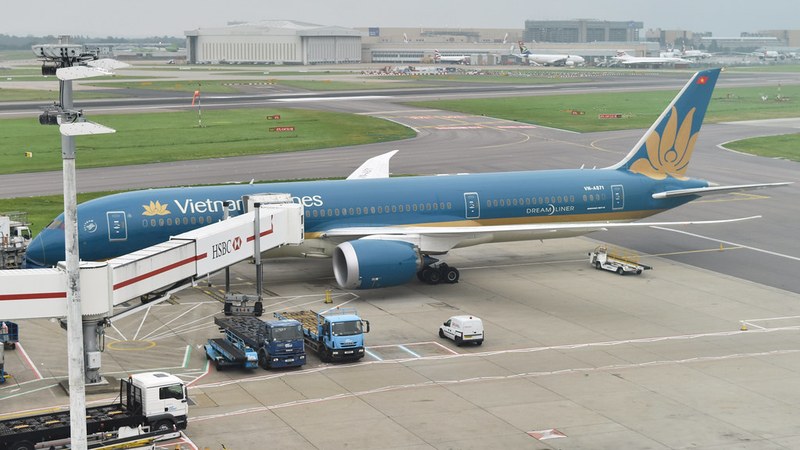
Vietnam received over 12.2 million international visitors and 81 million domestic holidaymakers in the first half of 2026, generating tourism revenue of 569 trillion VND (21.66 billion USD), according to the Vietnam National Authority of Tourism (VNAT). Despite this growth, Vietnam trails other destinations in average length of stay, visitor spending and repeat international arrivals.
Tourism data in Vietnam is extensive but fragmented across ministries, local authorities and businesses, limiting its practical use in managing destinations, monitoring capacity and improving services. This fragmentation has hindered effective governance and responsiveness to changing travel trends.
Vietnam’s ‘1+34+N’ data ecosystem model
The Ministry of Culture, Sports and Tourism
proposed a national tourism data ecosystem based on a “1+34+N” model. The model features one national platform coordinated by the ministry as the central hub, data integration from 34 provinces and cities, and connections with multiple ministries, agencies, businesses and organizations under the “N” component.
This structure aims to provide accurate, standardized, up-to-date and shared data to underpin smart tourism development across the country.
Phased plan for platform integration and data standardization
From 2026 to 2027, the initiative will focus on consolidating fragmented data from ministries, localities and businesses into a core national database. Beginning 2027, efforts will shift to completing the shared platform, implementing common data standards,
and establishing mechanisms to facilitate data sharing and utilization nationwide.
This phased approach aligns with national policies emphasizing science, technology, innovation and digital transformation in tourism.
Existing digital platforms supporting integration
Vietnam currently operates several digital platforms linked to the tourism sector, including a national tourism database, statistical reporting systems, a Tourism Management and Business platform, and a tourism operations dashboard providing real-time booking and financial data.
Additional platforms include the Vietnam Travel national tourism app, Vietnam Card tourism card, a multi-modal e-ticketing system, and multimedia audio guides. These tools contribute to a foundation for broader system interoperability.
Benefits of interoperability and shared digital platforms
Officials from VNAT and the Tourism Information
Centre emphasized that integrated digital platforms reduce investment and training costs for local authorities and businesses. Improved data connectivity eliminates fragmentation and promotes a consistent management framework, enhancing business efficiency and visitor experiences.
The government leads platform development, local authorities manage implementation, businesses utilize the data, and visitors benefit from personalized, real-time services. Interoperability is crucial to avoid wasted resources through separate disconnected systems.
Vietnam’s digital transformation in tourism is framed as a restructuring of management, operations and visitor engagement rather than simple technology adoption. The national tourism database will be the backbone of a smart tourism ecosystem enabling data-driven
governance and strategic decision-making.
This initiative also supports modernization of tourism promotion through digital tools and expansion of digital skills training at central and local levels.