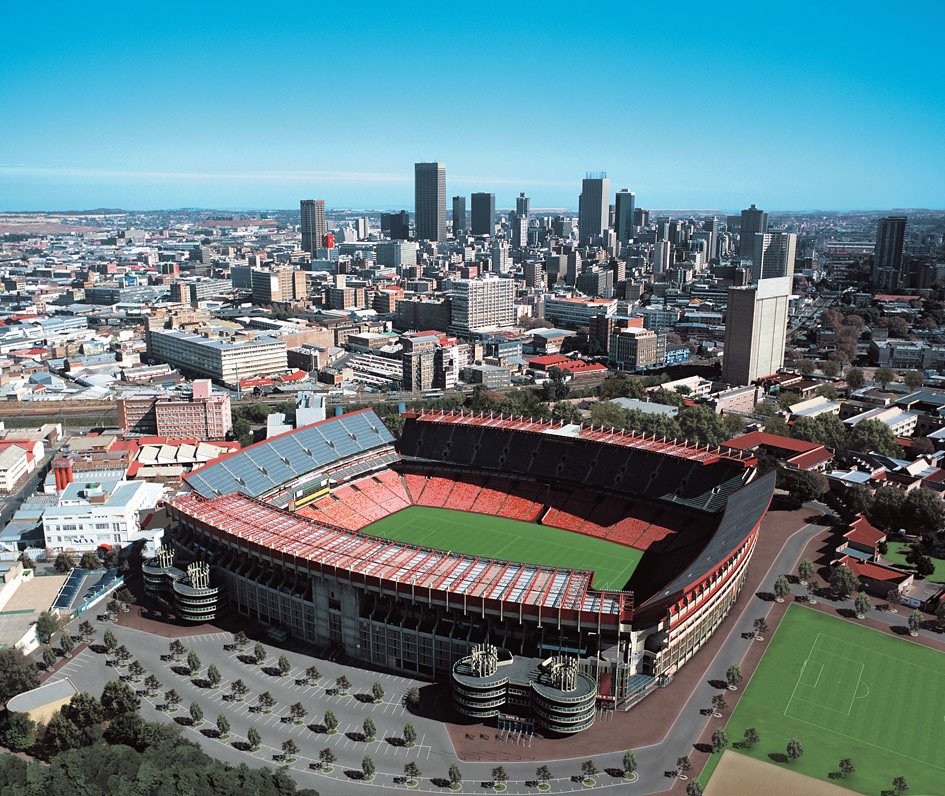
FIFA World Cup 2026: A Binational Sporting Event with Broad Reach
The upcoming FIFA World Cup 2026, jointly hosted by the United States and Canada, represents one of the most expansive international sporting events set to impact North America. As cities across both countries prepare to welcome visitors, the tournament is expected to create a significant surge in tourism and meeting industry activity. This landmark event marks the first time the tournament will be co-hosted on this scale, increasing the complexity and opportunities for travel and event professionals.
Amplified International Tourism During the World Cup Season
The World Cup draws football fans from around the globe, spurring an influx of international travelers. Both the United States and Canada have
invested in infrastructure and marketing to accommodate this expected growth in visitation. The event’s global profile will drive demand for accommodations, local transportation, and hospitality services, particularly in host cities. The competition’s timing and widespread locations across the two countries mean multiple regions will experience increased tourism simultaneously, heightening the demand for coordinated event services.
Route 66 and America250: Regional Celebrations Complementing World Cup Excitement
Alongside the FIFA World Cup, ongoing regional highlights such as Route 66 attractions and the America250 celebration are expected to bolster visitor interest in the United States. Route 66, emblematic of American cultural heritage, continues to draw domestic and international travelers keen on exploring historic
routes. These complementary tourism drivers offer additional appeal and itinerary options for visitors attending World Cup events. Businesses and event organizers along these routes anticipate leveraging this elevated exposure to enhance their offerings.
Meeting and Event Industry Opportunities Amid Increased Visitor Flow
The spike in visitor numbers presents specific implications for the U.S. meeting and event industry. Hospitality sectors, conference centers, and related service providers will need to manage heightened bookings and event requests. The intersection of global football fandom and business gatherings creates new possibilities for sport-themed conferences, corporate hospitality, and fan engagement activities. Cities hosting matches may see overlapping event schedules, requiring collaboration among stakeholders to optimize
resources and maximize economic impact.
Regional Coordination and Infrastructure Challenges
Effective coordination between local authorities, tourism boards, and event planners will be critical to address logistical and capacity challenges. Ensuring smooth transportation, lodging availability, and crowd management will influence the overall visitor experience and industry outcomes. Investments in infrastructure upgrades are underway, reflecting the strategic importance of hosting a successful World Cup for both nations.
Implications for U.S. Travelers and Event Organizers
Travelers within the United States are advised to anticipate elevated demand for flights, accommodations, and event spaces in 2026. Event organizers should consider adjusting planning strategies to accommodate the heightened market activity, including early bookings and flexible arrangements. The World
Cup season offers a unique window to engage with international visitors and capitalize on the amplified interest in sports and cultural tourism.
Overall, the combined effects of the FIFA World Cup 2026, complemented by iconic travel routes like Route 66 and milestone events such as America250, are poised to reshape tourism and business event landscapes in the United States and Canada. The convergence of these factors requires proactive management but offers considerable opportunities for growth across multiple sectors.