Understanding the Current Dengue Fever Situation in the U.S.
Health authorities across the United States have recently issued an urgent advisory following a notable surge in dengue fever cases. This mosquito-borne illness poses a renewed risk, triggering concern particularly for international travelers and those visiting vulnerable coastal communities. While dengue fever is not new to tropical and subtropical regions, the recent increase in reported cases reflects evolving health challenges that travelers need to consider.
Local health agencies and federal organizations continue to monitor developments closely, emphasizing that this surge requires heightened awareness and preventive action from the public and travel industry stakeholders alike.
Who Is Most at Risk? Focus on International Travelers and Coastal Residents
International travelers returning or arriving in
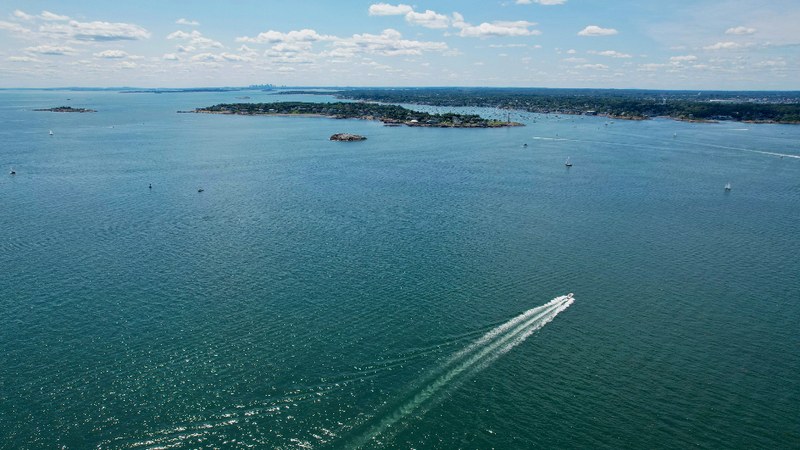
the U.S. amid this outbreak face specific exposure risks, especially in areas where dengue is active. Coastal communities, known for favorable conditions for mosquito breeding, are identified as hotspots. These locations often attract visitors for their recreational appeal, thus amplifying potential transmission avenues.
The risk is particularly relevant during warmer months when mosquito activity intensifies. Visitors and residents in these high-risk regions are advised to stay informed on the evolving health warnings and implement recommended measures.
Key Precautions for Travelers and Residents in Affected Areas
Preventative efforts remain the frontline defense against dengue fever. Travelers crossing international borders or exploring coastal U.S. destinations should consider the following guidance to
reduce exposure:
Use mosquito repellents containing DEET or alternative EPA-registered ingredients. Wear long-sleeved shirts and long pants when outdoors, especially during dawn and dusk. Stay in accommodations with intact screens or air conditioning to limit indoor mosquito exposure. Remove standing water where mosquitoes can breed, such as in plant saucers or outdoor containers.
Staying vigilant and adopting consistent mosquito bite prevention practices can significantly reduce individual risk while supporting broader public health efforts.
Monitoring Official Updates and Travel Health Advisories
With the situation evolving, it is crucial for travelers and coastal residents to consult authoritative sources regularly. Official health organizations provide updated alerts and localized risk assessments
that guide safe travel planning.
Prior to departure or within local travel spheres, checking government websites, health department announcements, and trusted news outlets ensures access to timely information. This approach assists travelers in making informed decisions regarding itinerary modifications or additional health preparations.
Practical Steps to Take Next
For those planning trips to or through affected regions, the following checklist offers a practical framework:
Review current health advisories specific to your destinations. Pack adequate mosquito protection gear and medications if recommended by health professionals. Consult healthcare providers about symptoms associated with dengue fever and when to seek medical attention. Inform travel companions or family members about preventive actions and symptom monitoring.
Being proactive and prepared enhances both individual safety and overall
resilience of communities experiencing heightened dengue transmission.
The increasing dengue fever incidence in the U.S. represents a significant public health development influencing travel dynamics. Responsible traveler behavior aligned with official health guidance contributes to reducing disease spread and protecting at-risk populations, particularly within coastal communities and those crossing international borders.