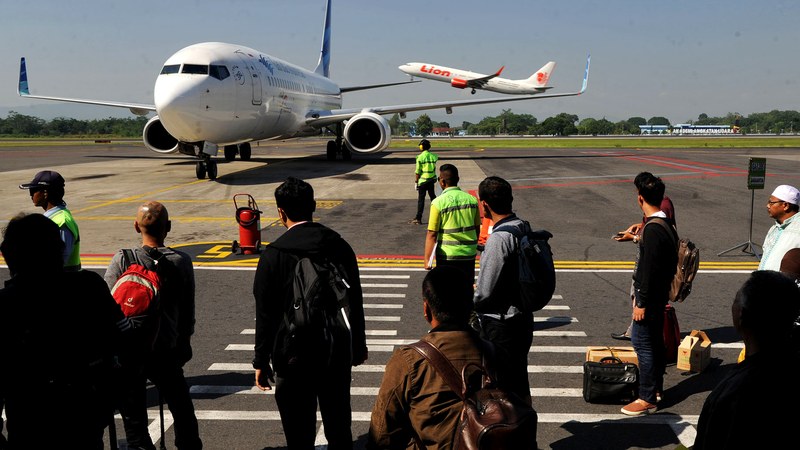
More than 1,300 flights experienced delays across US airports on November 10, 2026, with nearly 60 flights cancelled nationwide. This disruption occurred amid ongoing operational challenges affecting global air travel.
Simultaneously, the Middle East is seeing significant flight schedule suspensions and cancellations, particularly involving routes connecting the UAE, Saudi Arabia, Iran, and Israel. Regional security concerns have caused substantial interruptions to airline operations.
Flight Suspensions on UAE-Iran and UAE-Israel Routes
The UAE General Civil Aviation Authority has suspended all flights operated by Iranian airlines including Iran Airtour, Caspian Airlines, and Karun Airlines to and from the UAE indefinitely. Passengers with tickets on these carriers are required to
seek rebooking or refunds, as no services are currently operating.
Direct flights between the UAE and Israel remain under strict security and operational constraints. Flydubai’s Dubai–Tel Aviv services remain suspended at least through late November 2026. Emirates’ Dubai–Tel Aviv flights and related codeshare services continue to be suspended. However, Etihad Airways is maintaining direct flights between Abu Dhabi and Tel Aviv despite restrictions impacting Israeli carriers El Al and Arkia due to delays or suspensions tied to landing permits and security concerns.
Saudi Arabia Flight Cancellations and Altered Operations
Airline operations between the UAE and Saudi Arabia face increased cancellations, with Riyadh and Dammam most affected. Etihad
Airways has cancelled all passenger and cargo flights to Riyadh and Dammam through November 19, but resumed some Jeddah services from November 6.
Emirates cancelled flights to Dammam EK823, EK827, and EK821, as well as Riyadh flights EK815, EK819, and EK817 on November 11. Emirates’ Jeddah flight EK801 was cancelled, while EK803 and EK805 operated as scheduled. Flydubai cancelled all four scheduled flights to Dammam (FZ883, FZ869, FZ863, FZ867) for November 11, but continues services to Gassim, Ha’il, Jeddah, Medina, Tabuk, and Taif. Air Arabia cancelled flights from Sharjah to Abha (G9195) and Riyadh (G9151, G9154) but continues flying to
Dammam, Gassim, Jeddah, and Medina.
Indian airlines have suspended multiple Saudi routes: IndiGo has stopped flights to Jeddah and Medina until November 21, and Riyadh and Dammam until November 30. Air India and Air India Express suspended Riyadh and Dammam services until November 14, while Akasa Air suspended Jeddah flights until November 18 and Riyadh until November 30.
European and international carriers have extended suspensions as well. Air France halted Riyadh flights until November 14. British Airways operates one daily Riyadh flight but discontinued Jeddah services. Cathay Pacific suspended Riyadh flights until January 31, 2027. Pakistan International Airlines temporarily suspended
Riyadh routes indefinitely. Delta Air Lines postponed the launch of its Atlanta–Riyadh route until March 2027. Lufthansa suspended Riyadh flights until November 18 and Dammam until November 30. Eurowings is scheduled to resume Jeddah services on November 12. Philippine Airlines suspended Riyadh flights until November 29. Scoot cancelled Singapore–Jeddah flights until December 2. Gulf Air resumed Riyadh operations. ITA Airways cancelled Riyadh flights until November 18. KLM suspended Riyadh and Dammam flights until November 27. Kuwait Airways continues Riyadh cancellations until airport operations normalize. Singapore Airlines postponed its non-stop Singapore–Riyadh service launch until March 28, 2027.
Alternative Airport Arrangements and Travel Advisories
Saudi carriers flyadeal and
Saudia have temporarily shifted Riyadh services to Qassim Airport. Bus transfers connect passengers between Riyadh city and Qassim Airport terminals. Ground transport alternatives are available for stranded passengers within Saudi Arabia, including intercity buses and the railway network.
Several governments have issued cautious travel advisories. The US Department of State maintains a Level 3 “Reconsider Travel” advisory for the UAE due to terrorism and security risks. It alerts American travelers to possible flight cancellations, airspace closures, and travel disruptions. The UK Foreign, Commonwealth and Development Office updated its advice warning British nationals of unpredictable security and sudden flight disruptions. Canada’s
Global Affairs recommends a high degree of caution because of missile and drone threats. Australia’s Smartraveller advises reconsidering travel to the UAE citing possible missile strikes and interruptions.
The European Union Aviation Safety Agency has kept Conflict Zone Information Bulletins active for Iran, Saudi Arabia, the UAE, and the Persian Gulf until November 16, 2026, noting risks to aviation operations.
Maritime Security and Regional Impact on Aviation
Maritime incidents continue to raise concerns over regional security affecting aviation. On November 10, 2026, the Liberia-flagged VLCC MT Fujairah Energy was struck by a projectile while transiting the Arabian Gulf, injuring four crew members. India’s Ports, Shipping and Waterways
Minister Sarbananda Sonowal confirmed six Indian seafarers were aboard; one received medical examination ashore, and others were safe.
The UK Maritime Trade Operations reported a separate tanker incident in the Strait of Hormuz, with details on crew condition and damage currently unavailable. These events underline ongoing risks complicating flight routes and schedules in the Gulf airspace.
The disruptions in the US and Middle East airspaces on and around November 10 and 11, 2026, reflect a convergence of operational challenges caused by geopolitical tensions and security-related restrictions, impacting thousands of passengers across multiple global hubs.