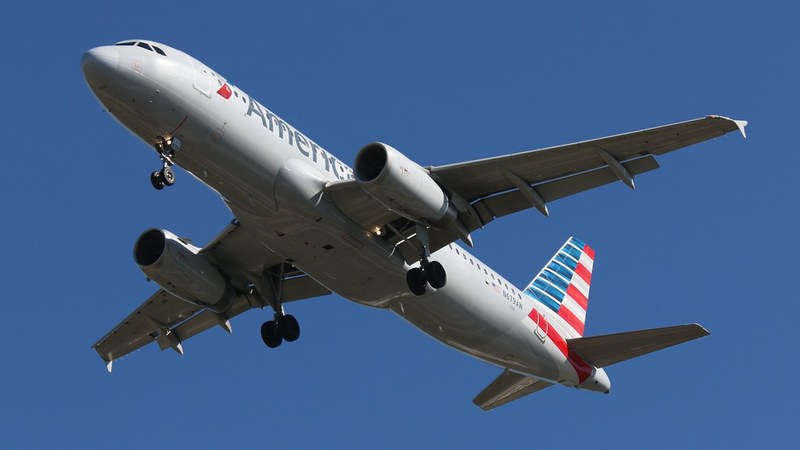
On July 18, 2026, United States air travel experienced 4,896 flight delays and 126 cancellations nationwide. Southwest Airlines recorded 866 delayed flights and 9 cancellations, the highest among carriers, followed by American Airlines with 850 delays and 11 cancellations. SkyWest reported the most cancellations at 21 alongside 434 delays, while United Airlines faced 434 delays and 4 cancellations.
Major Airports Report Highest Disruptions
Chicago O’Hare Airport led delays and cancellations with 801 delays and 17 cancellations. Hartsfield-Jackson Atlanta Airport followed with 420 delays and 16 cancellations. Orlando International Airport reported 216 delays and 5 cancellations; San Francisco International Airport had 213 delays and 7 cancellations;
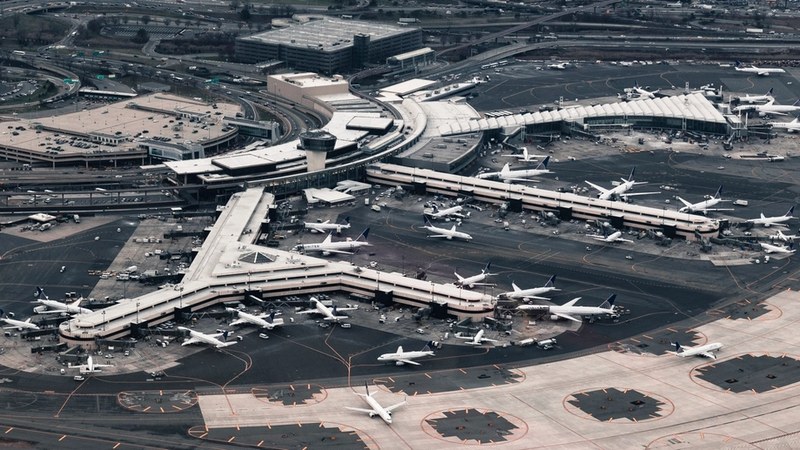
and San Diego registered 182 delays with 12 cancellations. New York-area airports experienced notable disruptions: JFK Airport recorded 115 delays and 4 cancellations; Newark Liberty Airport logged 87 delays and 4 cancellations.
FAA Staffing Shortages and Wildfire Smoke Reduce Visibility
The Federal Aviation Administration attributed widespread delays to staffing shortages among air traffic controllers. Additionally, wildfire smoke drifting from Canadian wildfires reduced visibility over the New York metropolitan area, impacting JFK, LaGuardia, and Newark Liberty airports. Lower visibility necessitated greater spacing between aircraft, slowing arrivals and departures. These conditions complicated operations and contributed to the intensity of delays nationwide.
Geographic Spread of Disruptions
Flight operations slowed at major hubs across multiple states,
including Illinois, Texas, Georgia, Florida, California, New York, and New Jersey. The smoke-affected regions in the Northeast and Mid-Atlantic saw hazardous air quality advisories issued, particularly in New York and New Jersey. The smoke impact extended to parts of the Midwest, including Chicago and Detroit, where air quality reached hazardous levels.
Airline-Specific Impact on Operations
Southwest Airlines’ large domestic network magnified the effect of the disruptions, with 866 delayed flights and 9 cancellations reported nationwide. American Airlines encountered operational difficulties mainly at Dallas-Fort Worth and Chicago O’Hare hubs. SkyWest, a regional carrier, had 434 delays and led the airlines with 21 cancellations. United Airlines
operated amid 434 delays and 4 cancellations, with flights frequently routed through Chicago O’Hare and Newark Liberty airports.
Impact on Travelers and Health Advisories
Passengers traveling through major connecting hubs such as Chicago, Dallas, Atlanta, Orlando, San Francisco, and New York faced widespread delays complicating connections. Worsening air quality due to wildfire smoke posed additional health risks for travelers and residents alike, leading authorities to issue advisories urging limited outdoor exposure.
Wildfire Smoke Raises Concerns Ahead of FIFA World Cup Final
Smoke from Canadian wildfires raised concerns in the New Jersey area ahead of the 2026 FIFA World Cup Final scheduled at MetLife Stadium. The stadium, an open-air venue expected to host around 82,500 spectators, lies
near areas affected by diminished air quality. The lingering smoke conditions could affect fans, players, and officials on game day.
Data Verification
Flight delay and cancellation figures were verified by data aggregated through FlightAware as of July 17, 2026, 3:24 pm ET. These statistics were cross-checked by an editorial team and securely archived to maintain accuracy in reporting.