On November 7, 2026, at 10 a.m. EST, the U.S. experienced widespread air travel disruptions with at least 1,331 flights delayed and 59 canceled, according to FlightAware. Globally, FlightAware tracked over 11,413 flight delays and 548 cancellations at the same time.
Major Airports Impacted by Weather Conditions
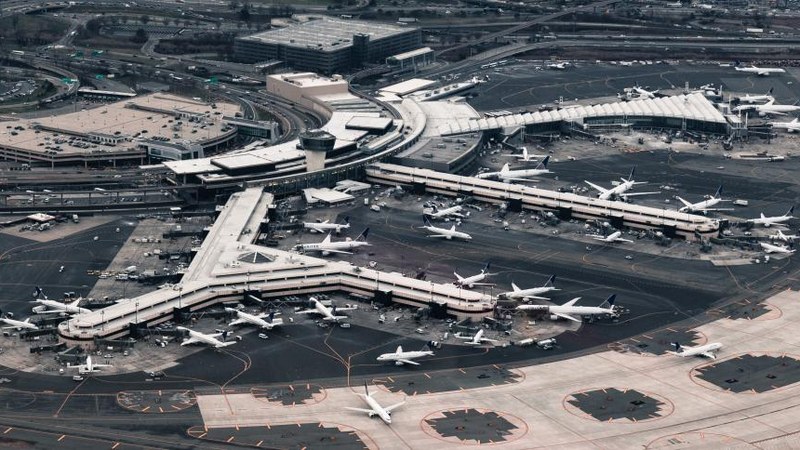
Flight delays and cancellations were reported at multiple major U.S. airports including Boston Logan International Airport (BOS); New York’s John F. Kennedy (JFK), LaGuardia (LGA), and Newark Liberty (EWR) airports; Philadelphia International Airport (PHL); Washington, D.C. area airports—Reagan National (DCA), Baltimore/Washington International (BWI), and Dulles International (IAD); and Charlotte Douglas International Airport (CLT). The Federal Aviation Administration attributed these
disruptions primarily to thunderstorms and low cloud cover in the Northeast and low clouds in Charlotte.
Travel Expert Advice for Managing Disruptions
To mitigate the impact of delays and cancellations, travelers are advised to monitor their flight status frequently through airline websites or mobile apps and activate notifications for real-time updates. Allowing additional time for connections, especially through busy airports, is recommended. Passengers should also pack essential items in carry-ons for potential extended waits and review airline refund and rebooking policies prior to travel.
Traveler Mindset and Strategy Tips
Eryn Gordon, TedX speaker on ethical and responsible travel and founder of Earth to Editorial, emphasized treating cancellations as planning challenges rather
than emergencies. She advises travelers to screenshot their airline’s rebooking policy before departure to understand options. Gordon warns against accepting the first alternate seat offered without consideration, as fast rebooking can result in overnight layovers with luggage on separate flights.
Flight Tracking and FAA Role
FlightAware provides real-time statistics on flight delays and cancellations worldwide. The FAA issues advisories pinpointing weather conditions as the cause of operational disruptions at affected airports. The combination of thunderstorms and low clouds has notably affected the U.S. air travel network today, underscoring ongoing challenges for flight scheduling and passenger movement.