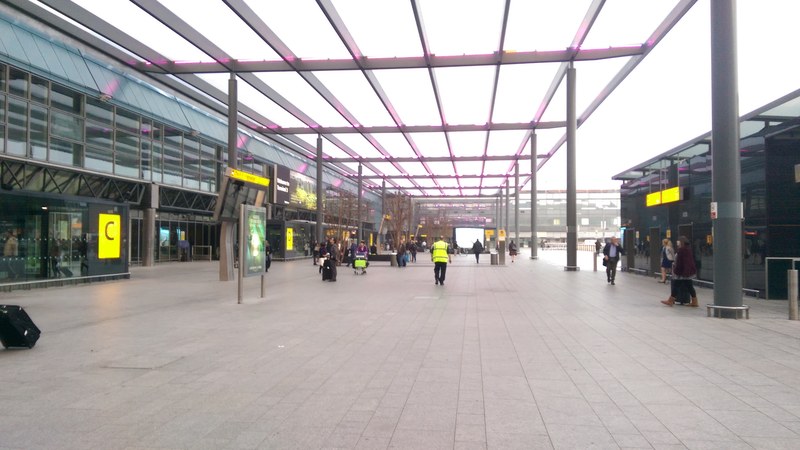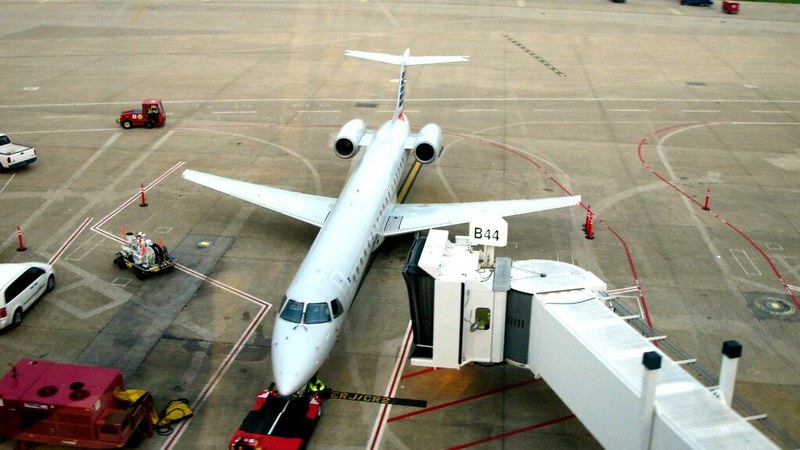
On November 13 and 14, 2026, a nationwide ground stop issued by the U.S. Federal Aviation Administration (FAA) halted all flights departing from the U.S. for about five hours. The stoppage disrupted operations at major Canadian airports including Toronto Pearson International Airport, Calgary International Airport (YYC), Montreal Trudeau International Airport, Ottawa, and Vancouver, resulting in numerous cancellations and delays on U.S.-bound flights.
Flight Cancellations at Canadian Airports
Air Canada canceled approximately 250 flights on November 13, 2026, which affected around 27,000 passengers, according to spokesperson Yasmine Mehdi. Toronto Pearson International Airport alone canceled 143 U.S.-bound flights on November 13 and an additional 63 cancellations occurred
on November 14. Over 100 flight cancellations persisted on November 14 amid efforts to restore normal service. Canadian airports in Montreal, Ottawa, and Vancouver also recorded numerous cancellations aligned with the U.S. disruption.
Passenger Impact and Delays
Passengers faced extended delays and cancellations at Canadian airports, including Calgary’s YYC, where outbound flights to the United States remained canceled on November 14. Many travelers were stranded inside terminals or on parked planes. John Jacques, a Toronto resident, reported spending 16 hours aboard a delayed flight from Brisbane to Dallas on November 13 before making a connecting flight to Toronto. At Calgary, passenger Naji Zuain experienced
a rescheduled flight delayed until 9 a.m. on November 14, which caused him to cover overnight accommodation costs personally. Long-haul truck driver Maggie Sepulveda was stranded at Toronto Pearson with multiple last-minute flight changes and spent over $250 on hotel and food expenses due to the disruption.
Responses from Airlines and FAA
Air Canada responded by adding extra flights to assist travelers affected by the cancellations. Additionally, airlines including WestJet and Porter allowed passengers to change flights without fees. Air Canada spokesperson Yasmine Mehdi said, “This was a significant disruption, and its effects have carried over into today, with additional cancellations as aircraft and crews
are out of position across our network.” FAA Administrator Bryan Bedford stated that U.S. air travel schedules were expected to return to normal by the end of Sunday, November 15, 2026.
Cause of the Nationwide Ground Stop
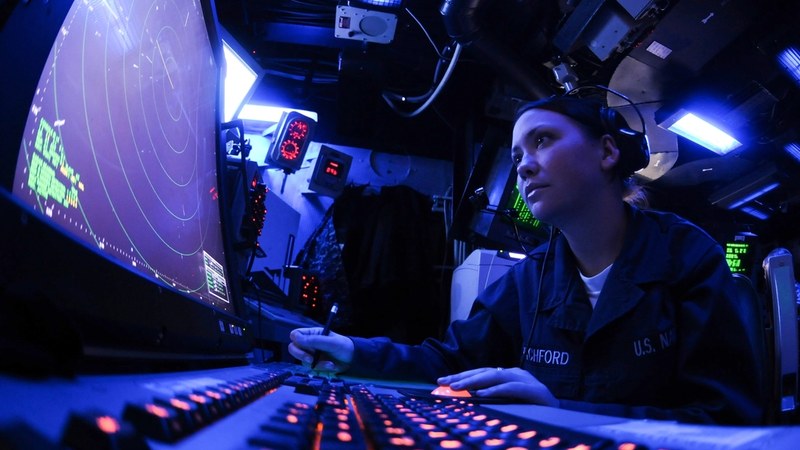
The FAA ground stop was triggered by a malfunction involving FAA contractor L3Harris’s installation of a new router at a remote facility. The router replacement caused a system-wide “flooding” of other routers in the U.S. air traffic control network, disrupting communications and radar feeds. This event marked the longest nationwide flight shutdown in the U.S. since the September 11, 2001 attacks.
Ongoing Efforts to Recover
Despite the FAA lifting the nationwide ground stop
around 8:30 p.m. EST on November 13, Canadian airports continued to experience flight cancellations and delays on November 14 as airlines attempted to reposition aircraft and crews. Passengers remained affected by missed connections and prolonged wait times. Airlines worked to restore schedules while allowing flexible rebooking options to manage the disruption’s ripple effects.